Creating a calm and welcoming mealtime environment is essential for encouraging toddlers to explore new foods and develop practical eating habits. While many parents focus primarily on the nutritional content of meals, the mealtime setting itself deeply influences toddlers’ willingness to eat and their overall food experiences.
Why a Peaceful Mealtime Atmosphere Matters for Toddlers
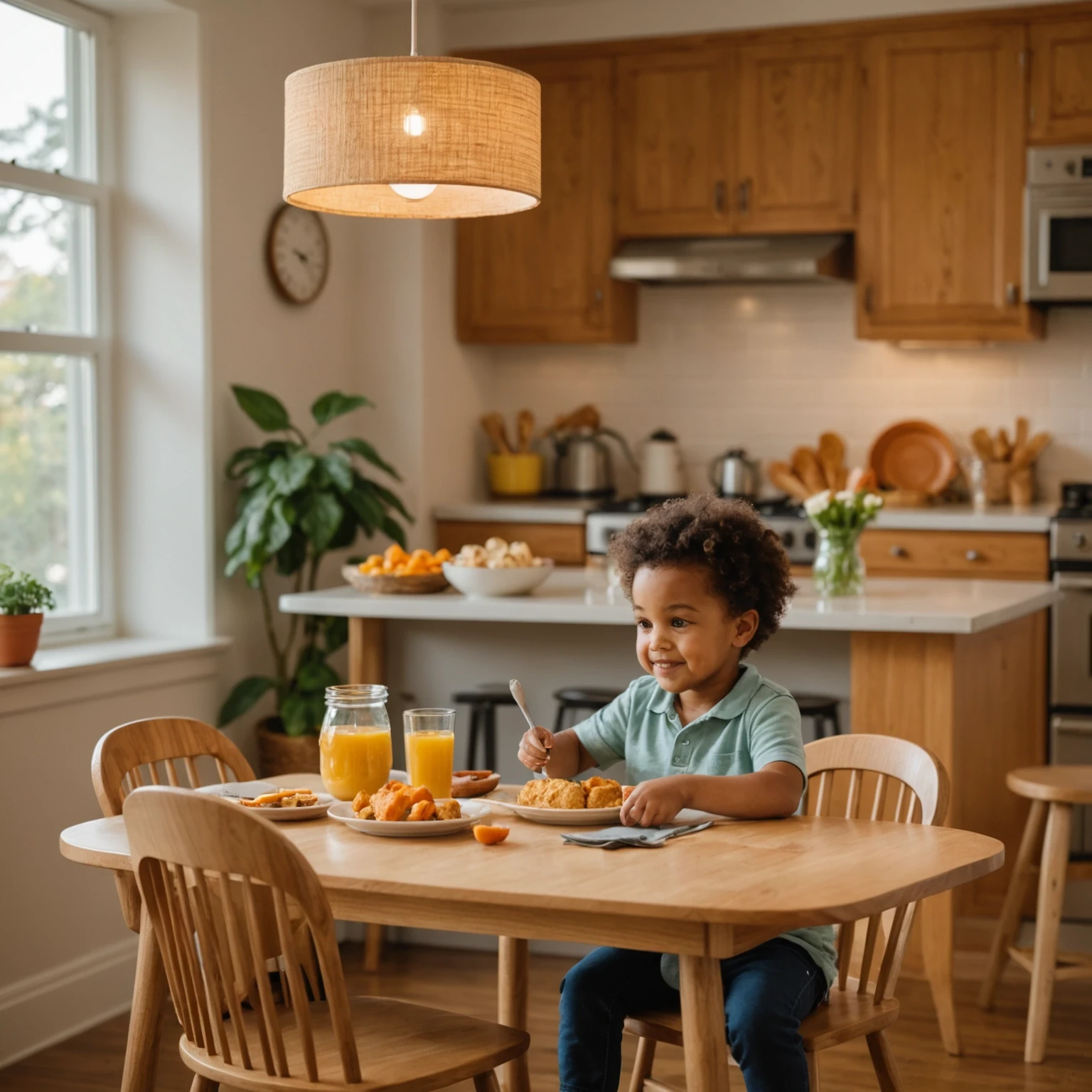
Toddlers are highly perceptive of their surroundings. A noisy, hectic mealtime can lead to increased food resistance and reinforce picky eating behaviors. Conversely, a calm environment helps toddlers focus on eating, promotes positive social interaction, and reduces mealtime anxiety. Such a setting invites toddlers to sit comfortably, explore diverse food textures safely, and try new flavors with confidence.
Key Elements of a Toddler-Friendly Mealtime Setting
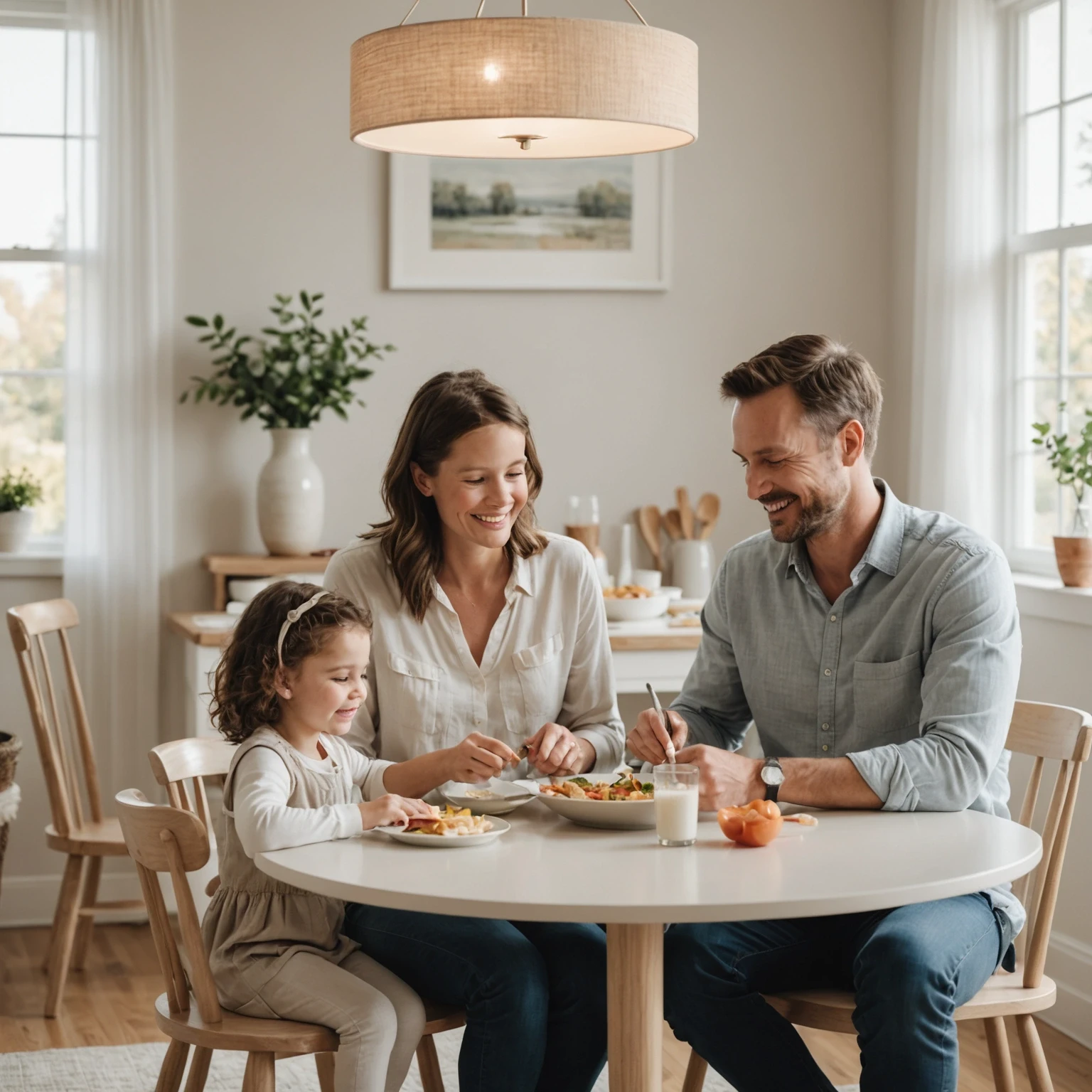
- Soft, Warm Lighting: Harsh overhead lighting can overwhelm toddlers. Choosing gentle natural or warm light encourages relaxation and mindful eating.
- Proper Seating and Routine Placement: Toddler-appropriate chairs that offer good support combined with a consistent seating routine help children feel secure and part of the family meal dynamic.
- Minimized Distractions: Removing screens, toys, and loud background noise keeps the toddler’s attention on eating and family connection.
- Calm and Encouraging Parental Presence: Parents modeling a relaxed and positive attitude toward eating reassures toddlers and fosters an enjoyable mealtime mood.
Establishing Predictable Mealtime Routines
Consistent meal and snack schedules train toddlers to recognize their own hunger and fullness cues, reducing mealtime fussiness. Inviting toddlers to engage in simple mealtime tasks—like setting the table or choosing from practical options—builds autonomy and increases enthusiasm about mealtime participation.
Supporting Calmness with Toddler-Appropriate Foods
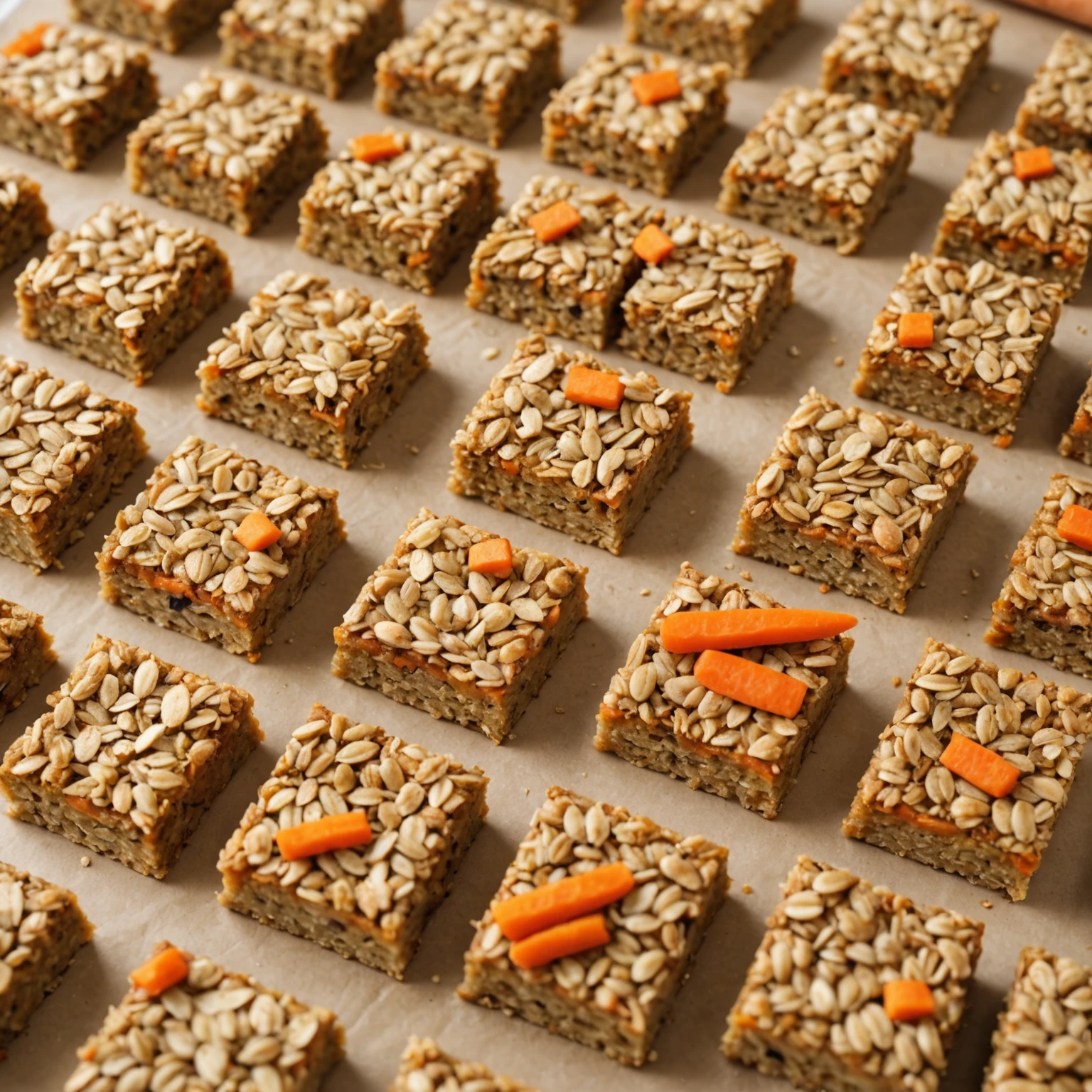
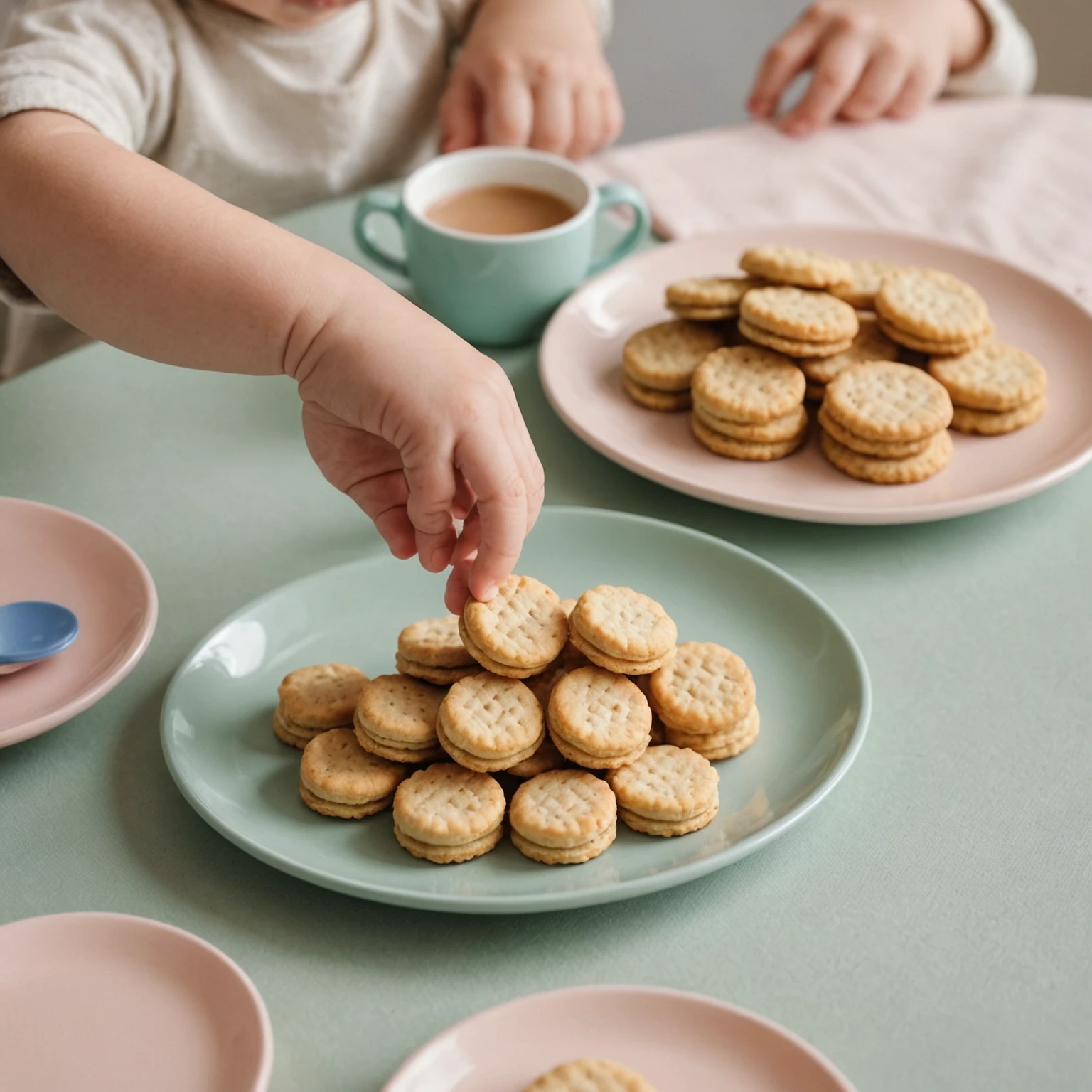
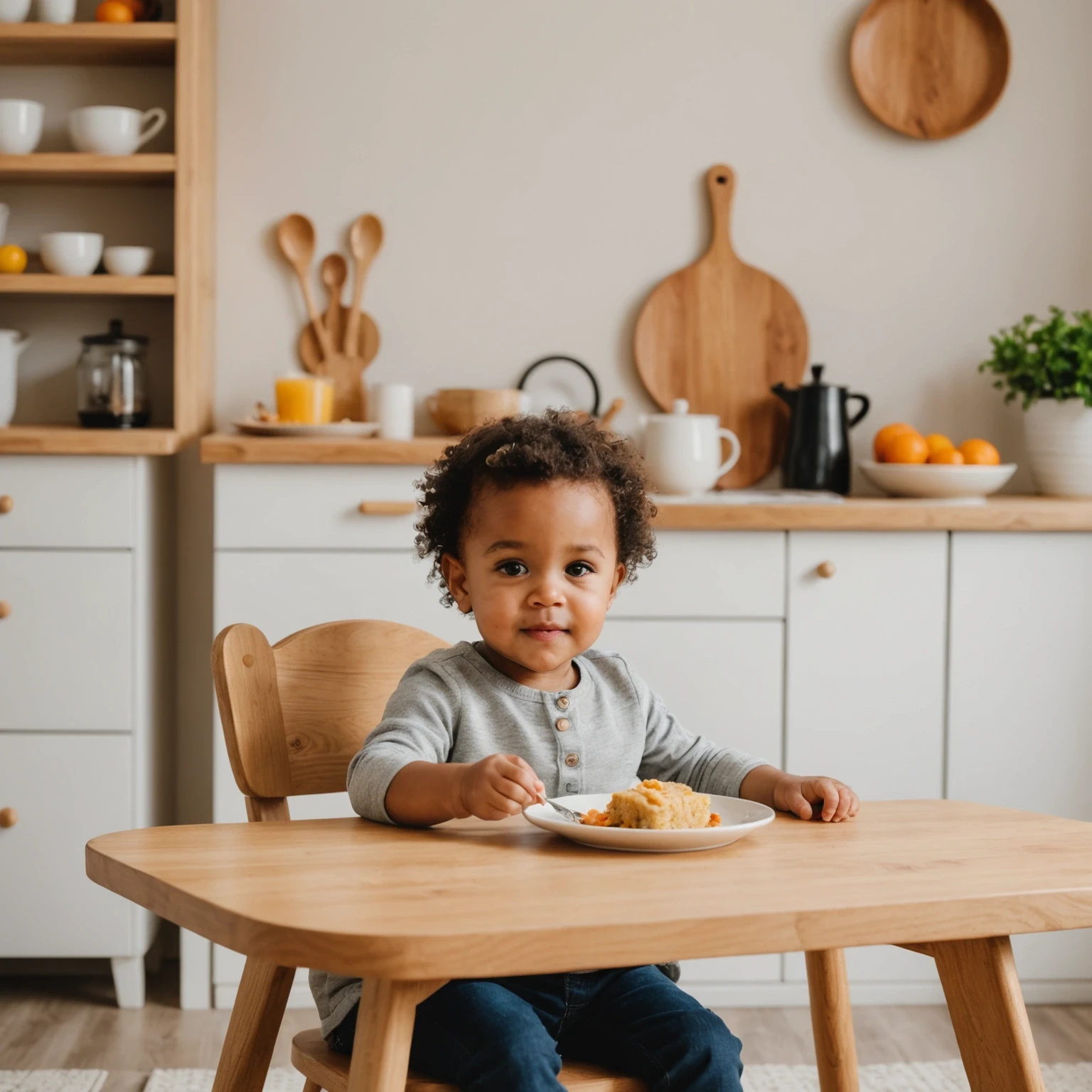
Providing soft, finger-friendly foods supports toddlers’ fine motor skill development and sensory preferences, aligning well with a serene mealtime atmosphere. For example, the Savory Sweet Potato and Pea Toddler Biscuits deliver gentle textures and practical ideal for self-feeding. Similarly, the Mini Lentil and Sweet Potato Savoury Loaf offers a delicious, manageable option to keep mealtimes peaceful and enjoyable.
Practical Tips for Enhancing Mealtime Calmness
- Maintain warm, supportive conversation without pressuring the child.
- Use soft or neutral colors in the dining space to create a soothing visual backdrop.
- Allow sufficient time for eating to avoid rushing toddlers.
- Consider playing soft background music to sustain a relaxed atmosphere.
- Pay close attention to toddlers’ signals of fullness or sensory overload and respond gently.
Building Lasting Positive Relationships with Food
The goal of cultivating a calm mealtime environment extends beyond simply increasing food intake; it nurtures a lifelong positive relationship with eating. When mealtimes become joyful, exploratory family events instead of stressful chores, toddlers develop curiosity and open attitudes toward food, reducing picky eating tendencies. This supportive foundation promotes practical nutrition and feeding confidence as toddlers grow.
By intentionally designing a calm mealtime atmosphere paired with practical, toddler-friendly foods, parents can transform mealtime into a pleasurable family routine. This approach encourages self-feeding independence, fosters positive eating behaviors, and helps families successfully navigate everyday feeding challenges.