Why Nutrient Timing Matters for Toddlers
Nutrient timing plays a crucial role in maintaining your toddler’s consistent energy levels, mood regulation, and effective digestion. Toddlers have smaller stomach capacities and faster metabolisms compared to adults, so carefully scheduling meals and snacks helps support sustained growth and active play.

Effects of Meal and Snack Timing on Toddler Well-Being
When meal and snack times are irregular or unpredictable, toddlers may experience blood sugar fluctuations that cause fussiness, low energy, or difficulty concentrating. On the other hand, offering oversized or closely timed meals can overwhelm their digestive system and reduce appetite for subsequent feedings. Balanced spacing of nutrient-rich feedings promotes steady energy and positive moods.
Recommended Meal and Snack Schedule for Toddlers
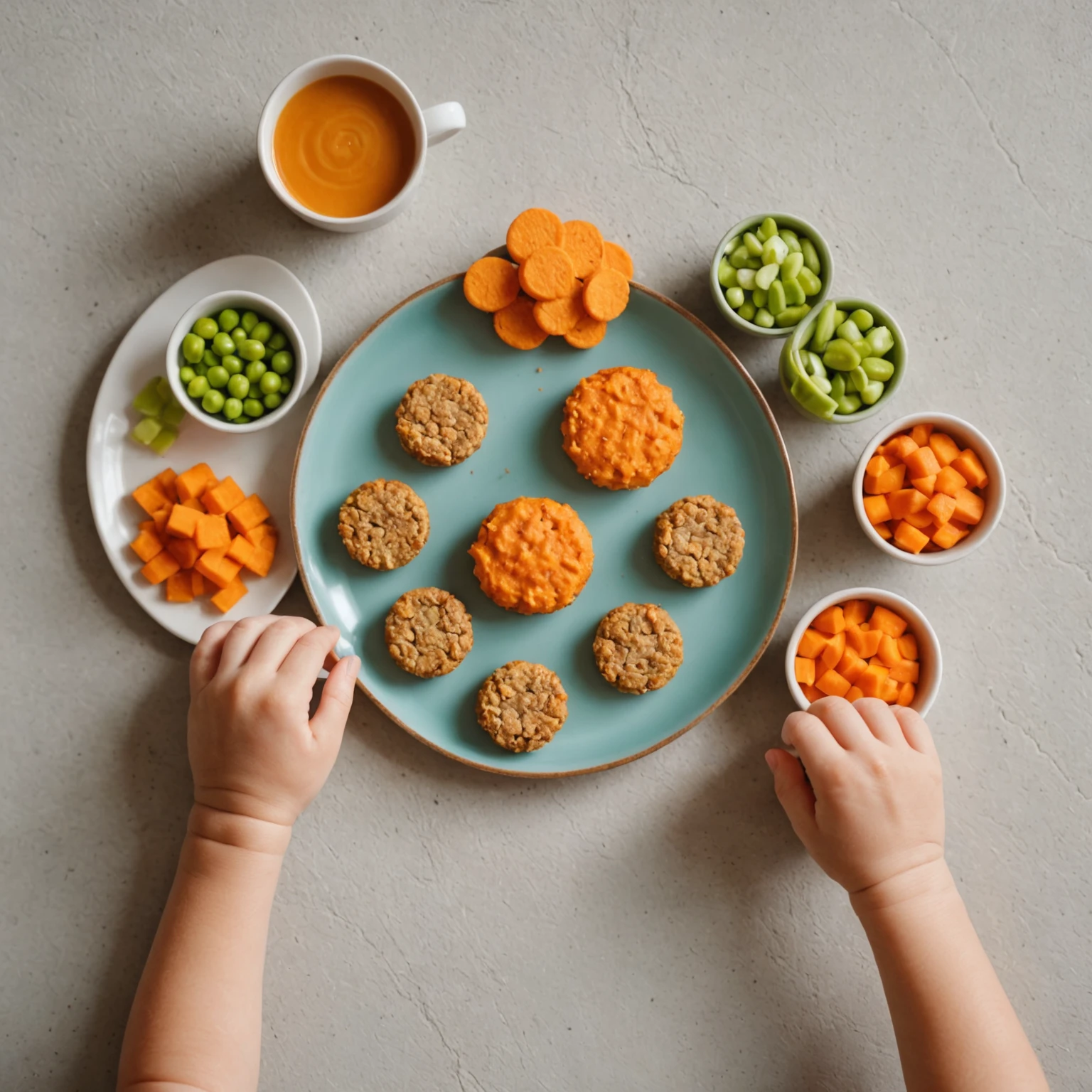
Aim to serve three balanced meals approximately 3 to 4 hours apart, with 1 to 2 practical snacks between them. A sample daily routine might include breakfast, a mid-morning snack, lunch, an afternoon snack, and dinner. This pattern supports steady energy levels and adequate nutrient intake while preventing excessive hunger or fullness.
Understanding and Responding to Your Toddler’s Hunger and Fullness Cues

In addition to maintaining a feeding schedule, it’s essential to observe your toddler’s natural hunger and fullness signals. Indicators of hunger can include restlessness, reaching for food, or vocal expressions of appetite, while fullness may be shown by turning away from food, closing the mouth, or losing interest in eating. Honoring these cues encourages practical self-regulation and avoids overfeeding.
Combining Nutrient Timing with Balanced, Toddler-Friendly Foods
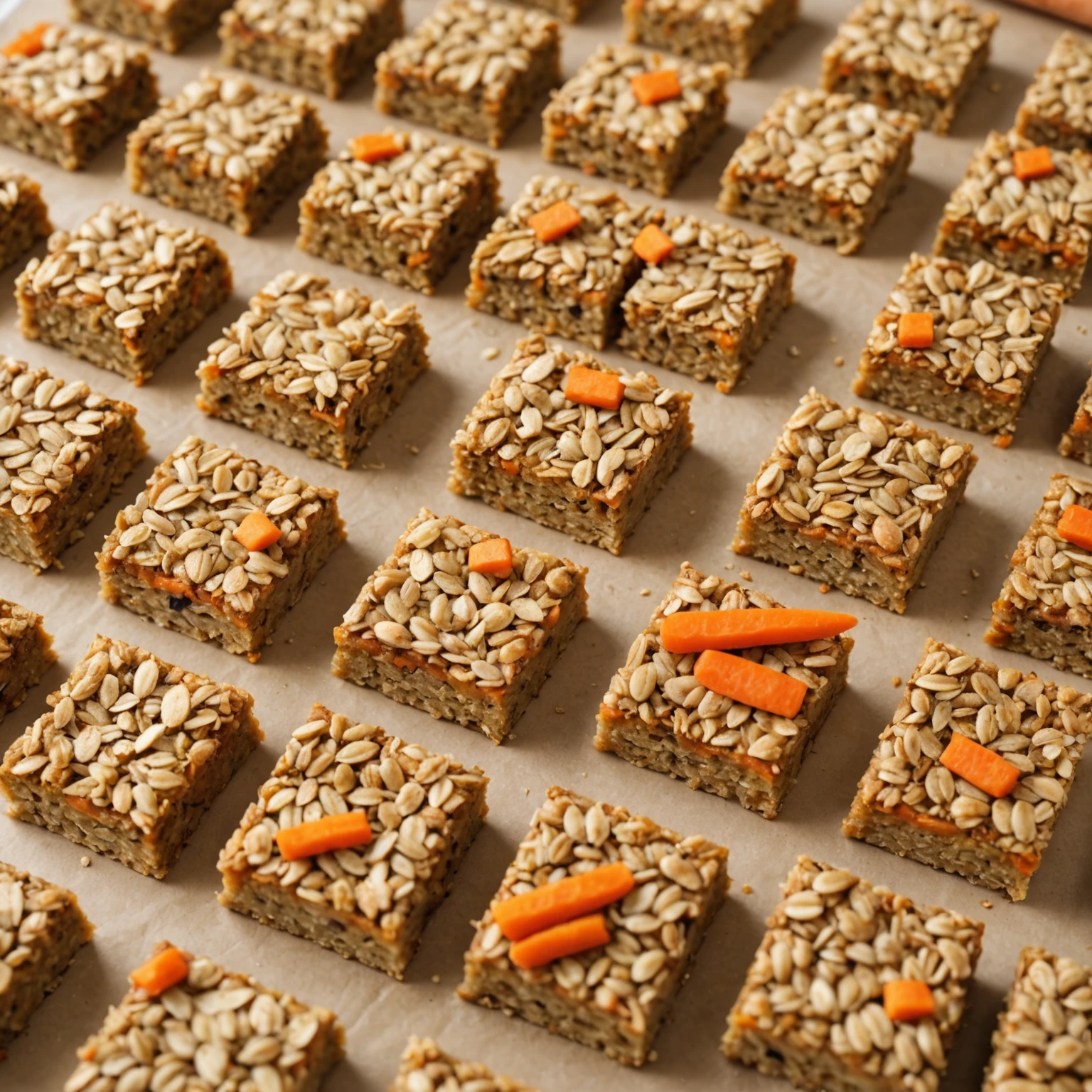
Ensure that meals and snacks include a variety of protein, complex carbohydrates, and fats to provide sustained energy and support nutrient absorption. Balanced snacks like Mini Carrot and Apple Oat Bars and Savory Sweet Potato and Pea Toddler Biscuits offer essential nutrients and textures suitable for toddlers, complementing a structured feeding routine.
Practical Tips for Implementing Nutrient Timing in Busy Families
- Prepare in Advance: Make toddler-friendly snack options ahead of time for convenience during busy days.
- Visual Tools: Use meal charts or timers to help establish predictable eating patterns.
- Flexible Approach: Adapt to your toddler’s daily appetite changes while keeping routine consistency.
- Hydration Is Key: Offer water consistently between feedings to maintain hydration and prevent confusion of thirst with hunger.
Conclusion: Supporting Toddler Growth Through Thoughtful Nutrient Timing
Structured meal and snack timing paired with practical helps toddlers sustain energy, foster positive moods, and develop practical eating habits. By attentively responding to hunger and fullness cues and maintaining flexible yet consistent feeding schedules, parents can nurture their child’s nutritional health and independence.
For more ideas on practical toddler snacks that fit into balanced feeding schedules, explore Mini Carrot and Apple Oat Bars and Savory Sweet Potato and Pea Toddler Biscuits.