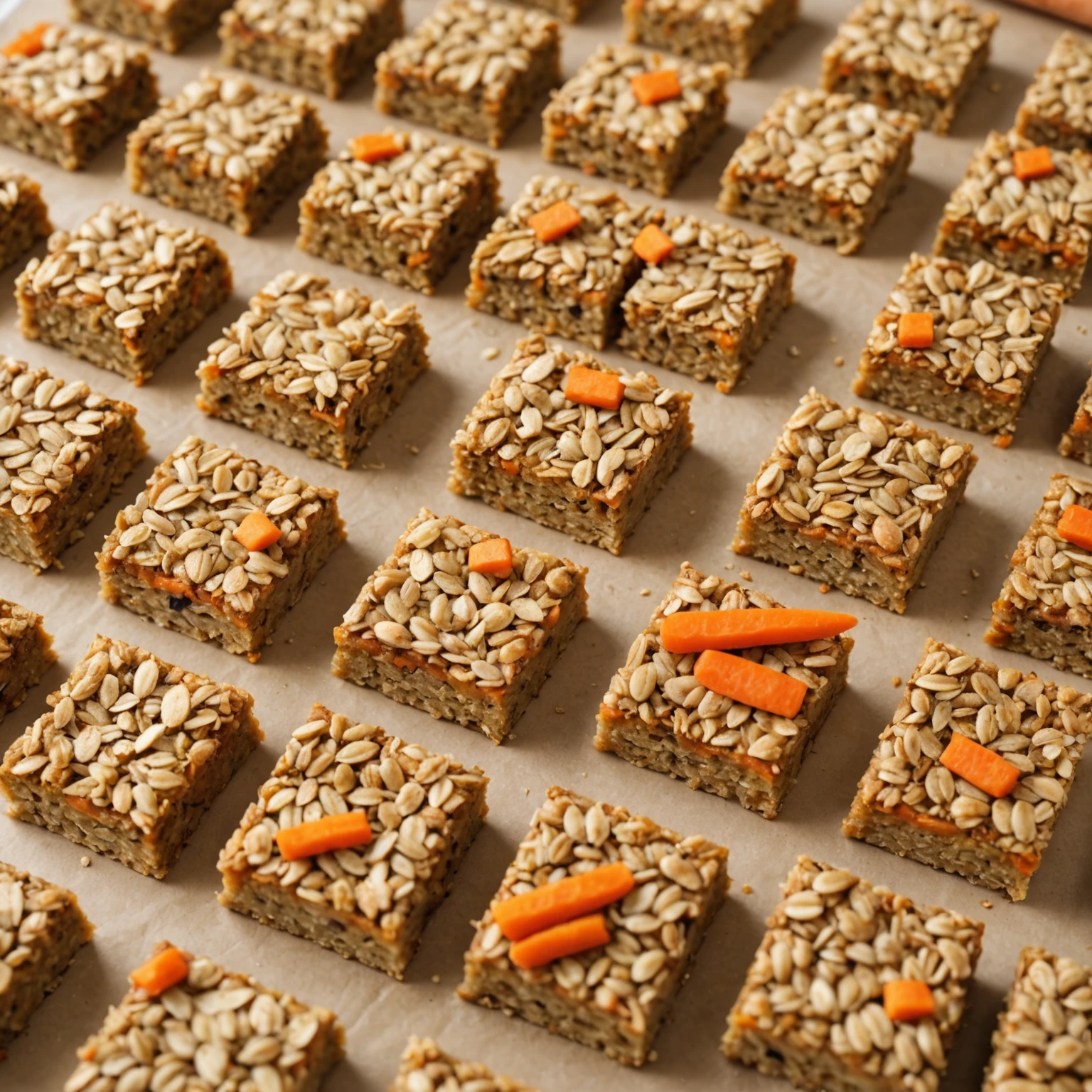
Introducing new vegetables to toddlers who are cautious or resistant can be a common and sometimes challenging experience for parents. With patience and effective techniques, expanding your child’s vegetable intake can become a positive and stress-free journey.
Understanding Why Toddlers Are Picky About Vegetables

Toddlers are naturally developing food preferences as they explore various tastes and textures. Vegetables often have bitter or less sweet flavors, making them less appealing to young children’s palates. Research suggests that toddlers may require 10 to 15 gentle exposures to a new vegetable before developing acceptance.
Start Slowly: The Importance of Gradual Vegetable Introduction
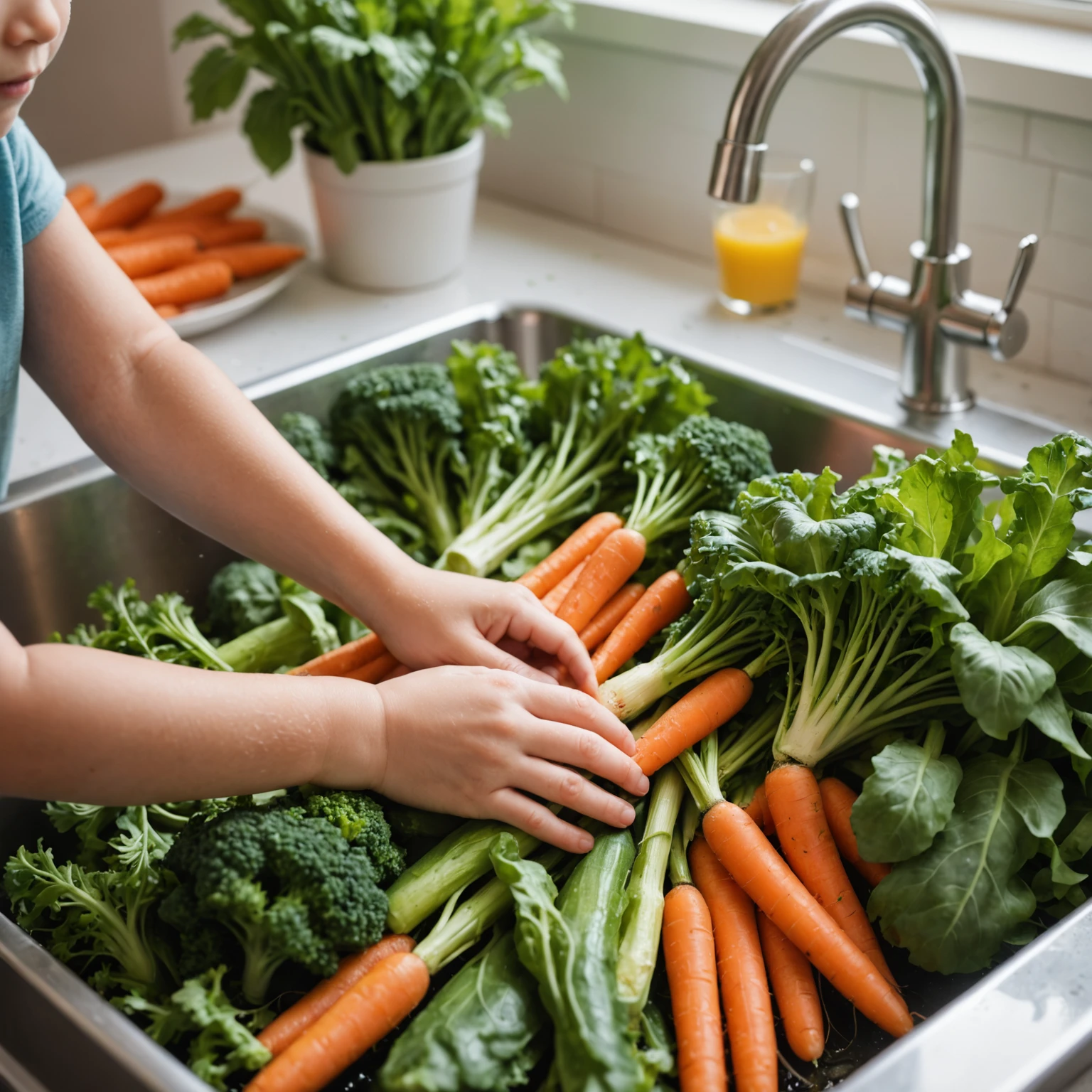
Begin by incorporating small amounts of new vegetables into dishes your toddler already enjoys. For example, finely grated carrots or zucchini blended into familiar meals introduce new flavors subtly without overwhelming your child. Offering these vegetables regularly without pressuring your toddler helps normalize their presence at mealtime.
Enhance Acceptance by Pairing New Vegetables With Familiar Flavors
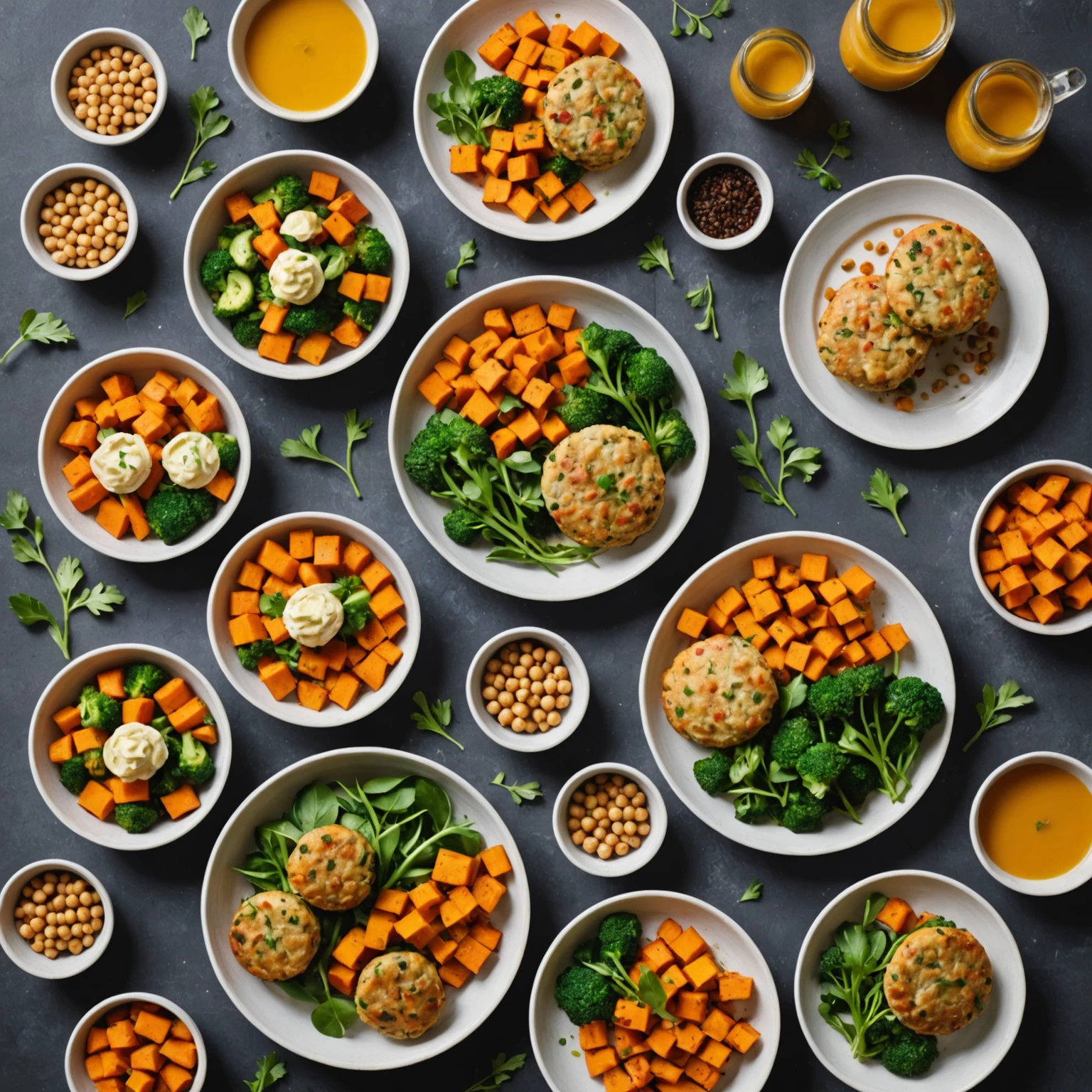
Pairing new vegetables with flavors your toddler already enjoys can improve acceptance. Mild herbs, gentle spices, or naturally sweet vegetables like sweet potatoes and peas balance flavors effectively. Recipes such as Hidden Veggie Sweet Potato and Chickpea Mini Scones and Vegetable and Chickpea Patties with Hidden Spinach showcase this technique by blending practical vegetables into practical textures.
Use Fun and Inviting Presentations to Encourage Vegetable Eating
Make vegetables appealing by using colorful and playful presentations. Cookie cutters to create engaging shapes, arranging veggies into smiley faces or bright patterns, and offering small finger foods encourage toddlers to explore self-feeding. This approach minimizes mealtime struggles and makes tasting new vegetables an enjoyable experience.
Experiment With Different Textures and Temperatures
Trying various cooking methods can reveal vegetable textures your toddler prefers. Steamed, roasted, or pureed vegetables each provide unique mouthfeels for exploration. Serving vegetables warm or at room temperature rather than cold can also increase willingness to try them.
Involve Your Toddler in Food Preparation Activities
Toddlers are often more interested in eating foods they help prepare. Age-appropriate tasks like washing vegetables, stirring mixtures, or arranging plates foster excitement and build familiarity that encourages trying new vegetables.
Cultivate a Positive and Pressure-Free Mealtime Environment
Approach mealtimes with patience and enthusiasm without forcing your toddler to eat. Encouraging tasting and celebrating small successes builds positive associations with vegetables. Modeling practical eating by enjoying vegetables yourself helps reinforce these habits in your child.
Introducing new vegetables to picky toddlers doesn’t need to cause stress. By combining patience with creative strategies—such as gradual exposure, flavor pairing, playful presentation, and positive reinforcement—parents can nurture practical eating patterns. Complementing these approaches with gentle, tasty recipes like Hidden Veggie Sweet Potato and Chickpea Mini Scones and Vegetable and Chickpea Patties with Hidden Spinach supports your toddler’s growth toward a balanced, practical diet.