Introduction
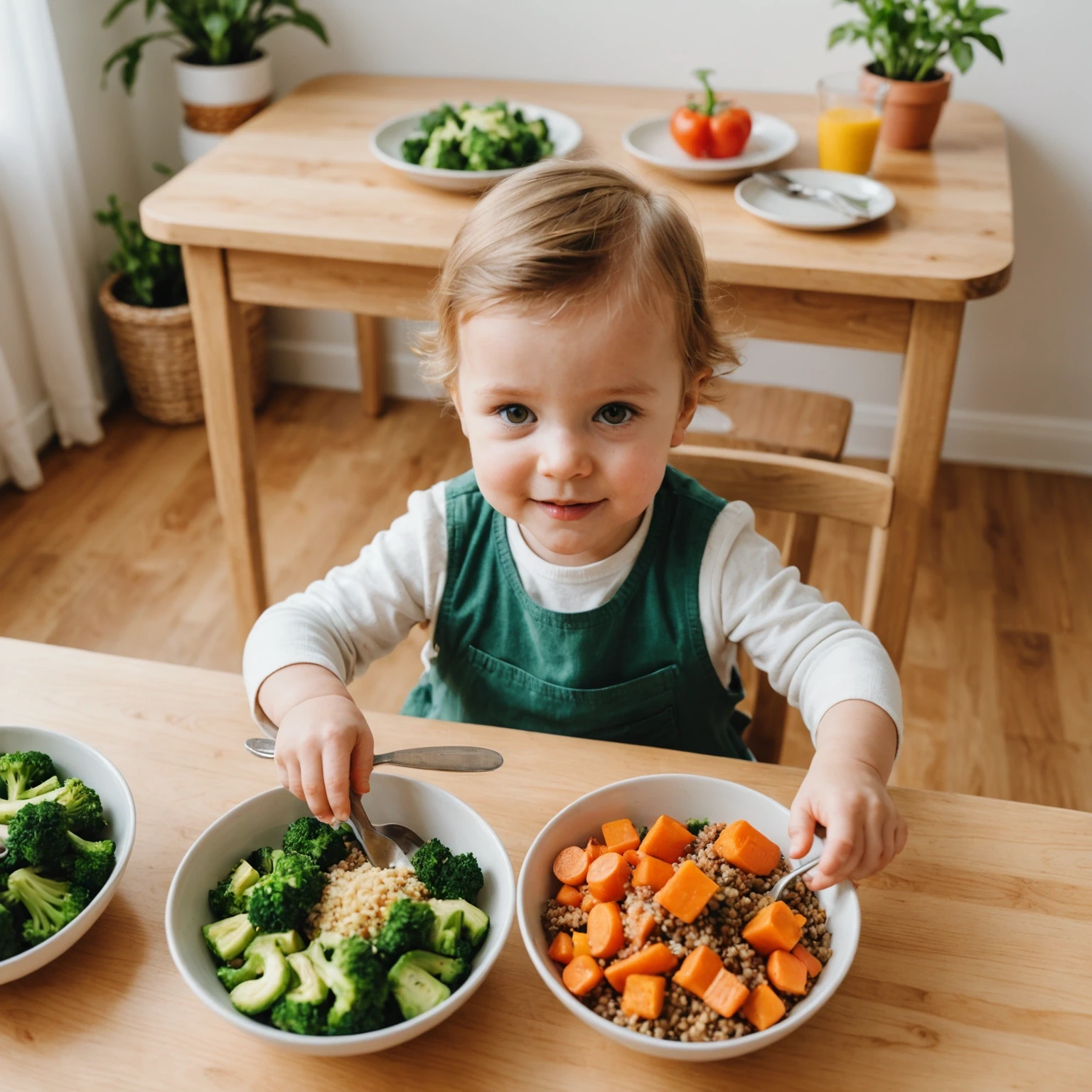
Planning meals for toddlers with nut allergies while embracing practical plant-based eating can feel challenging. However, parents can confidently create safe, wholesome, and delicious meals by combining practical legumes, whole grains, and seasonal vegetables. This guide provides practical strategies to craft allergy-conscious, balanced plant-powered meals that promote toddler growth, development, and positive eating habits.

---.
Key Components of Balanced Plant-Powered Toddler Meals

Diverse Plant Protein Sources
Legumes such as lentils, chickpeas, black beans, and peas are excellent protein and practical options, free from nut allergens. These affordable and versatile ingredients form the foundation of nutrient-dense toddler meals. For example, try the practical Quinoa and Lentil Stew with Seasonal Vegetables to combine plant proteins with vegetables and whole grains for practical and flavor.
Whole Grains for Sustained Energy and Fiber

Incorporate whole grains like quinoa, millet, amaranth, and barley to provide essential fiber, B vitamins, and sustained energy crucial for active toddlers. Creative recipes such as practical Quinoa and Zucchini Mini Cupcakes with Mild Herbes de Provence offer toddler-friendly textures and flavors.
Seasonal Vegetables for Vitamins and Flavor Variety
Including seasonal vegetables ensures a broad range of vitamins, minerals, and antioxidants. Their vibrant colors and mild flavors, paired with gentle herbs and spices, encourage toddlers to explore new tastes. Consider the comforting Cheesy Cauliflower and Broccoli Toddler Bake as a creamy, allergy-safe way to introduce veggies.
Allergy-Conscious Meal Planning Tips
Safe practical Ingredient Substitutions
Replace nut butters with seed butters (if no seed allergy), legumes, or practical cheeses to preserve creamy textures without allergy risks. Always verify ingredients to prevent nut cross-contact and choose practical grains and seasonings.
Focus on Toddler-Friendly Textures
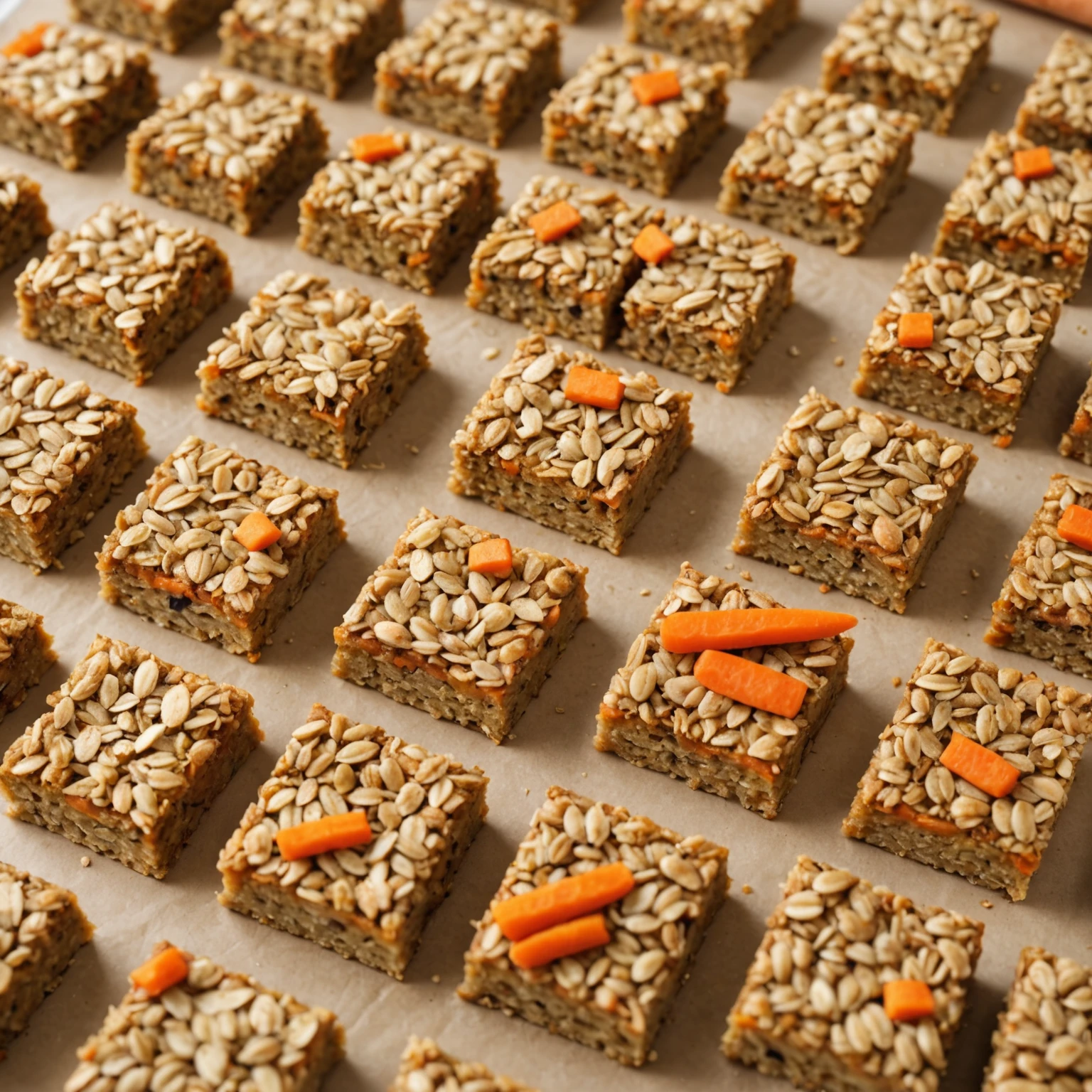
Soft, moist foods help reduce gag reflex and support emerging chewing abilities—important when introducing new plant-based options. Recipes like Tender Carrot and Pear Toddler Cobbler with Oat Topping offer naturally sweet, easy-to-eat choices that promote independent self-feeding.
Enhance Iron and Protein Absorption
Iron is critical in toddler nutrition. Pair practical legumes with vitamin C-rich fruits or vegetables to boost absorption. The Festive Quinoa and Roasted Root Vegetable Salad with Citrus Dressing exemplifies this nutrition-smart pairing.
Practical Meal Strategies for Busy Families
Batch Cooking and Freezing
Prepare meals in advance, like the practical Quinoa and Lentil Stew, and freeze portions to save time without compromising nutrition—ideal for managing busy schedules.
Balance Familiar Favorites with Variety
Rotate different grain and pulse combinations to keep meals interesting and nutritionally diverse, while maintaining toddler approval with known favorites.
Engage Toddlers in Meal Choices
Encourage toddlers’ food exploration and mealtime cooperation by offering small portions and finger-friendly foods.
---.
Conclusion
Creating balanced, practical, plant-powered meals for toddlers with allergy sensitivities is achievable with mindful ingredient selection and preparation. Emphasizing legumes, whole grains, and seasonal vegetables in toddler-friendly textures promotes practical growth and nurtures positive eating experiences. Incorporate recipes such as Cheesy Cauliflower and Broccoli Toddler Bake, practical Quinoa and Zucchini Mini Cupcakes with Mild Herbes de Provence, Tender Carrot and Pear Toddler Cobbler with Oat Topping, and practical Quinoa and Lentil Stew with Seasonal Vegetables to broaden your toddler’s practical meal options. These allergy-conscious, plant-based meal strategies support your child’s health and foster a lifelong enjoyment of wholesome, delicious foods.