Understanding Food Allergies in Toddlers
Food allergies often appear during toddlerhood as children try new foods. Recognizing early signs of allergic reactions—such as hives, swelling, vomiting, or breathing difficulties—is vital for prompt care. Consulting a pediatrician or allergist helps confirm diagnoses and establish safe eating habits that protect your toddler’s health.

Identifying the Most Common Toddler Allergens
The most frequent allergens include dairy, nuts, eggs, soy, wheat, fish, and shellfish. Among toddlers, dairy and nuts are especially common triggers. Being aware of hidden sources of allergens in both prepared foods and packaged products is crucial to prevent accidental exposure.
Maintaining practical with Allergy-Safe Substitutions
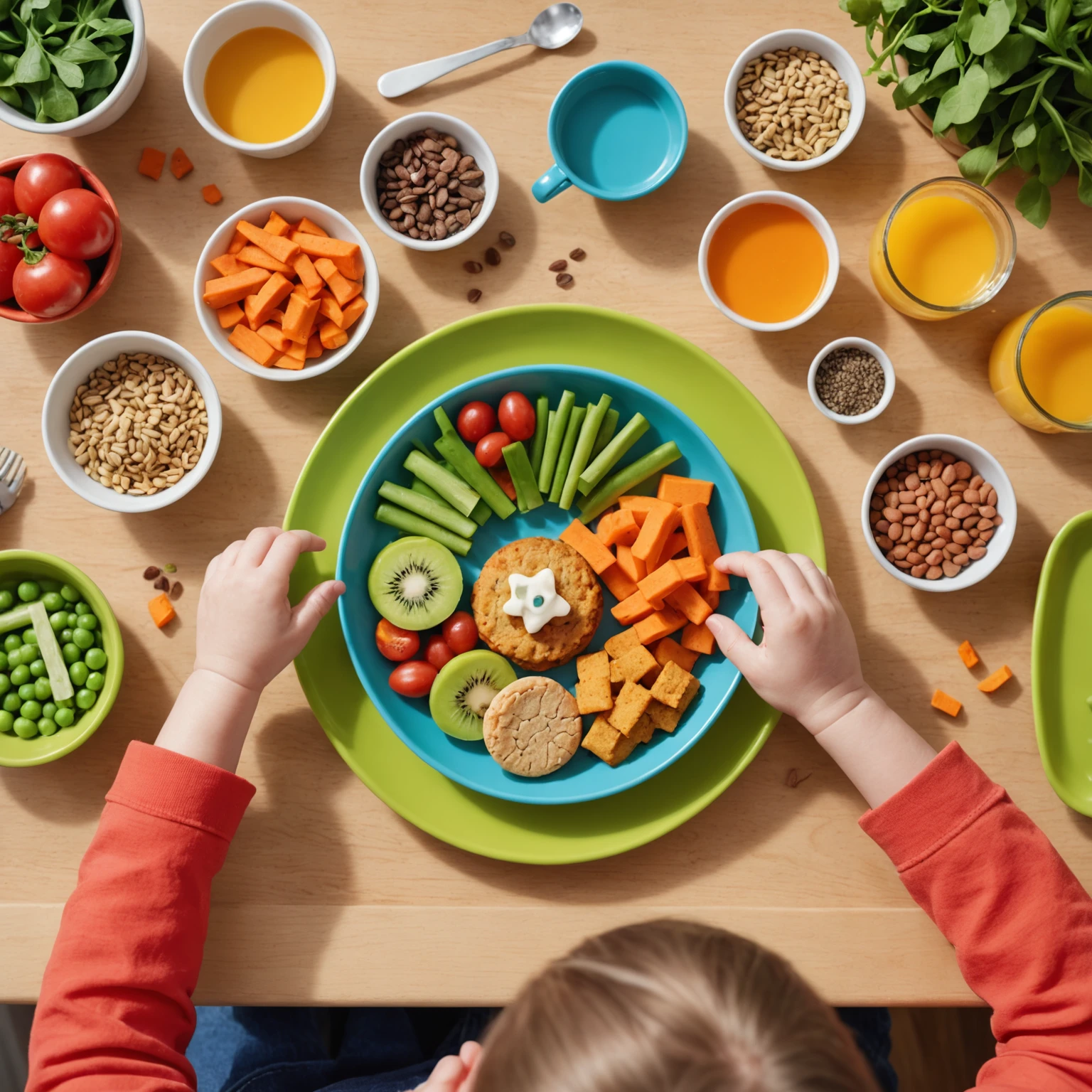
Managing food allergies does not mean compromising nutrition. For toddlers allergic to dairy, fortified alternatives like oat, coconut, or nut milks (if no nut allergy is present) can supply vital calcium and vitamin D. If nuts must be avoided, seeds such as pumpkin or sunflower seeds provide fats. Protein can be sourced from legumes like peas and lentils, found in practical options like Savory Sweet Potato and Pea Toddler Biscuits.
Nutrient-rich substitutions ensure toddlers continue to grow and thrive despite dietary restrictions.
practical Meal Planning Tips for Parents
- Batch Prepare Allergy-Safe Snacks: Prepare snacks ahead of time, like Mini Carrot and Apple Oat Bars, for quick and practical options.
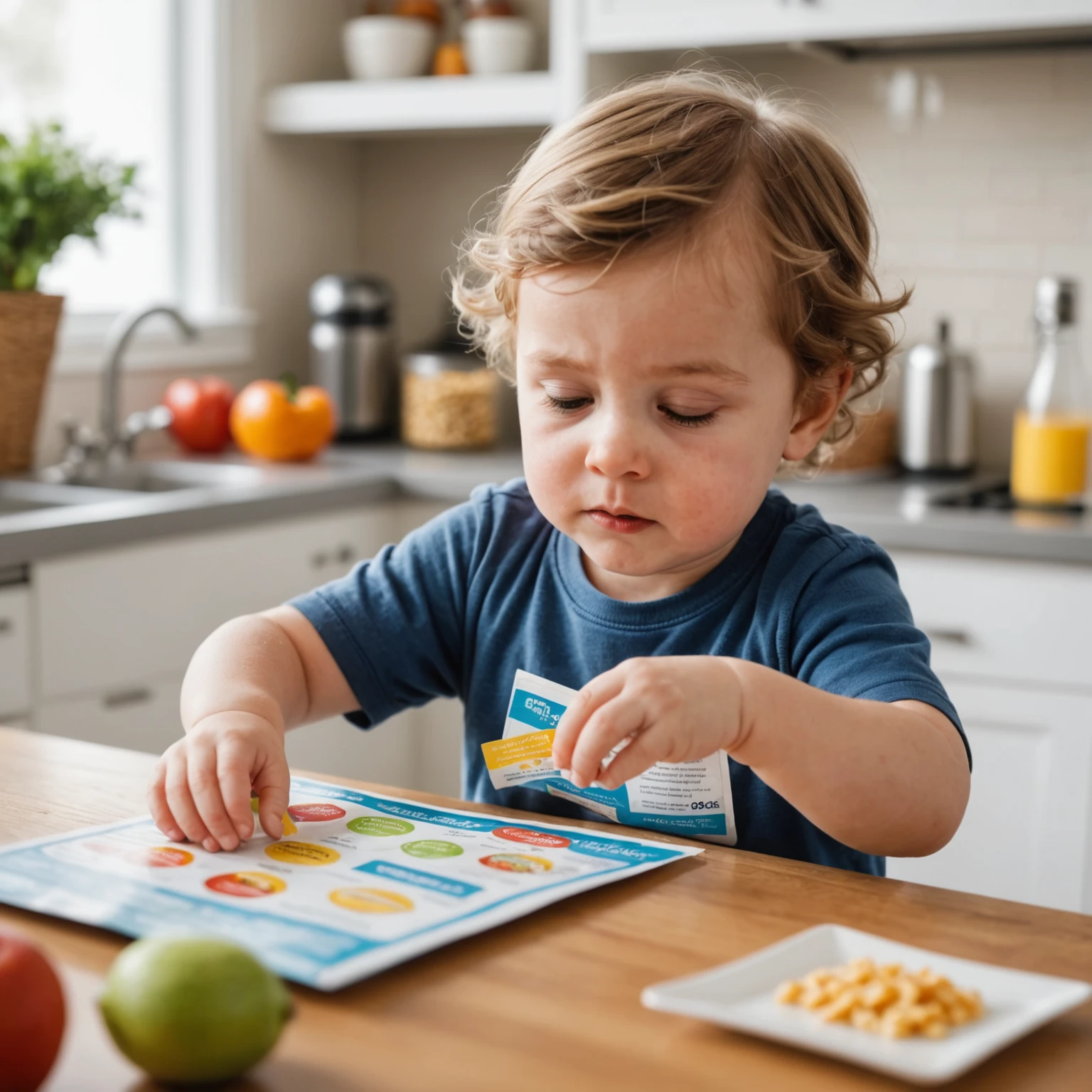
- Carefully Read Ingredient Labels: Always verify product labels for allergen warnings and risk of cross-contamination.
- Establish practical Zones: Designate specific areas and utensils for preparing practical foods to avoid accidental exposure.
- Communicate with Caregivers: Clearly inform childcare providers and family members about your toddler’s allergies and safe foods to maintain consistent care routines.
Supporting Picky Eaters with Food Allergies
Toddlers managing allergies may be more selective. To gently expand food acceptance:.
- Introduce new allergy-safe foods gradually and repeatedly.
- Mix familiar flavors with new textures or ingredients.
- Use creative presentation such as fun shapes and colors.
- Keep mealtime positive and free of pressure to build confidence and enjoyment.
These methods help toddlers develop diverse, safe eating habits.
Knowing When to Seek Professional Guidance
If allergies are severe or you struggle to meet nutritional needs, consult pediatric dietitians or allergists. These specialists provide customized strategies to ensure your toddler’s dietary requirements are safely met.
Managing toddler food allergies can feel overwhelming, but with informed strategies, balanced substitutions, and intentional meal planning, parents can confidently support their child’s health and nutrition. For helpful inspiration, explore practical recipes like Mini Carrot and Apple Oat Bars and Savory Sweet Potato and Pea Toddler Biscuits.