 TinyTummyTreats
Overview
<h2>Introduction</h2> <p>Introducing new foods to toddlers can be challenging due to their natural food hesitations. Beyond simply placing healthy options on their plates, parents can transform mealtimes into engaging sensory experiences that ignite curiosity and enjoyment. This guide presents practical, sensory-based and positive strategies designed to make new foods inviting, helping toddlers develop a joyful relationship with eating.</p>.
Key Insights
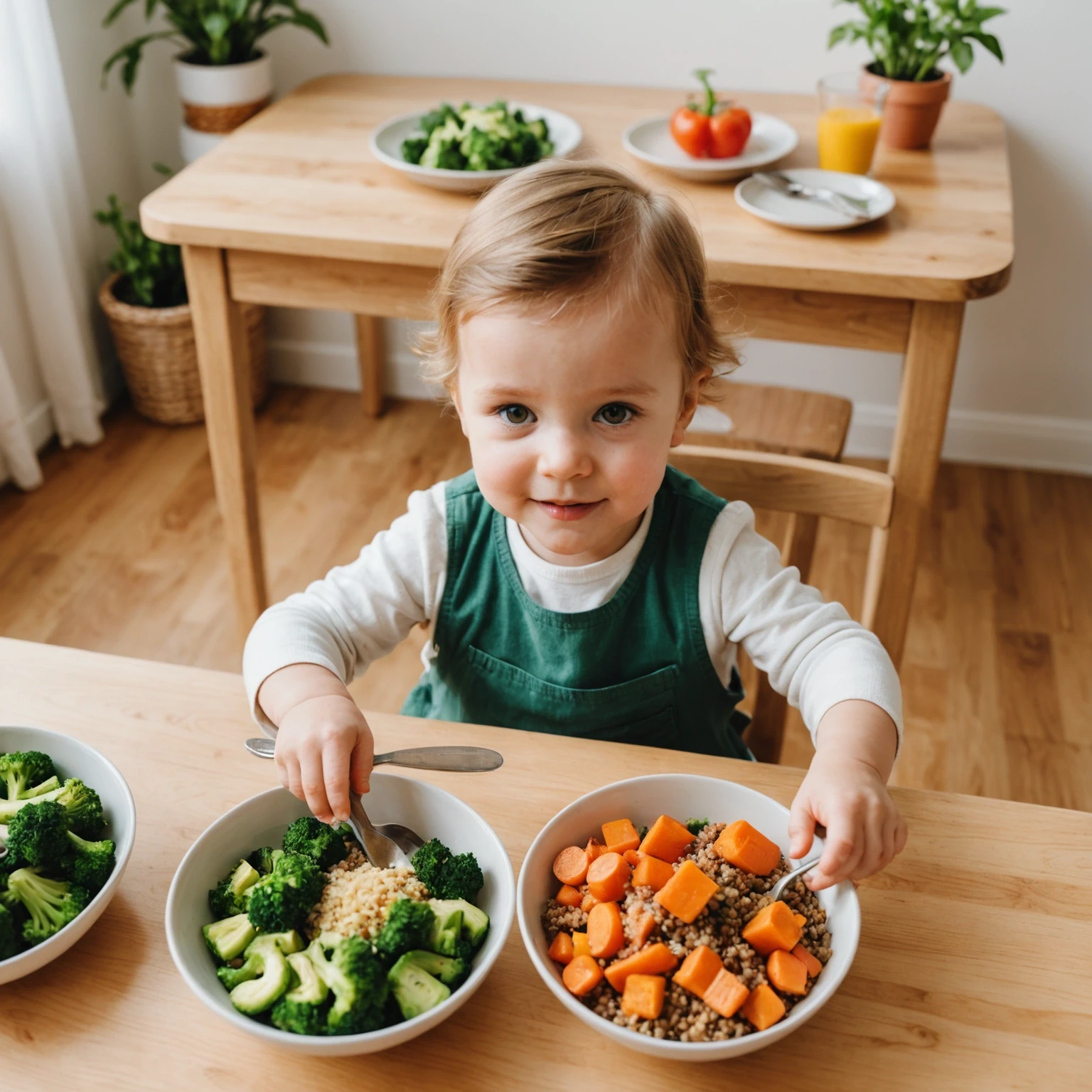
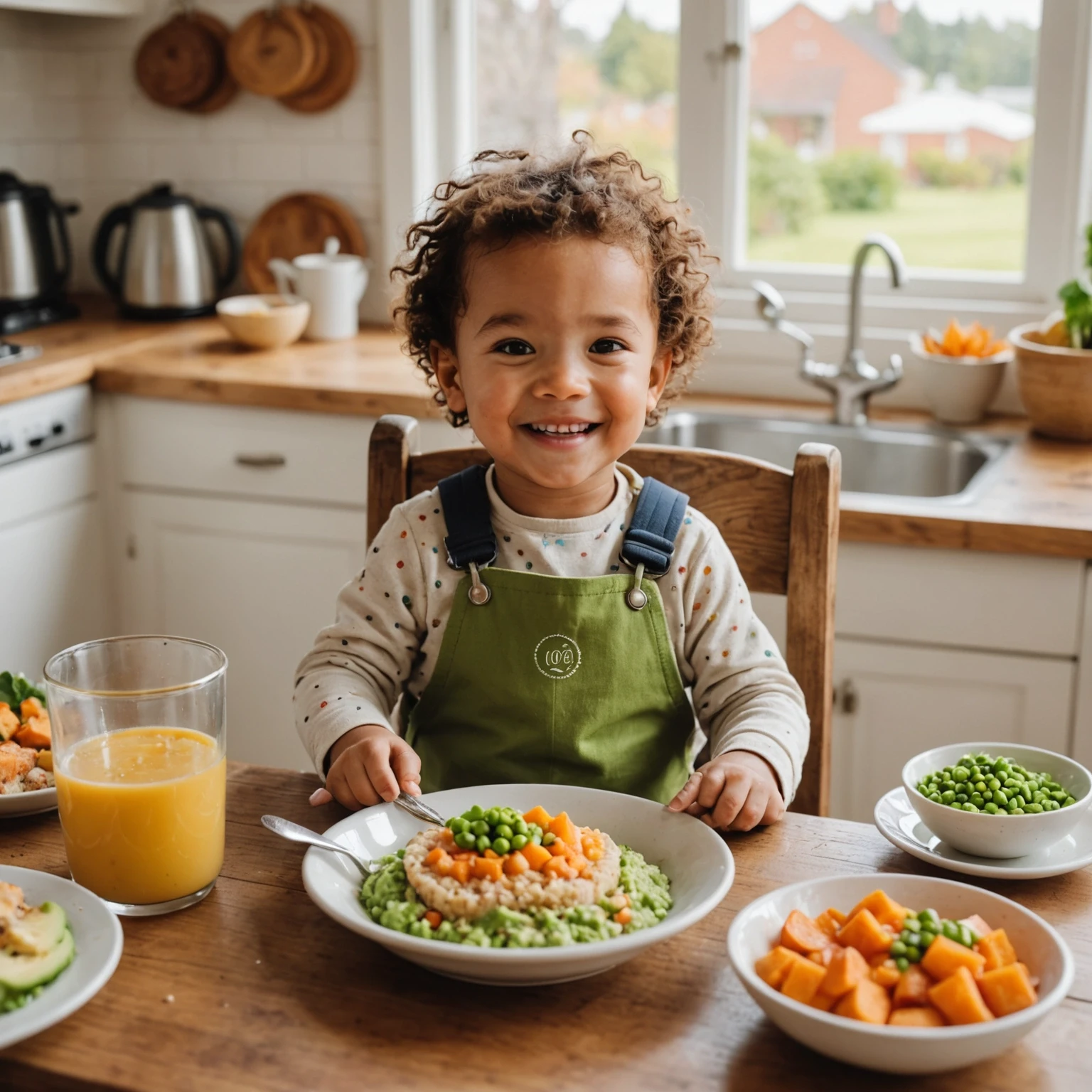
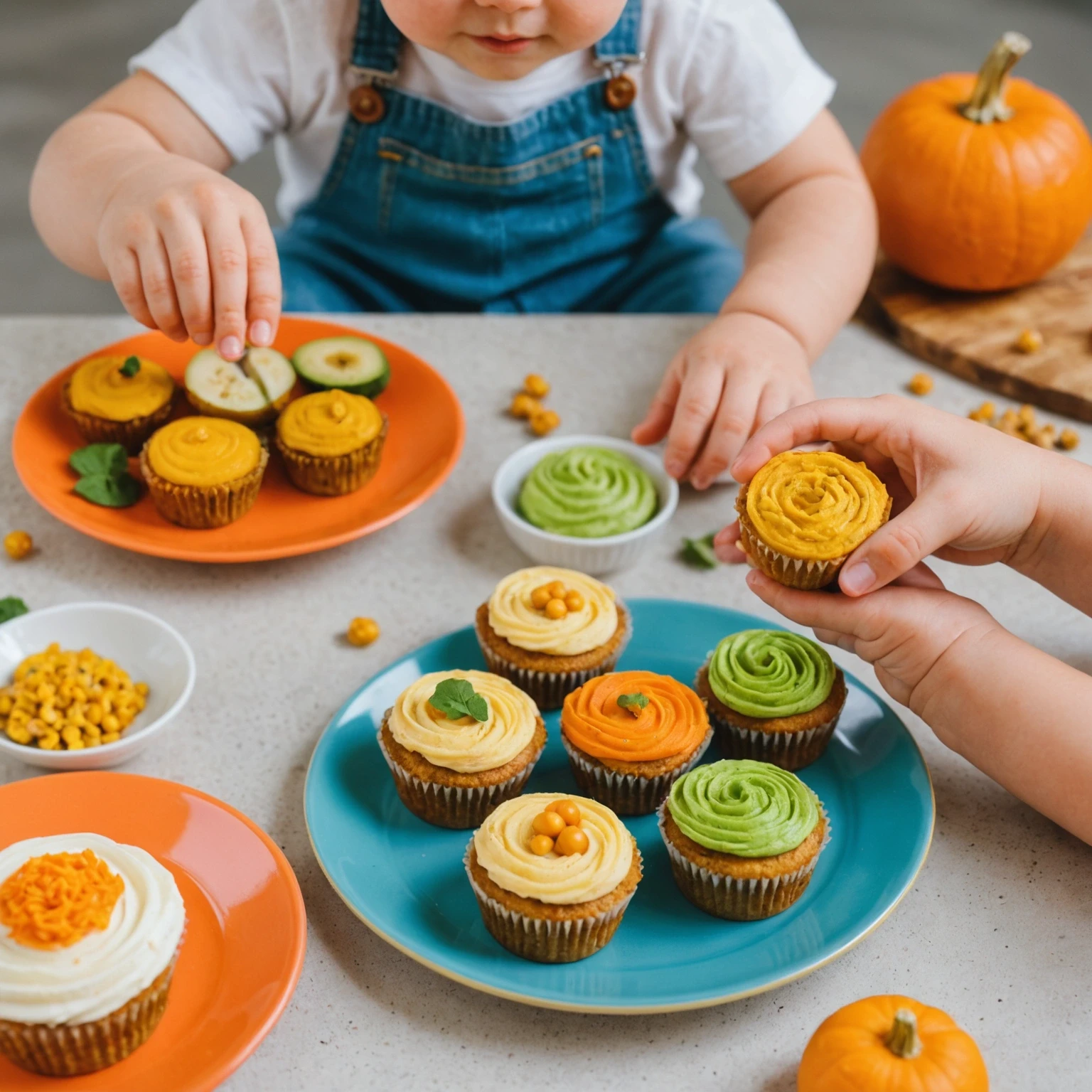
<h2>1. Engage Toddlers’ Senses to Encourage Food Exploration</h2> <p>Toddlers learn best through sensory experiences. Encouraging them to explore food textures, smells, colors, and tastes reduces anxiety and heightens interest in trying unfamiliar foods.</p> <ul> <li><strong>Touch and texture:</strong> Allow toddlers to feel and manipulate foods like the soft <a href="">Mini Zucchini and Carrot Savory Cupcakes</a> or creamy <a href="">Banana and Avocado Toddler Creamy Parfait</a>. Safe finger play builds sensory comfort with new foods.</li> <li><strong>Visual and smell cues:</strong> Use colorful presentations and subtle aromas—such as fresh herbs in <a href="">Pumpkin and Chickpea Savory Pancakes with Mild Curry Spice</a>—to attract attention and invite tasting.</li> <li><strong>Gentle taste sampling:</strong> Offer small portions alongside favorite foods, facilitating gradual flavor acceptance without pressure.</li> </ul>.
Practical Tips
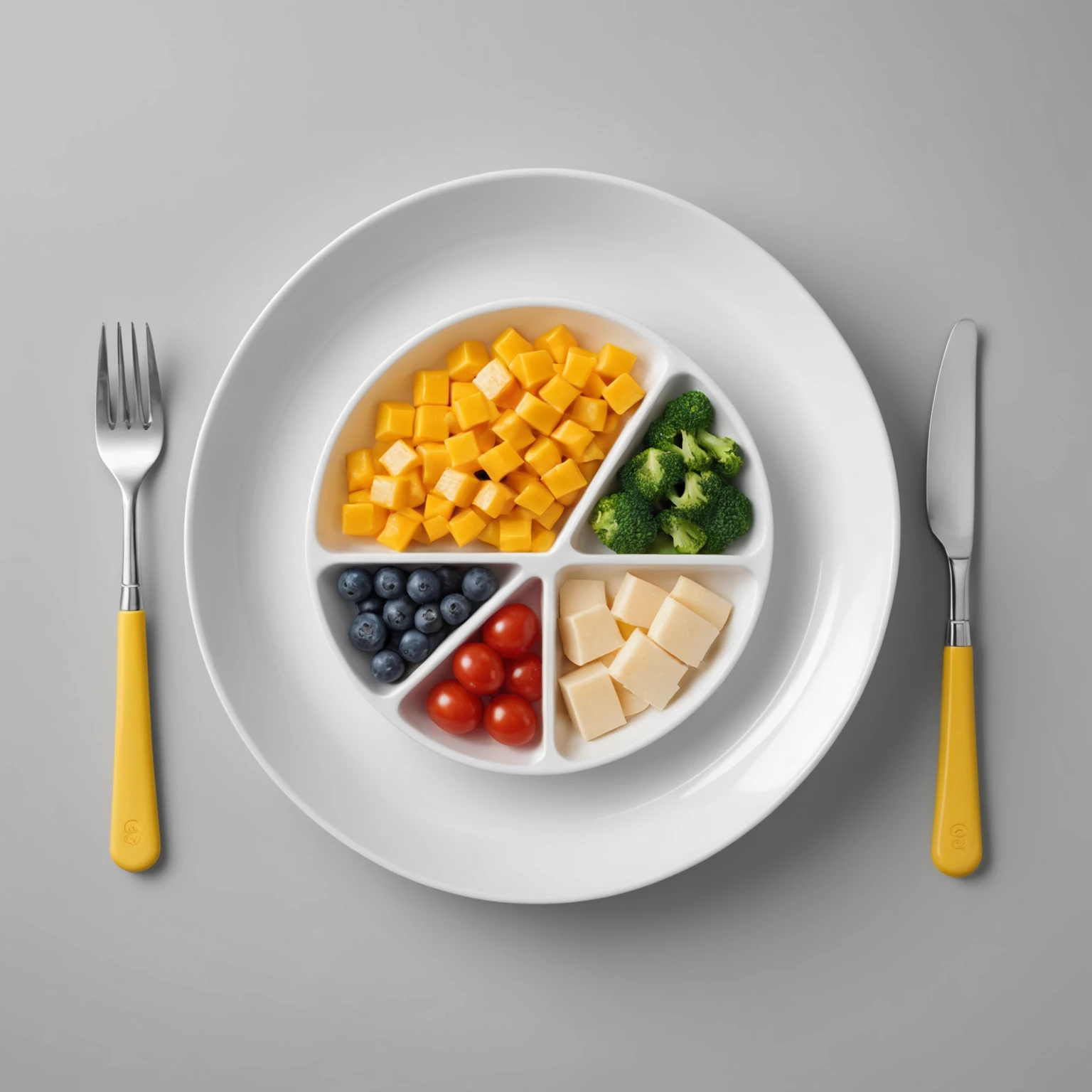
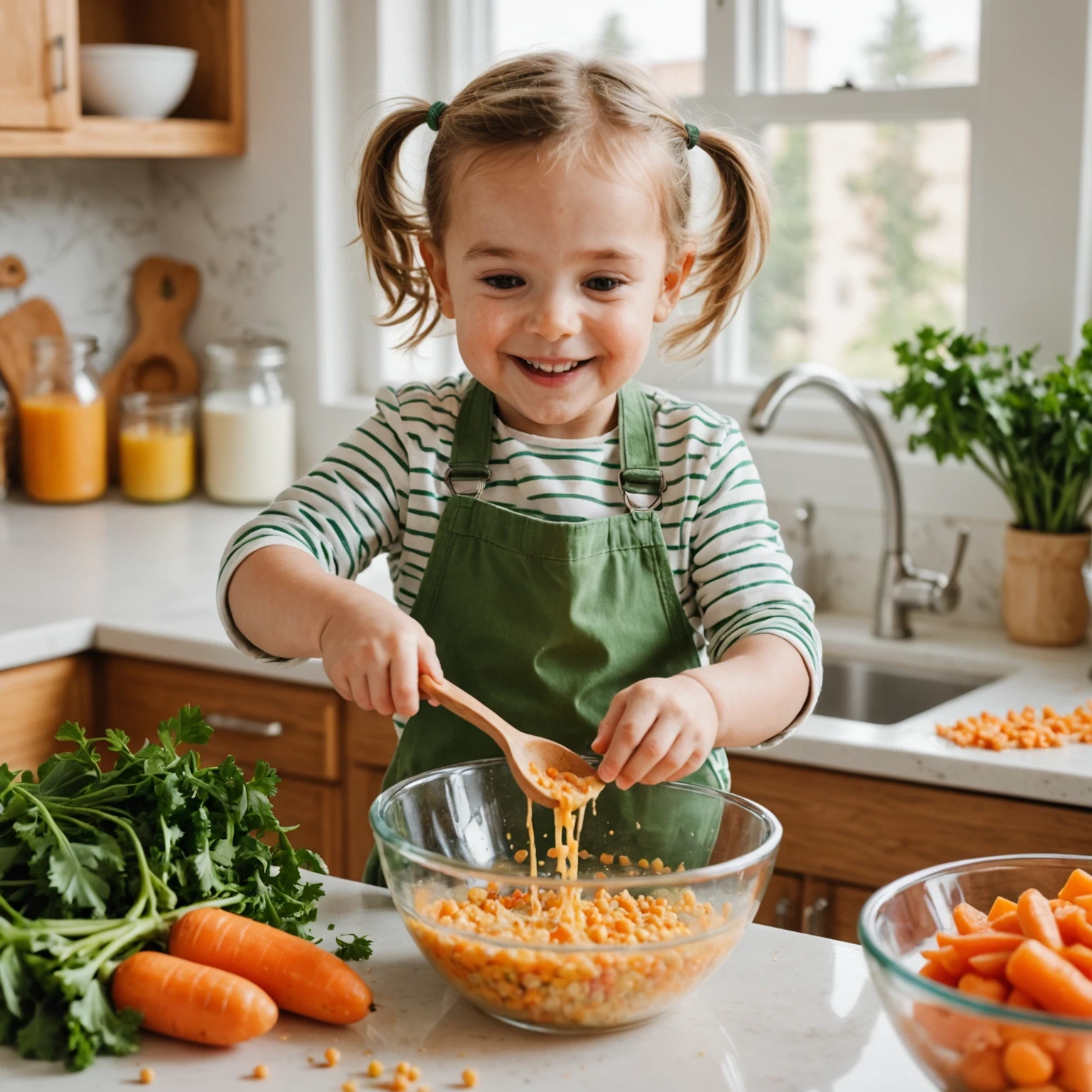
<h2>2. Use Playful and Colorful Food Presentation</h2> <p>Visual appeal strongly influences toddlers’ willingness to try foods. Bright colors, fun shapes, and interactive finger foods promote engagement and independent eating skills.</p> <ul> <li><strong>Creative plating:</strong> Arrange foods in appealing shapes or on colorful plates. Bite-sized pieces of <a href="">Soft Quinoa and Banana Toddler Porridge Bars</a> make exploration inviting and accessible.</li> <li><strong>Finger-friendly options:</strong> Serve foods toddlers can pick up and explore at their own pace, encouraging self-feeding and sensory curiosity.</li> <li><strong>Texture variety:</strong> Combining smooth and firmer foods supports sensory engagement and helps develop chewing skills.</li> </ul>.
Common Pitfalls
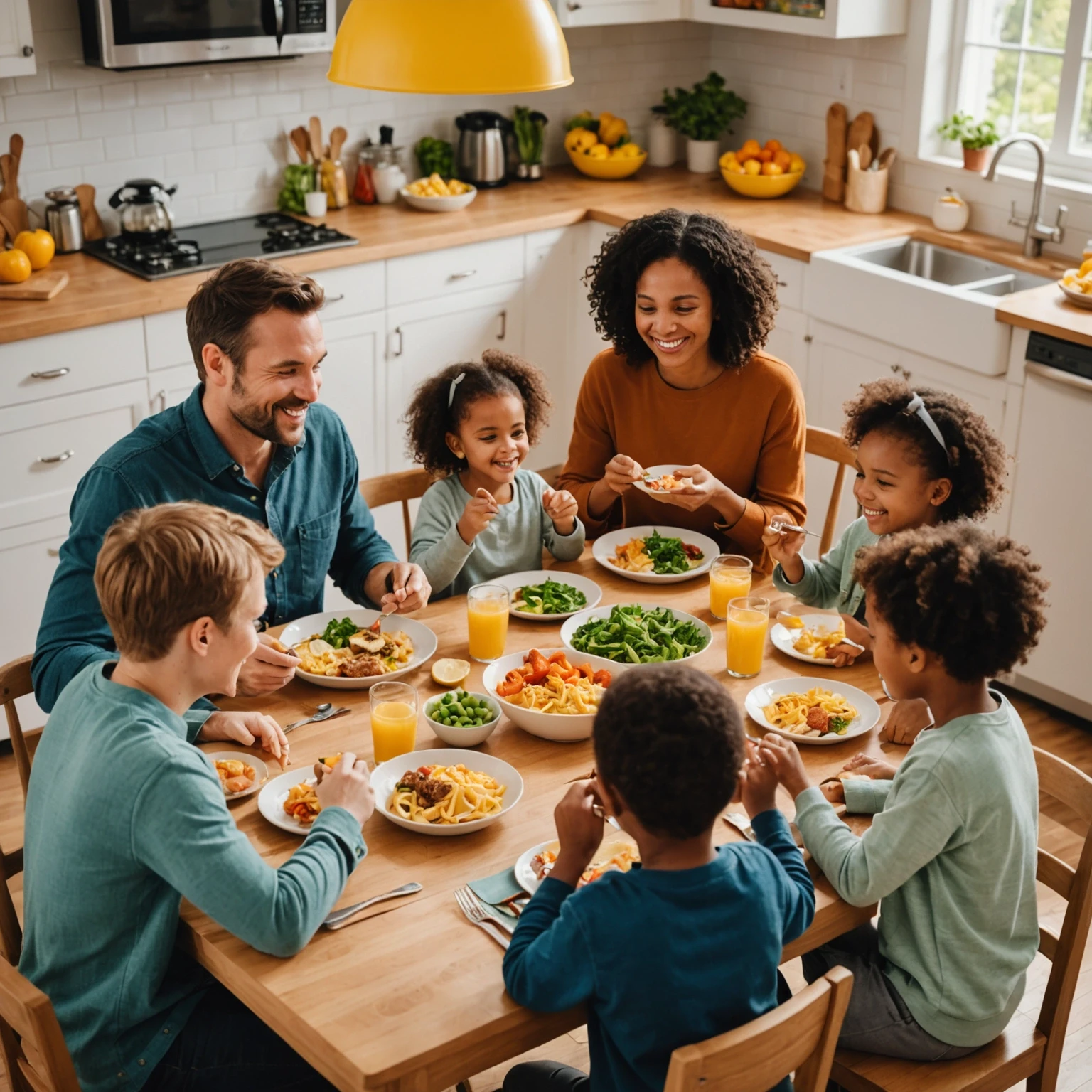
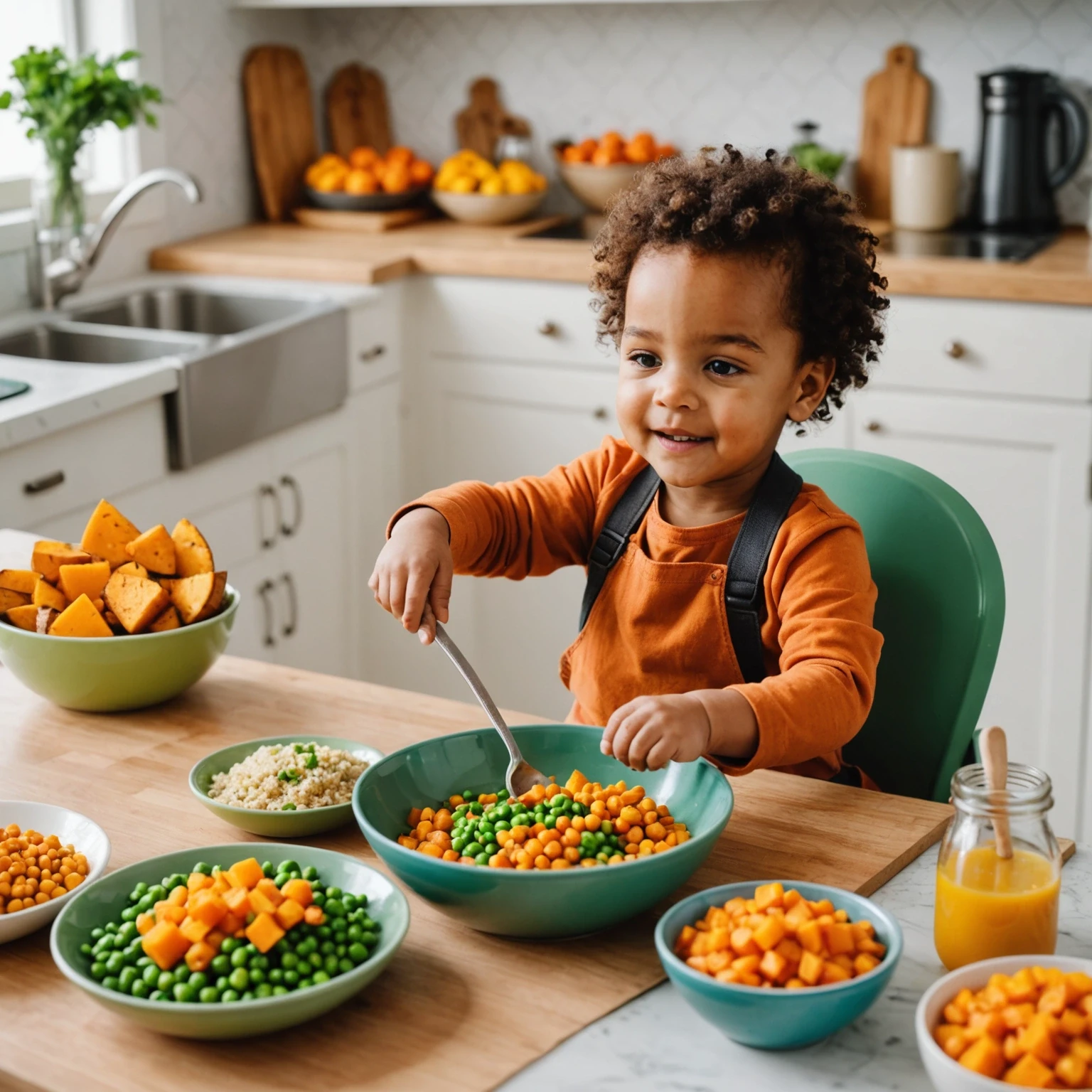
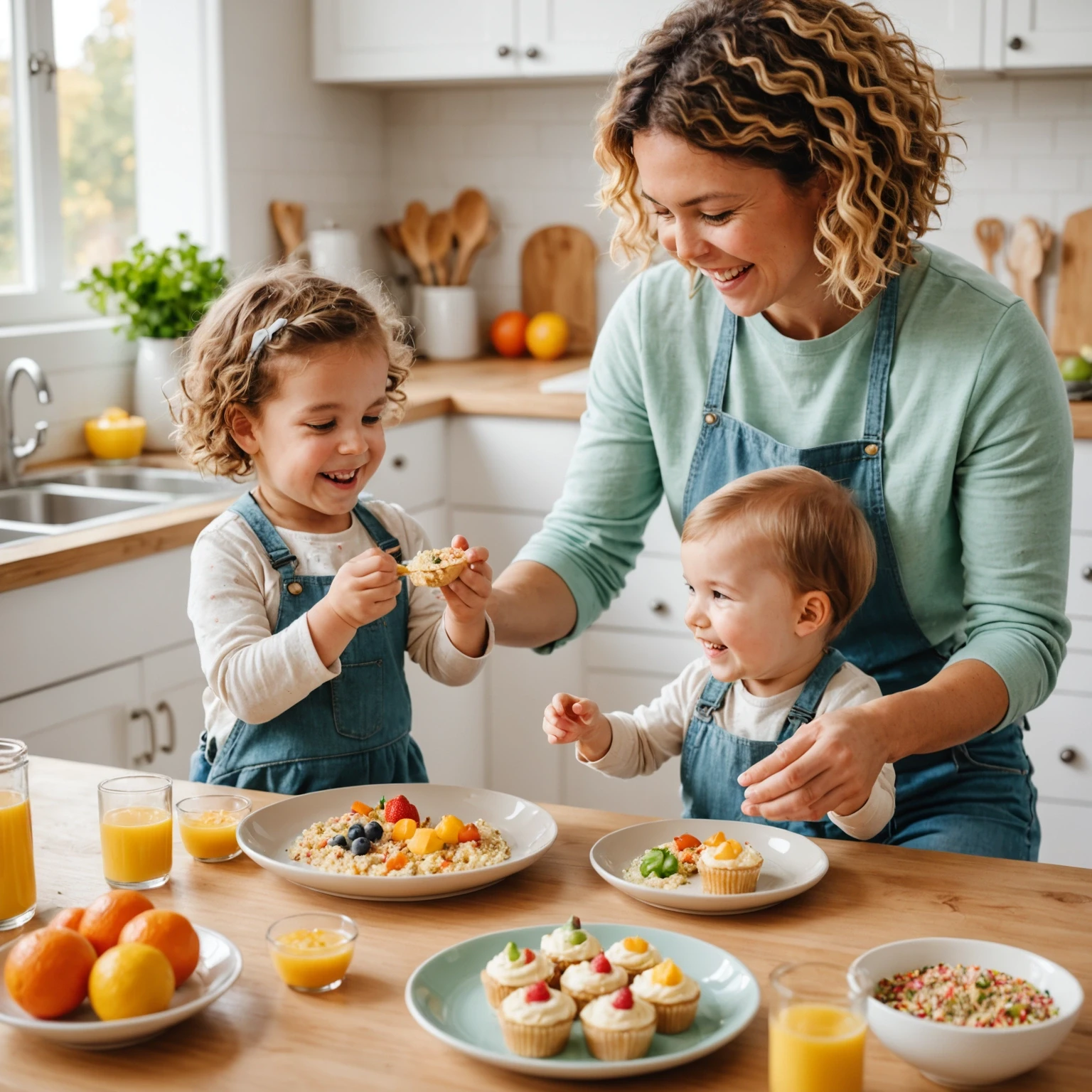
<h2>3. Involve Toddlers in Meal Preparation to Build Food Ownership</h2> <p>Active participation in meal prep fosters curiosity, confidence, and positive attitudes towards trying new foods.</p> <ul> <li><strong>Age-appropriate tasks:</strong> Let toddlers wash vegetables, stir ingredients, or place toppings on dishes safely, nurturing a sense of contribution.</li> <li><strong>Choice-making:</strong> Offer two healthy options to empower toddlers’ decision-making, reducing resistance and building autonomy.</li> <li><strong>Celebrate involvement:</strong> When toddlers help create dishes like <a href="">Pumpkin and Chickpea Savory Pancakes</a>, they often feel motivated to taste their creations.</li> </ul>.