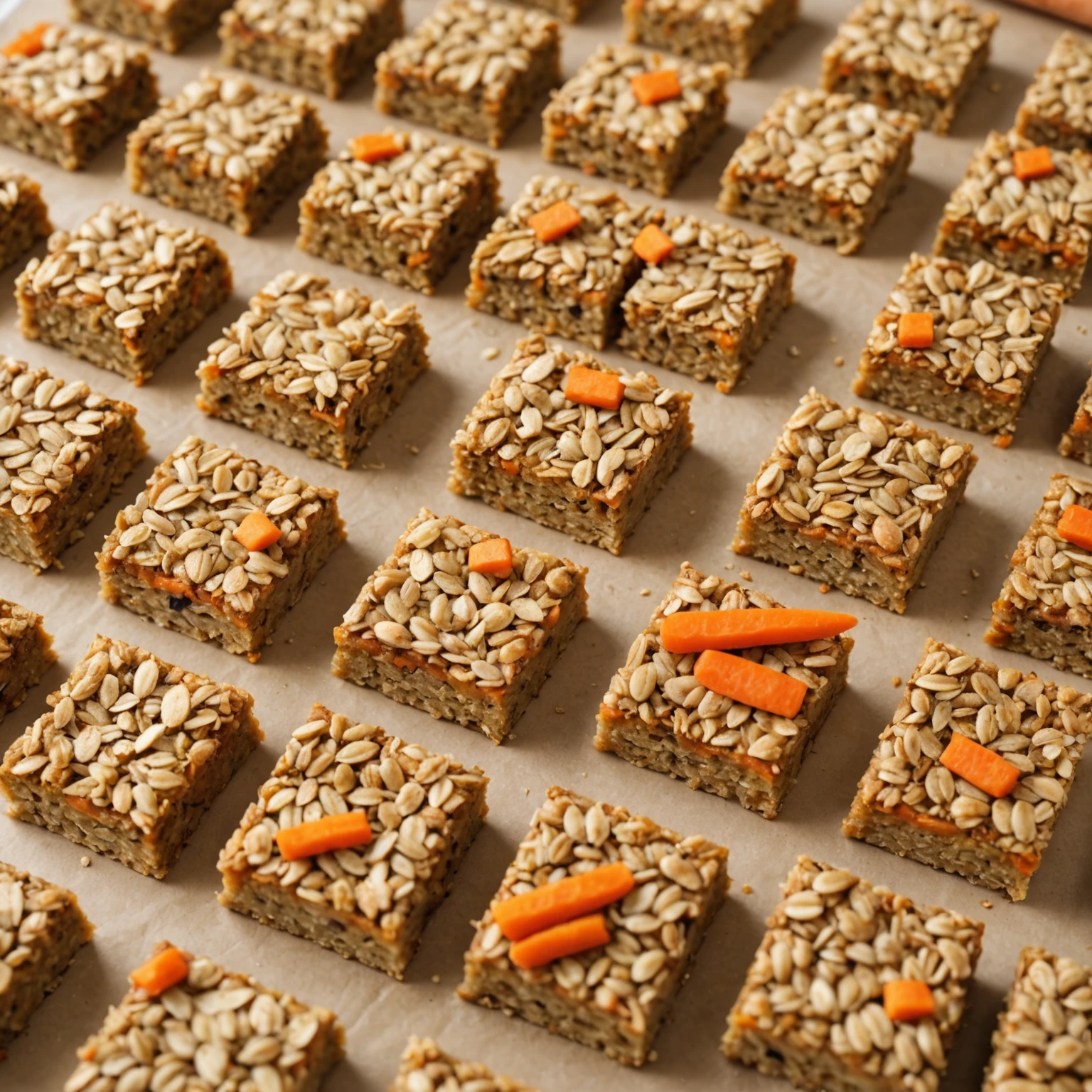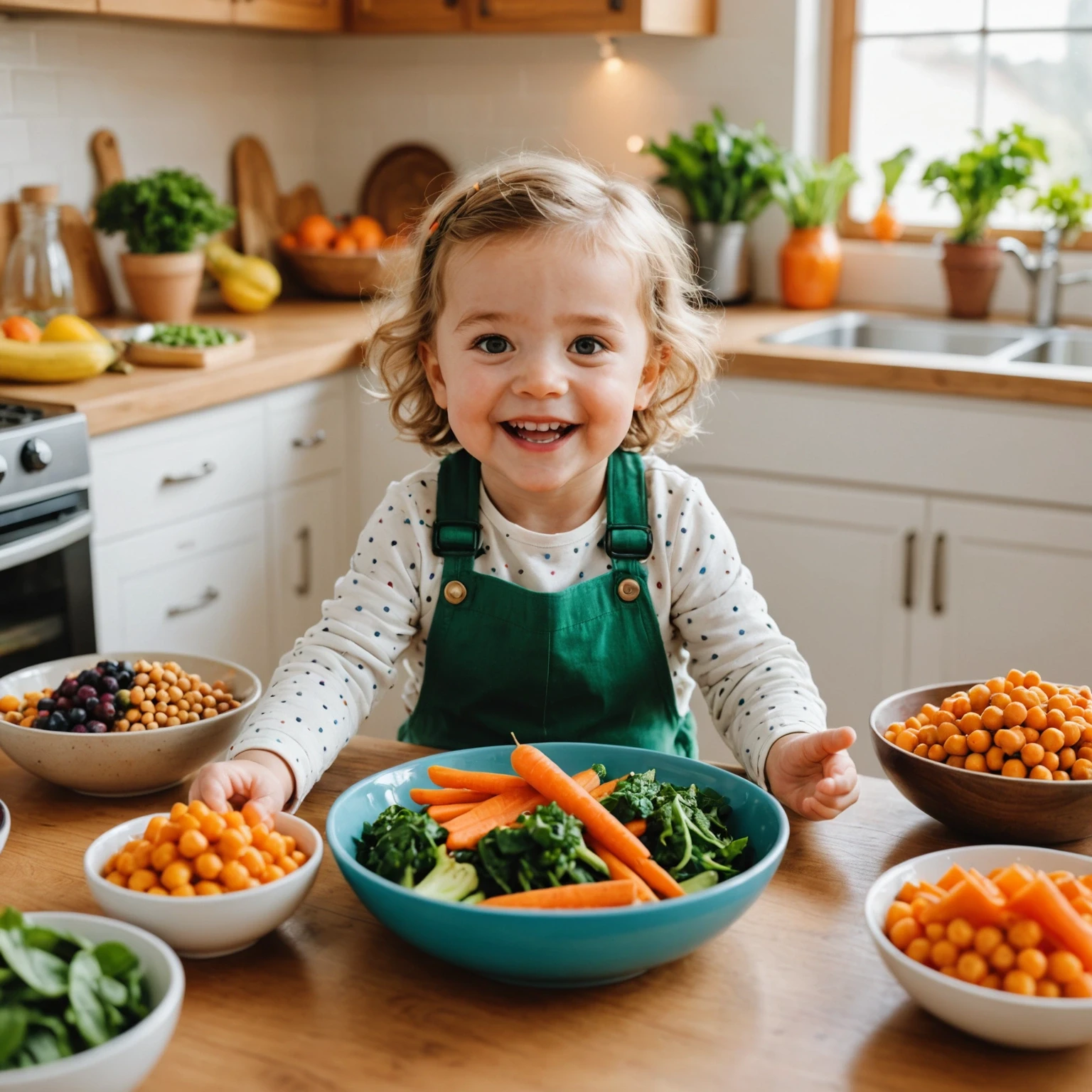
Supporting toddlers' growth and development through practical is a top priority for parents and caregivers. Plant-based ingredients offer a rich variety of essential nutrients that play a vital role in physical growth, immune function, and cognitive skills during these formative early years. This article provides an overview of key plant foods and practical strategies to incorporate them into toddler meals and snacks, fostering diverse nutrient intake and practical eating habits.
The Importance of Plant-Based Foods in Toddler Development
Plant-based foods are naturally packed with vitamins, minerals, fiber, antioxidants, and plant proteins that contribute significantly to toddlers’ well-being. Nutrients like iron, zinc, vitamins A, C, E, folate, and omega-3 fatty acids found in vegetables, fruits, legumes, seeds, and whole grains support cellular growth, brain development, and immune system resilience. Additionally, dietary fiber from plant sources promotes a practical gut microbiome, which is essential for effective immune regulation.
Plant-based options are particularly valuable for toddlers with food allergies or dietary preferences, providing safe and nutrient-rich alternatives without compromising practical.
Key Plant-Based Foods to Include in Toddler Diets
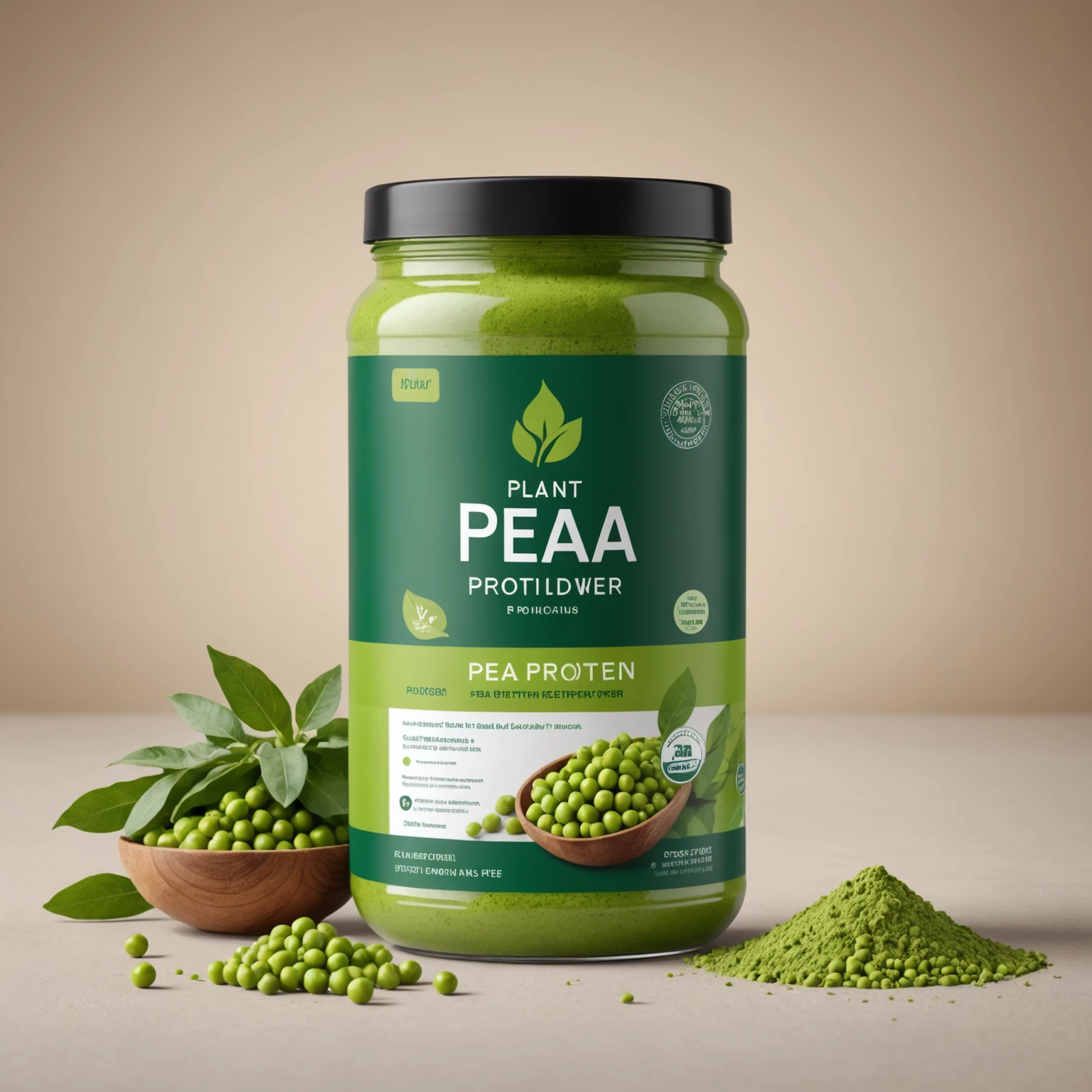
- Legumes (lentils, chickpeas, peas): Excellent sources of plant protein, iron, and fiber that support muscle development and cognitive function.
- Whole Grains (quinoa, millet, oats): Provide sustained energy and B vitamins important for growth and metabolism.
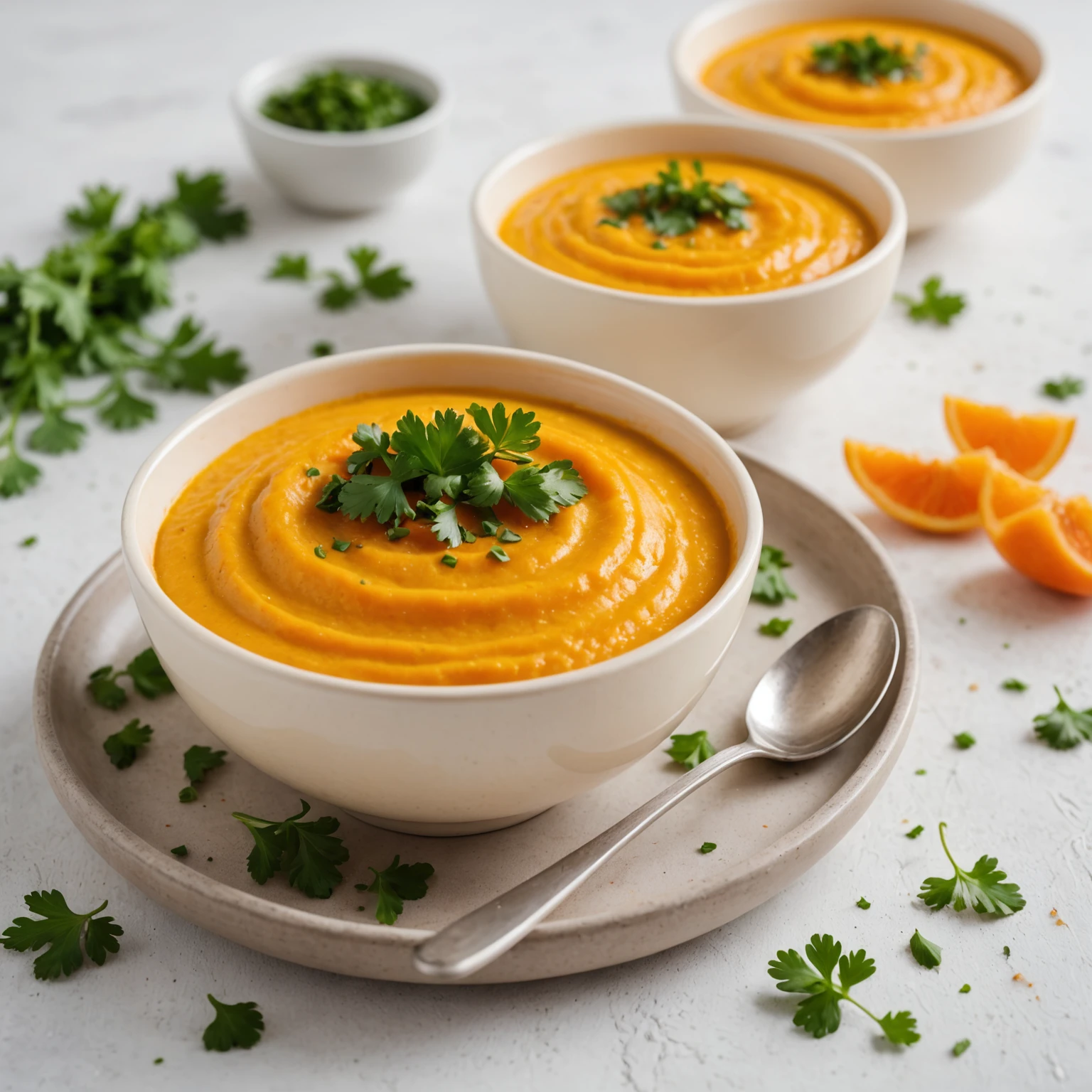
- Vegetables (sweet potatoes, spinach, carrots, pumpkin): Rich in beta-carotene, vitamin C, folate, and antioxidants that enhance vision, skin health, and strengthen immune defenses.
- Fruits (bananas, berries, pears, apples): Contain natural sugars, vitamins, fiber, and flavonoids beneficial for brain health and overall vitality.
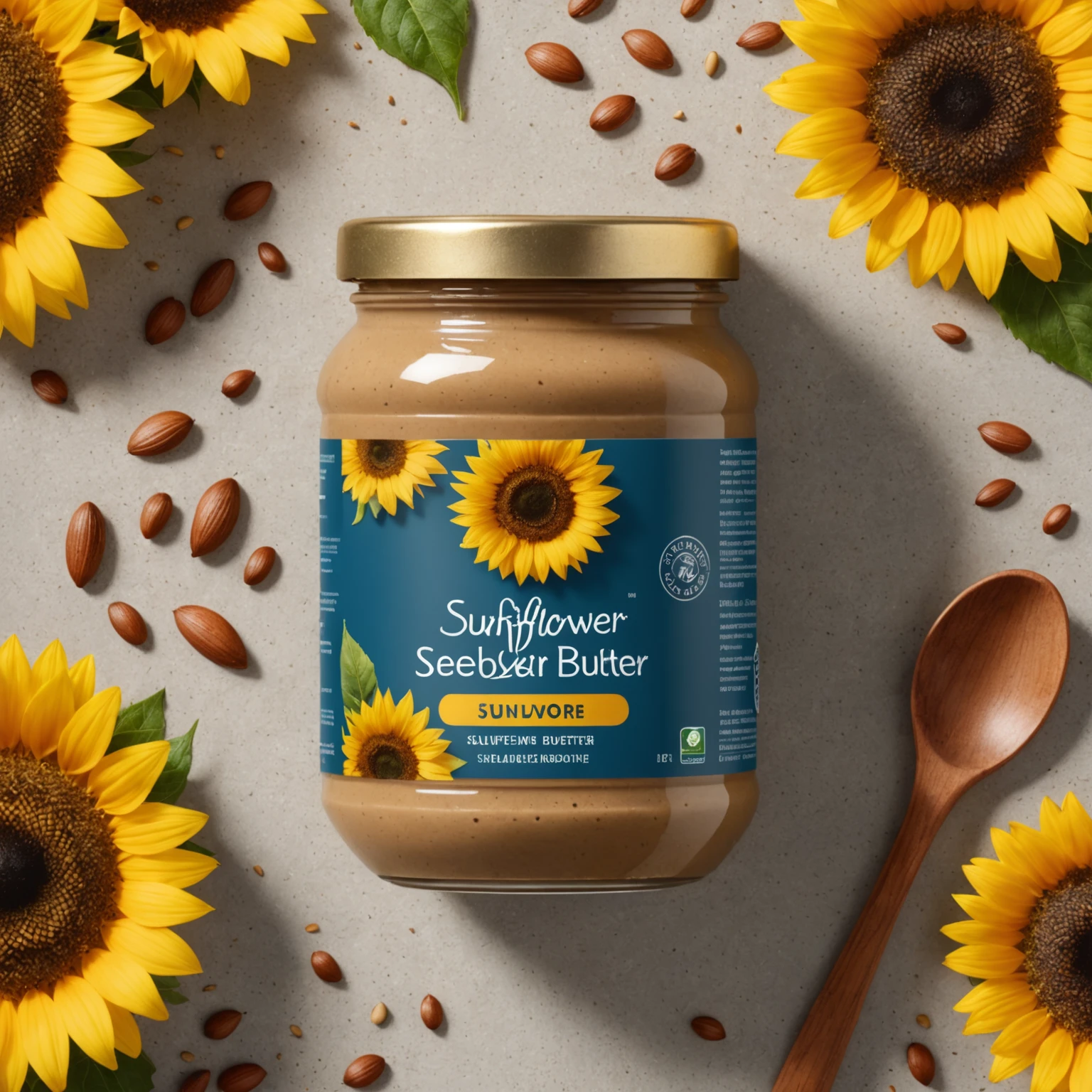
- Seeds and Nut Butters (chia seeds, sunflower seeds, pumpkin seeds): Offer omega-3 fatty acids, vitamin E, and essential minerals. Use nut butters cautiously considering allergy risks.
Practical Strategies for Adding Plant-Based Nutrition to Toddler Meals
- Purees and Mashes: Mixing legumes and vegetables into smooth textures makes nutrient-rich meals accessible for younger toddlers. For example, Tender Cauliflower and Chickpea Mash with Mild Turmeric – Toddler-Friendly Puree offers plant protein and gentle spices in a toddler-appropriate texture.
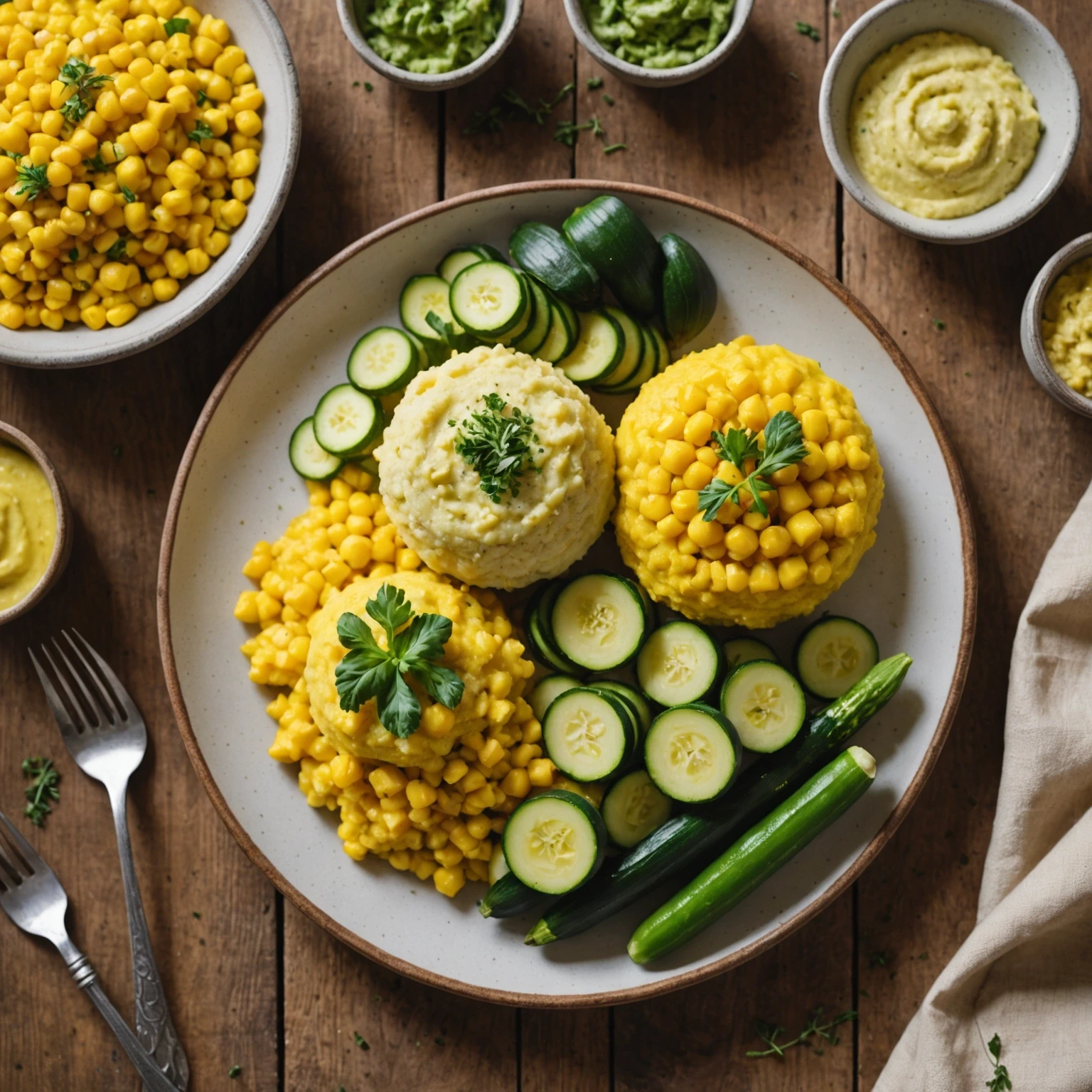
- Finger Foods and Mini Bites: Soft patties or bars like Sweetcorn and Courgette Polenta Bites encourage self-feeding while delivering veggies and whole grains.
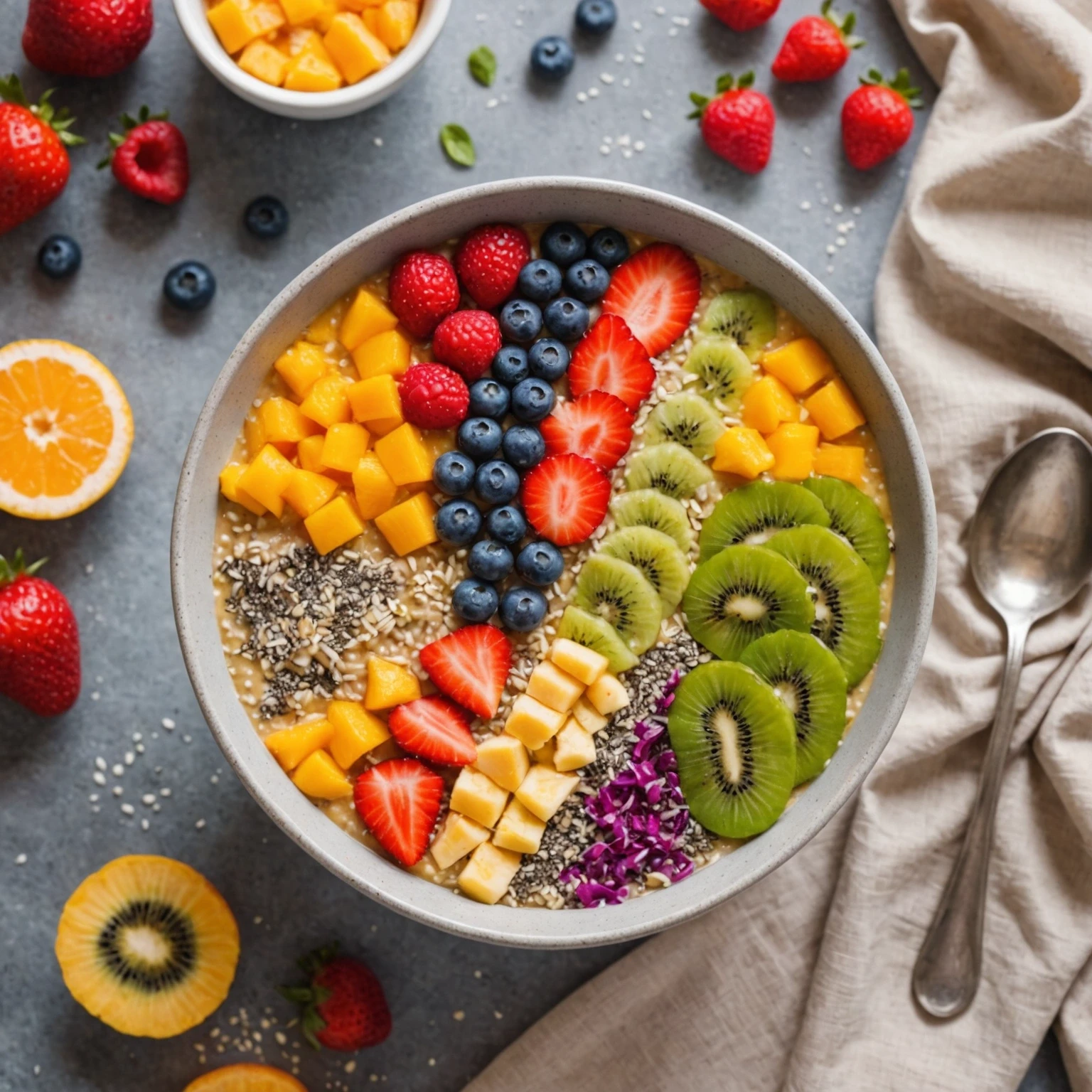
- Enhancing Breakfasts: Boost porridges and smoothie bowls by adding fruits, seeds, and fats, such as in the Creamy Coconut Millet Porridge with Tropical Fruits, combining whole grains with vitamin-rich fruits.
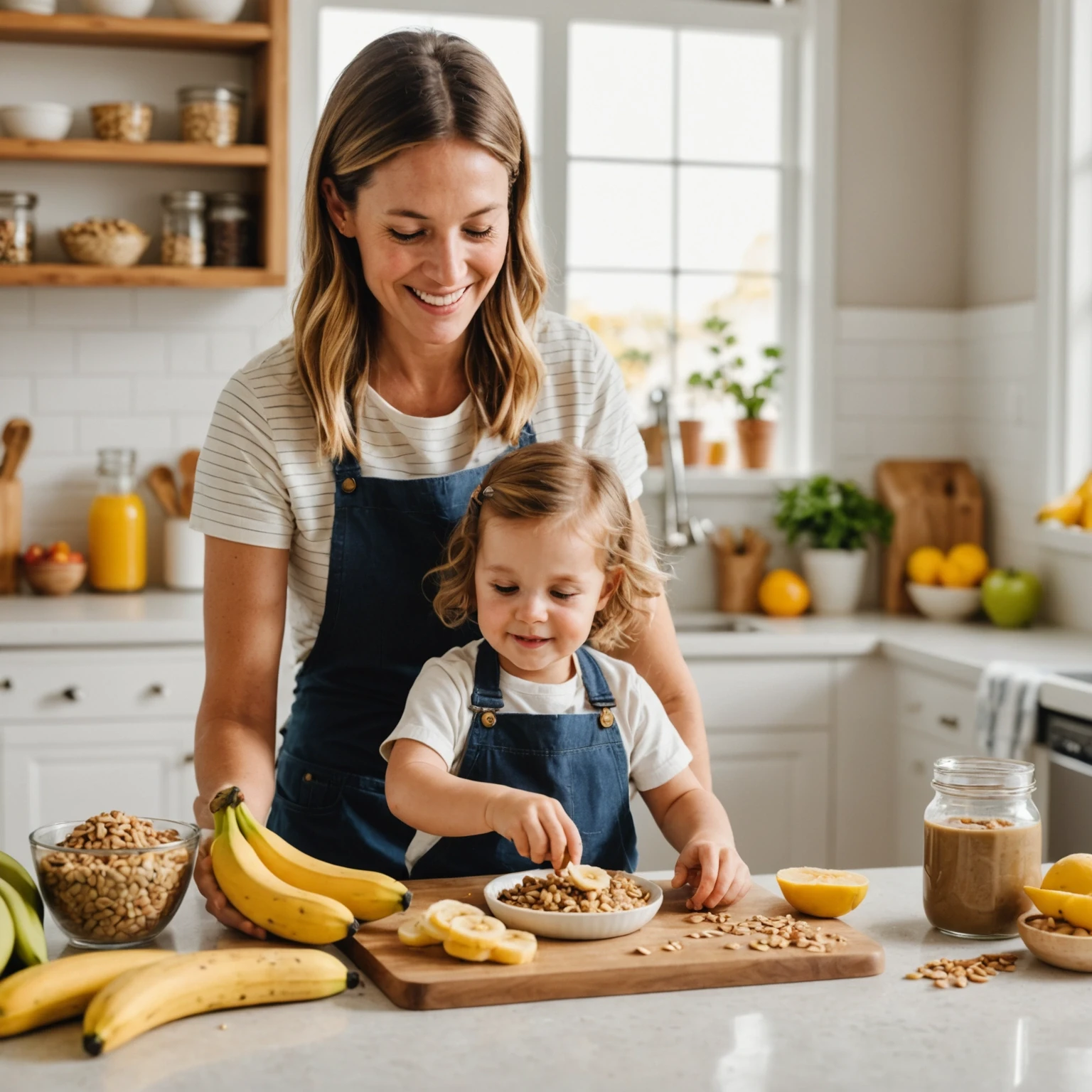
- Nut and Seed Butters: For toddlers without nut allergies, spreads like sunflower seed butter provide additional protein and fats. The Sunflower Seed Butter and Banana Rice Cakes combine fruit and seed butter on whole grain bases for convenient snacks.
Supporting Toddler Immunity and Cognitive Development Naturally
Colorful vegetables rich in carotenoids and vitamin C boost white blood cell activity and protect against common childhood infections. Iron from legumes and grains plays a critical role in brain myelination and neurotransmitter synthesis, supporting learning and memory.
Omega-3 fatty acids from seeds such as chia contribute to brain plasticity and cognitive growth, highlighting the importance of a diverse plant-based diet for toddlers.
Navigating Picky Eating with Plant-Based Foods
Toddlers often resist new flavors and textures. Introducing plant-based foods in mild, familiar forms like soft bars, muffins, or purees can improve acceptance. Consistent, gentle exposure and offering appealing meal options can gradually expand their palate.
Efficient Meal Planning and Preparation Tips for Busy Parents
Batch cooking and freezing toddler-friendly dishes can simplify mealtime routines. Meals like Tender Cauliflower and Chickpea Mash with Mild Turmeric – Toddler-Friendly Puree and Sweetcorn and Courgette Polenta Bites store well, providing quick, practical options convenient for busy families.
Conclusion
Incorporating plant-based nutrition into toddler diets supports comprehensive development—enhancing physical growth, immune function, and brain health. By regularly including a variety of colorful vegetables, fruits, legumes, whole grains, and seeds in meals and snacks, parents can confidently nurture their toddlers’ health while fostering a positive relationship with wholesome foods.
Explore these practical, toddler-approved recipes for meal inspiration:
- Tender Cauliflower and Chickpea Mash with Mild Turmeric – Toddler-Friendly Puree
- Sweetcorn and Courgette Polenta Bites
- Creamy Coconut Millet Porridge with Tropical Fruits
- Sunflower Seed Butter and Banana Rice Cakes.
Embracing a diverse range of plant-based foods not only meets toddlers’ nutritional needs but also encourages curiosity and enjoyment around practical eating habits.