Challenges in Meeting Protein and Iron Needs Without Nuts
For toddlers adhering to practical diets because of allergies or sensitivities, meeting essential protein and iron requirements demands careful planning. Nuts are a common source of fats, proteins, and minerals; when excluded, parents need to incorporate alternative nutrient-rich foods vital for practical muscle growth, immune support, and brain development.

Protein contributes to muscle and tissue growth as well as immune function, while iron is key for cognitive development and maintaining energy levels. Prioritizing these nutrients supports overall toddler health and optimal development.
Safe, Nutrient-Dense practical Protein and Iron Alternatives

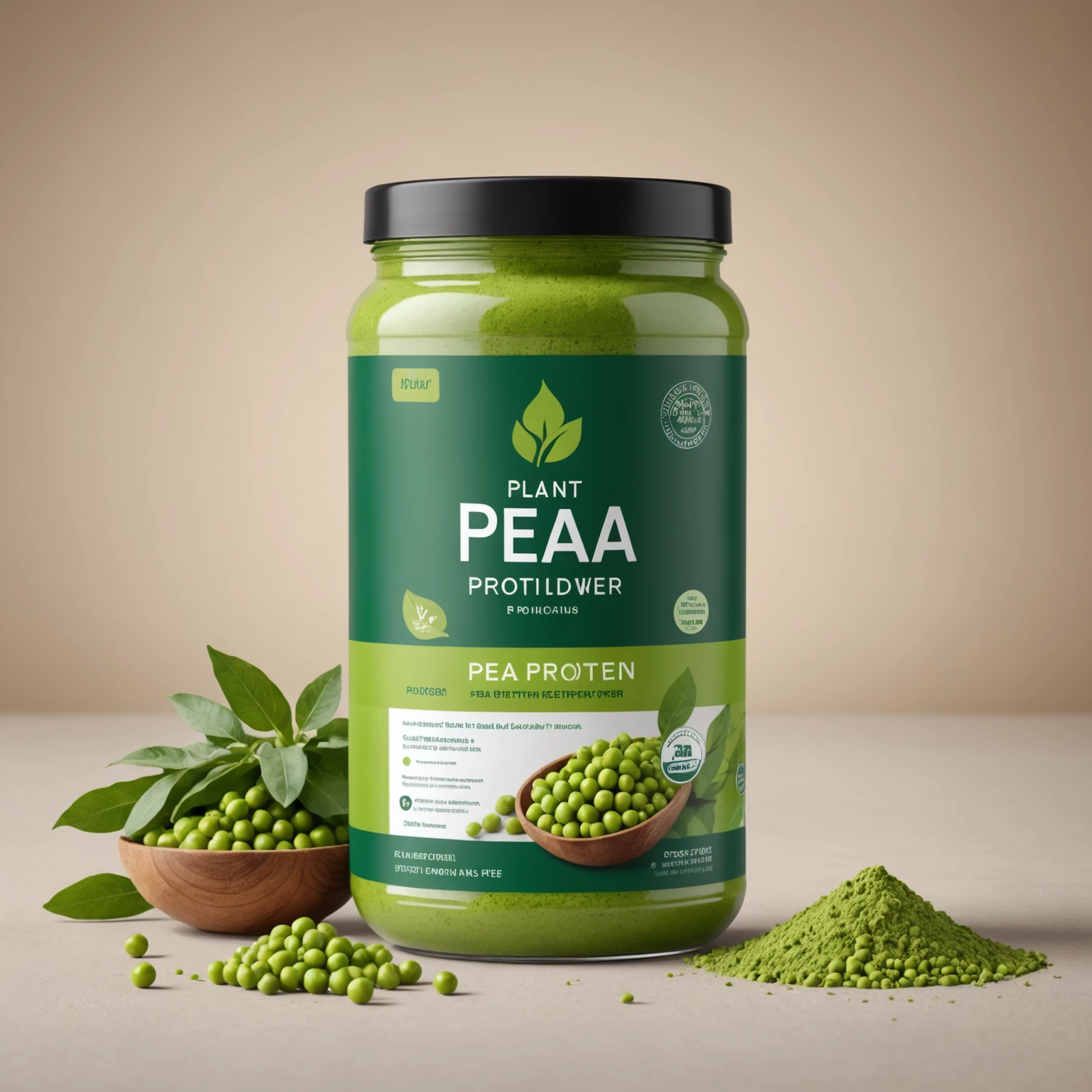
- Legumes and Pulses: Beans, lentils, and chickpeas are excellent plant-based sources of protein and iron. These can be served as smooth purees, patties, or added to stews, offering various textures for toddlers to explore.
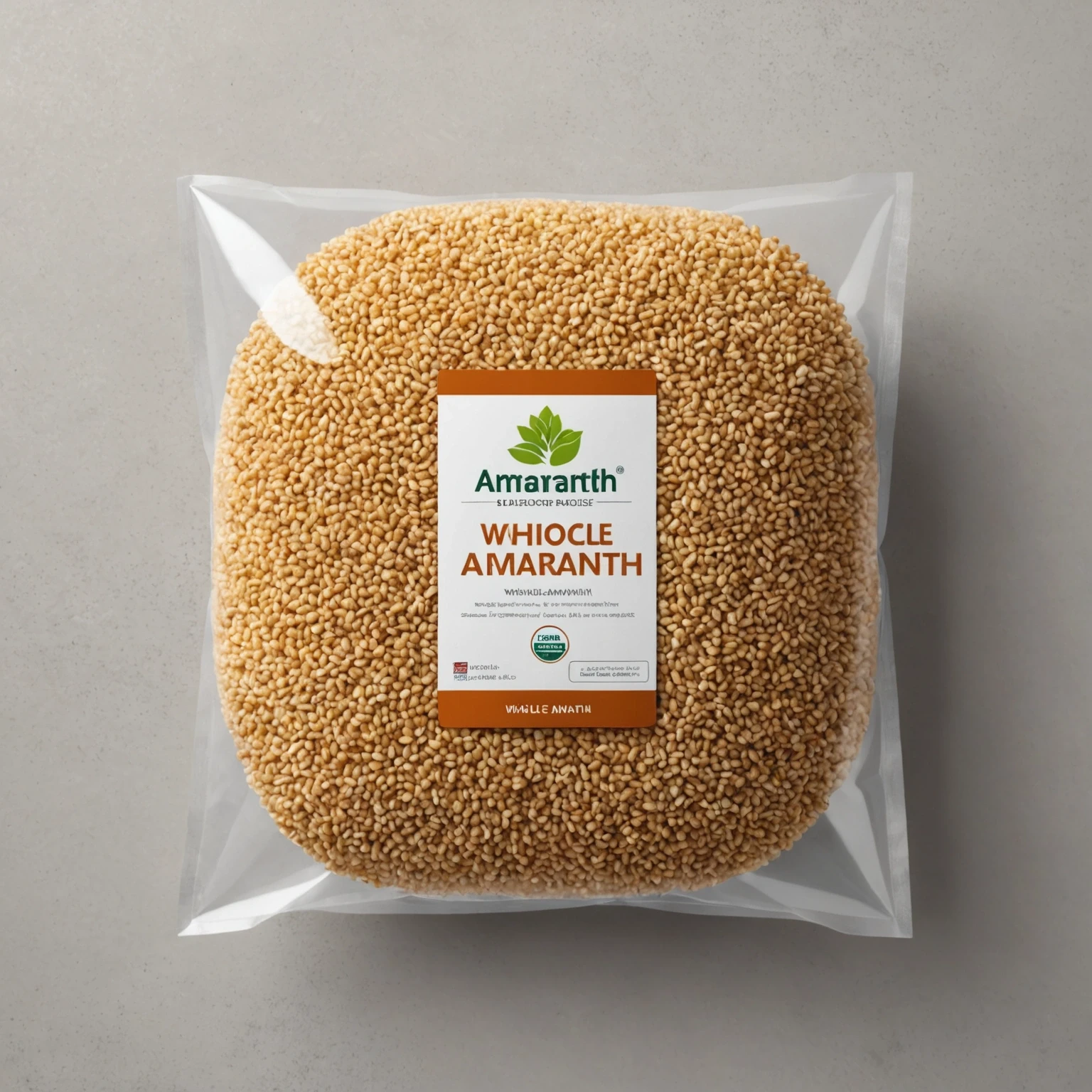
- Whole Grains: Quinoa, amaranth, millet, and barley provide protein, iron, fiber, and B vitamins. These grains can be prepared as porridges, mini muffins, or integrated into toddler-friendly meals to enhance nutritional variety.
- Vegetables and Fruits: practical vegetables like spinach, peas, and sweet potatoes combined with vitamin C-rich fruits such as apples and berries help improve iron absorption, boosting overall nutrient uptake.
Introducing New Flavors and Textures with Patience and Care
Toddlers often resist unfamiliar tastes, especially when dietary restrictions limit variety. Employing these strategies can encourage positive food experiences:

- Start with Mild and Familiar Flavors: Ingredients like sweet potatoes and apples provide naturally sweet tastes that appeal to toddlers, easing the introduction of new foods.
- Mix Textures Gradually: Moving from smooth purees to soft finger foods helps toddlers develop chewing skills and sensory awareness.
- Consistent, Pressure-Free Exposure: Offering new foods multiple times without force encourages acceptance and curiosity over time.
- Involve Toddlers in Food Preparation: Allowing toddlers to help select or serve foods fosters engagement and ownership of their eating habits.
Practical Meal Planning Tips for Busy Families Managing practical Toddler Diets
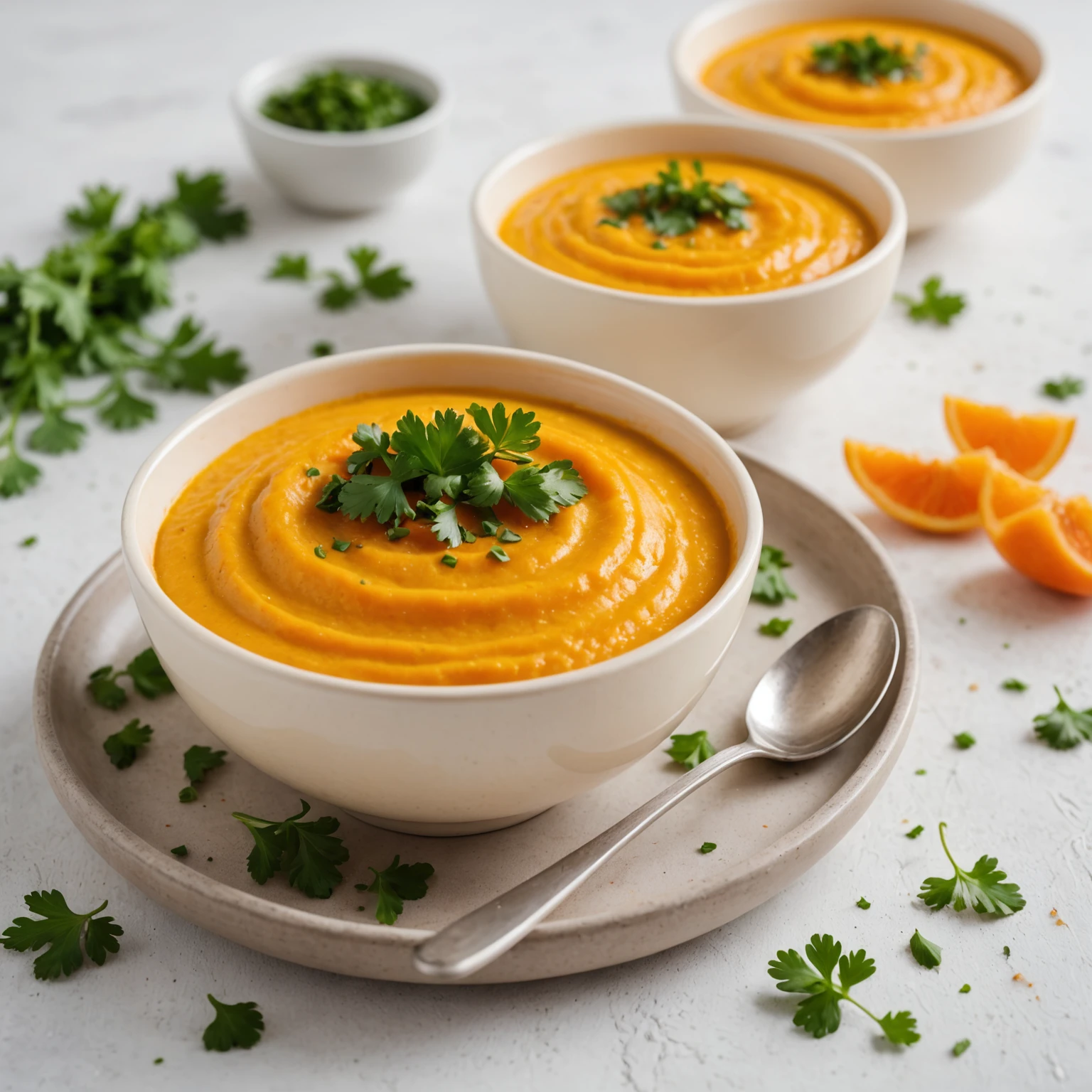
- Batch Cooking and Freezing: Prepare protein- and practical meals like lentil-spinach meatballs or creamy purees in larger quantities, then freeze in toddler-sized portions for convenient, practical options.
- Choose Adaptable Recipes: Opt for meals that allow ingredient substitutions based on seasonal availability or specific dietary needs to maintain variety and ensure practical.
- Balance Every Meal: Aim to include a protein source, whole grain, and a fruit or vegetable to ensure well-rounded nutrient intake.
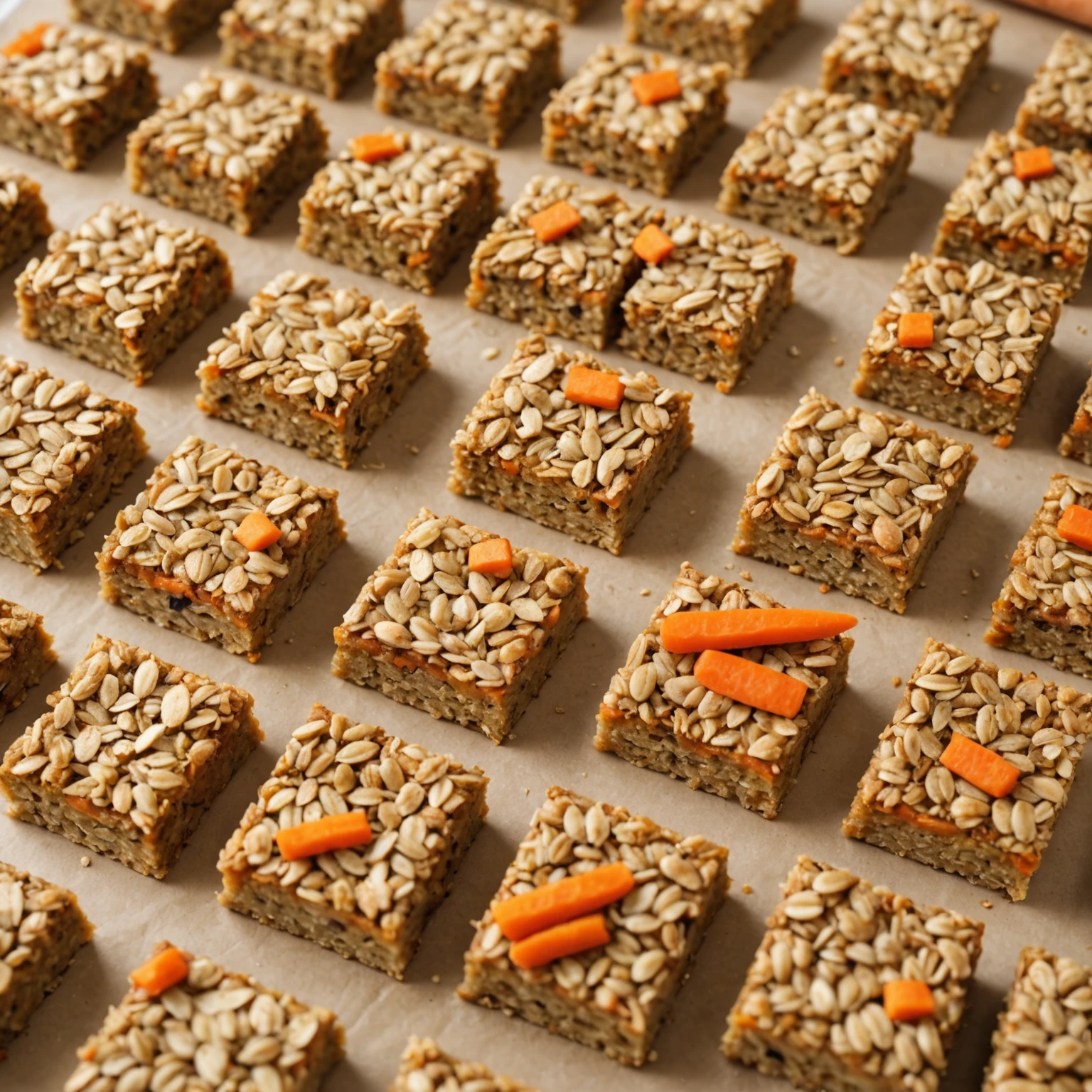
- practical, Allergy-Safe Snacks: Create snacks like lentil and pear mini cobblers or naturally sweetened oat bars that provide additional protein and iron without allergy risks.
Allergy-Conscious Recipe Inspirations from TinyTummyTreats
Explore practical, protein- and practical recipes specifically designed for toddlers:
- Creamy Avocado and Pea Puree with a Hint of Basil: Combines practical peas and fats in a smooth texture ideal for early finger food stages.
- practical Lentil and Spinach Toddler Meatballs: Plant-based meatballs packed with essential nutrients, perfect for lunch or snacks.
- Sweet Potato and Apple Toddler Pancake Stacks with Cinnamon Maple Drizzle: Naturally sweet and comforting, blending fruits and vegetables with appealing toddler textures.
- Soft Lentil and Pear Toddler Mini Cobblers: Finger-friendly treats combining protein, iron, and fruit sweetness.
Conclusion
Ensuring toddlers meet their protein and iron needs on a practical diet is achievable through intentional ingredient selection and thoughtful feeding practices. Incorporating legumes, whole grains, and practical vegetables, paired with patient exploration of new flavors and textures, supports practical growth, development, and positive mealtime experiences.
Leveraging allergy-aware recipes and strategic meal planning empowers parents to provide balanced, practical nutrition that respects dietary restrictions while promoting toddler well-being.