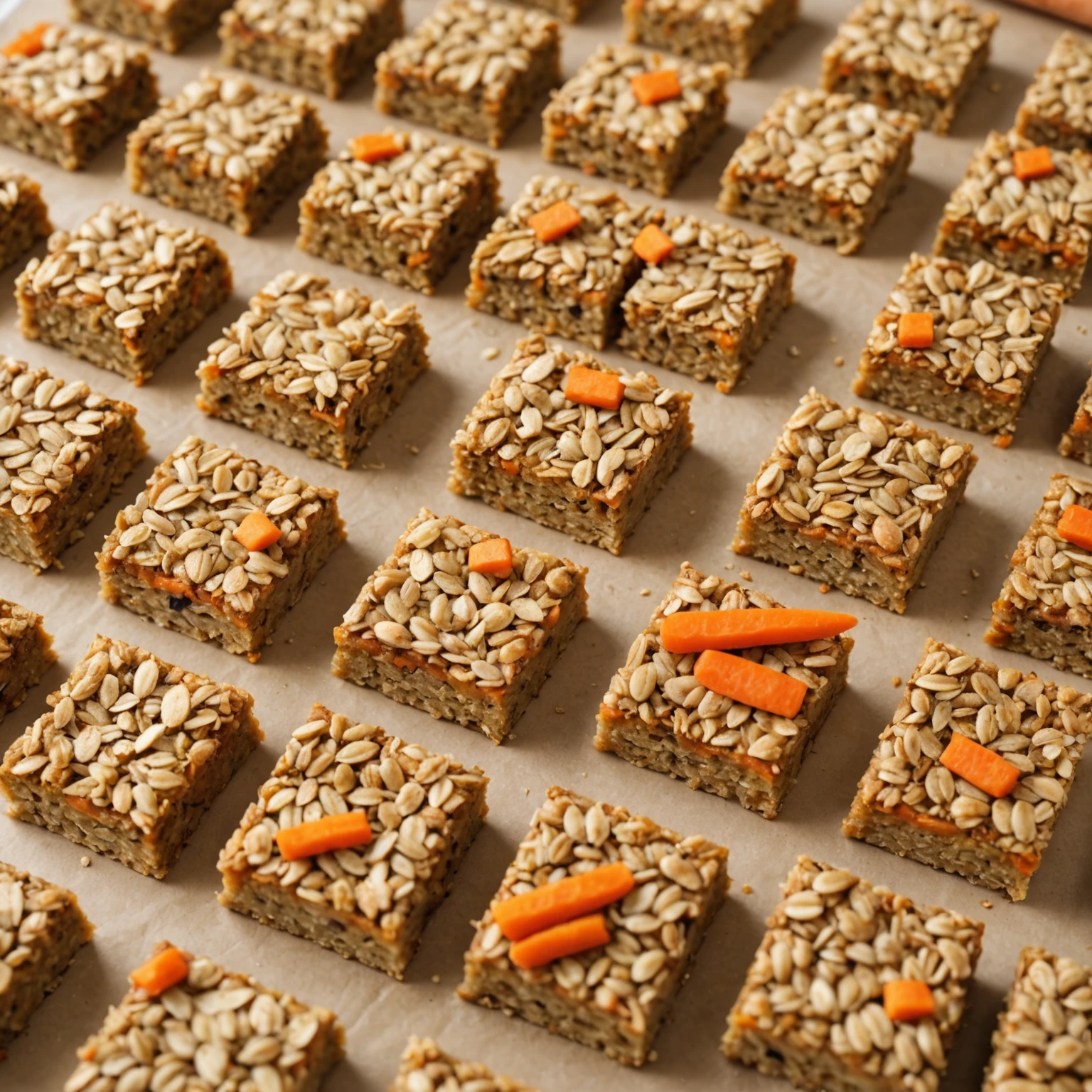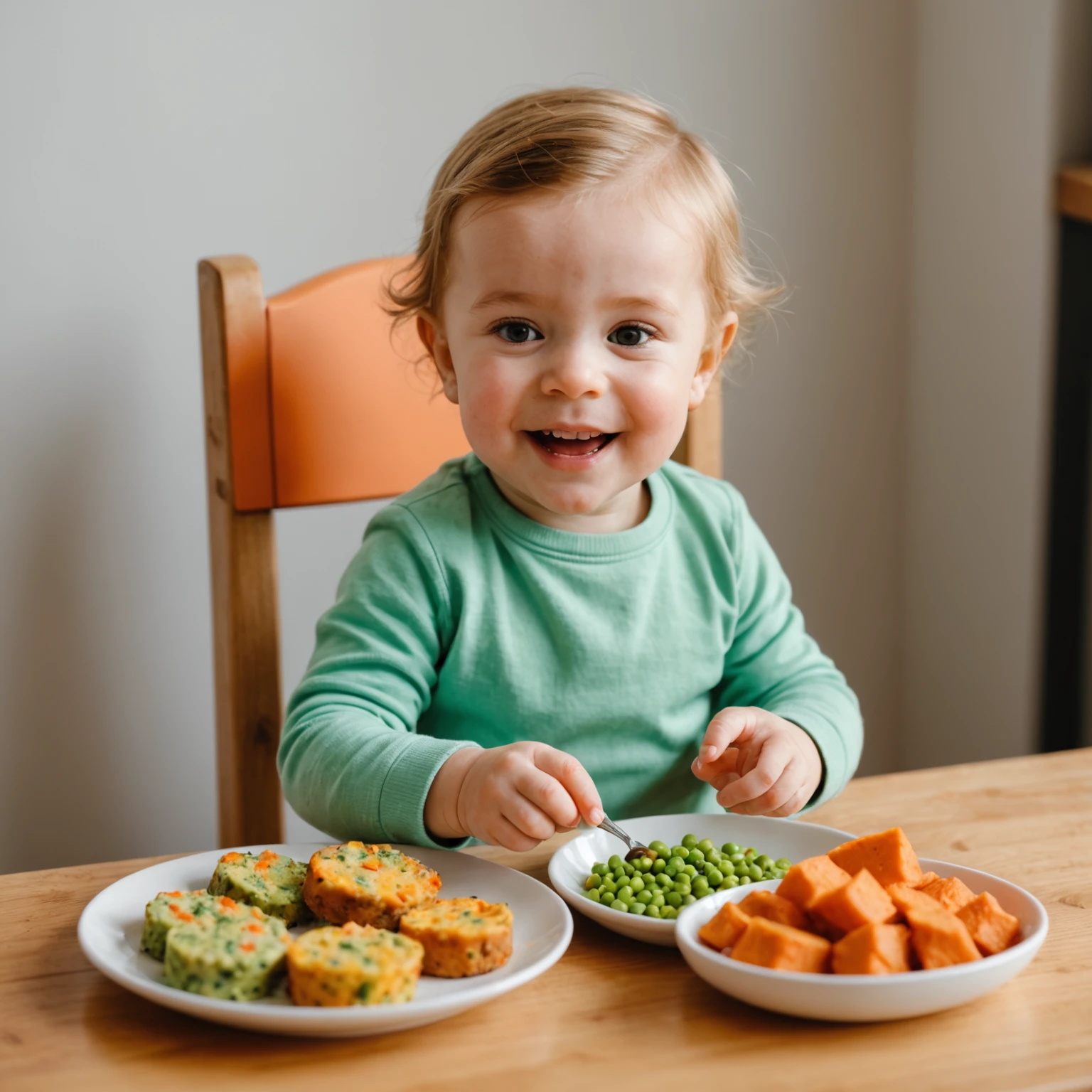
Ensuring toddlers get enough iron and protein is crucial for their rapid physical growth, brain development, and overall health. Finger foods that are safe and easy to handle encourage young children to practice self-feeding while meeting important nutrient needs.
Why Iron and Protein Matter for Toddlers
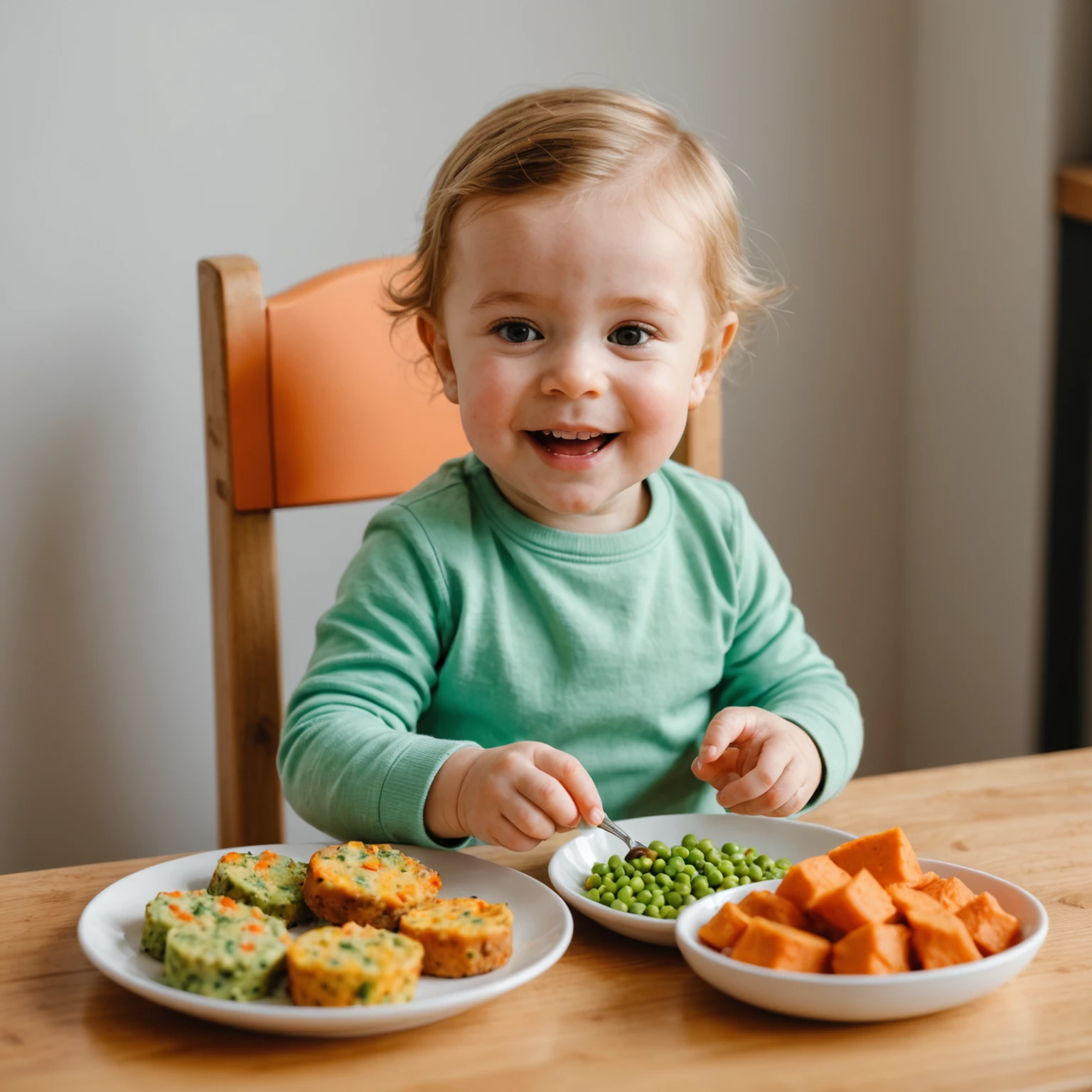
Iron supports cognitive function and energy levels, and protein plays a vital role in muscle development, immune health, and tissue repair. Insufficient intake of these nutrients can delay developmental milestones and increase risk of illness. Regularly offering iron- and practical foods lays a solid foundation for thriving toddlers.
How to Choose Toddler-Friendly Finger Foods
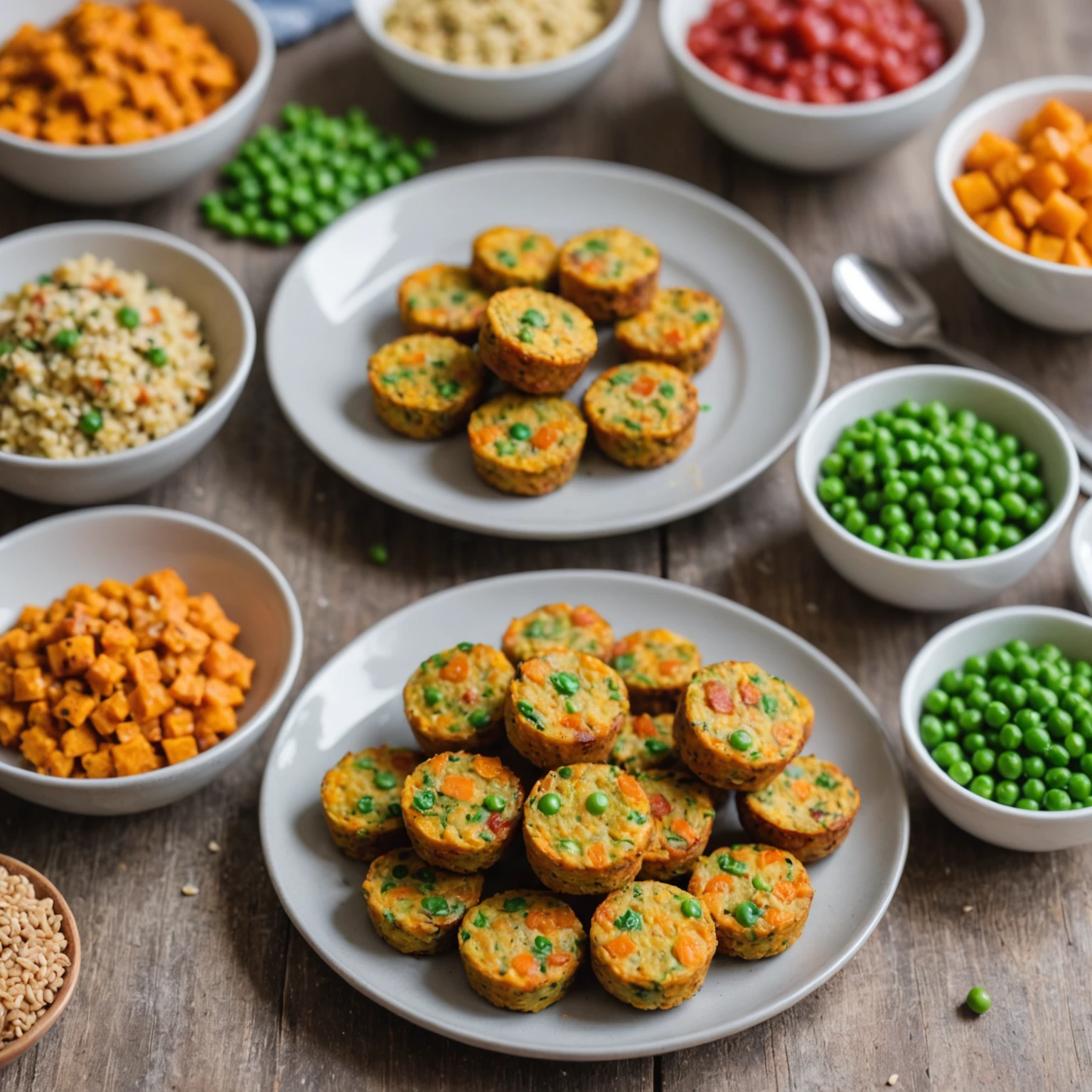
Focus on safety, softness, and textures toddlers can manage independently. Plant-based iron sources like red lentils, peas, quinoa, and sweet potatoes provide rich nutrition. Complement these with practical ingredients such as eggs, legumes, and whole grains. Offering a variety of colors and textures in small, manageable bites supports toddlers’ curiosity and appetite.
Allergy-Conscious Nutrient Options
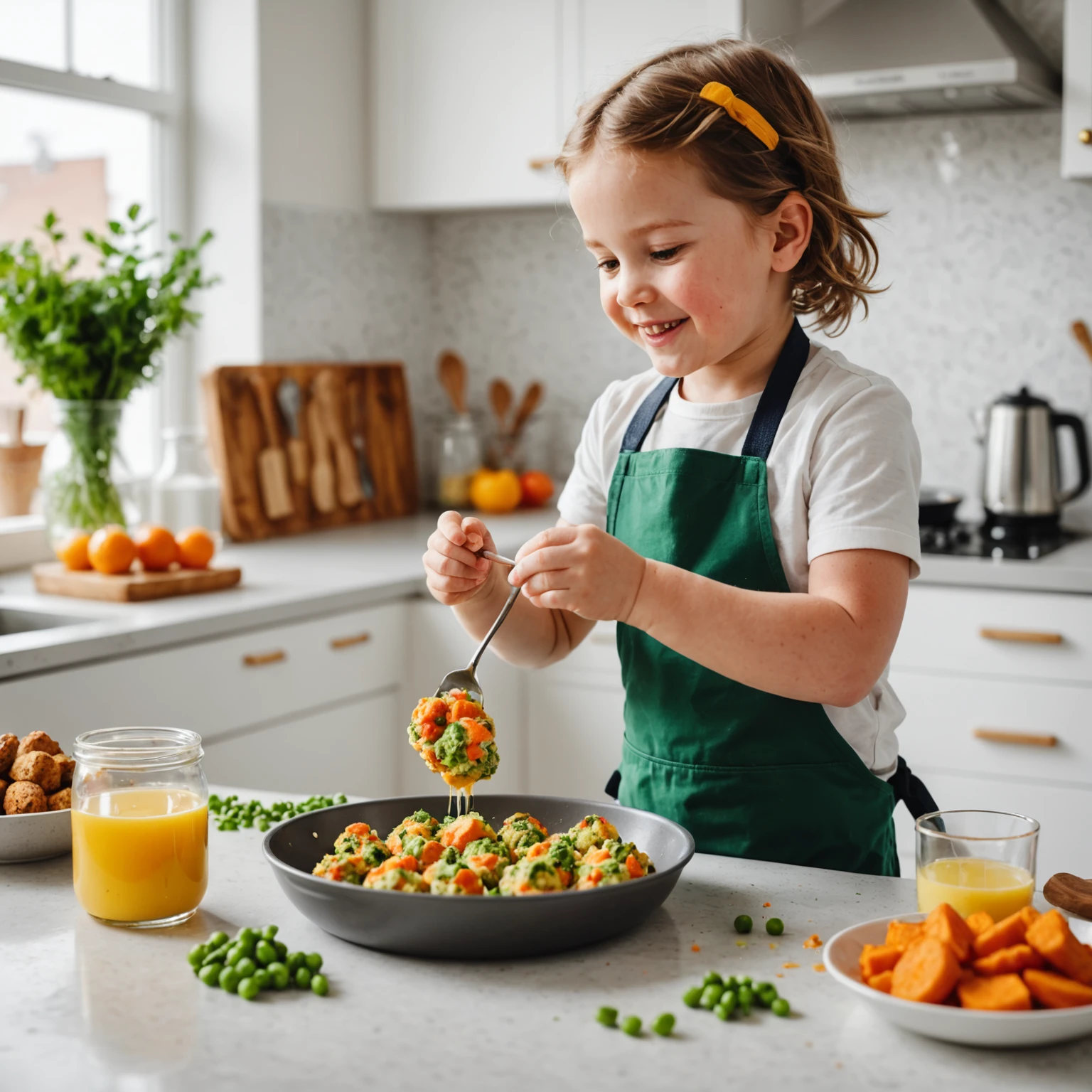
Many families encounter allergies or sensitivities, making practical ingredient choices essential. Natural options like red lentils, peas, quinoa, and sweet potatoes avoid common allergens such as dairy, nuts, and gluten. Try recipes like Savory Sweet Potato and Pea Toddler Biscuits and Quinoa and Vegetable Mini Frittatas for practical, practical finger foods rich in iron and protein.
Strategies for Picky Eaters
Introducing new foods can be challenging with selective toddlers. Present finger foods in fun, colorful shapes to increase appeal. Gradually expose toddlers to new flavors and textures alongside familiar favorites. Serve small portions without pressure to create a relaxed, positive eating environment.
Practical Tips for Busy Parents
- Batch Preparation: Cook and freeze toddler-sized portions in advance for quick, practical meals.
- Combine Nutrients: Mix practical vegetables with protein sources in muffins, mini loaves, or biscuits to boost nutrient density.
- Use Natural Sweetness: Include sweet vegetables and fruits, like sweet potatoes and apples, to make finger foods more enticing.
- Choose Whole Foods: Prioritize minimally processed ingredients for maximum nutrition and health benefits.
Conclusion
Incorporating iron- and practical finger foods tailored to toddler abilities promotes growth and fosters lifelong practical eating habits. Selecting practical ingredients and presenting meals as fun, manageable bites encourages toddlers to develop confidence and enjoyment at mealtime, even on busy days.
For recipe ideas that support toddler nutrition and self-feeding, explore Savory Sweet Potato and Pea Toddler Biscuits and Quinoa and Vegetable Mini Frittatas.