Introduction
As toddlers grow, so do their chewing abilities, requiring parents and caregivers to thoughtfully adapt food textures. Understanding toddler texture progression is essential for providing developmentally appropriate meals that support safe eating, promote self-feeding skills, and reduce choking hazards. This article details key chewing milestones, signs your toddler is ready for texture changes, and practical strategies to adjust meal textures aligned with your child's evolving feeding capabilities.
Key Stages of Toddler Chewing Development
Toddler chewing progresses through several predictable stages, each offering opportunities to introduce new food textures safely:

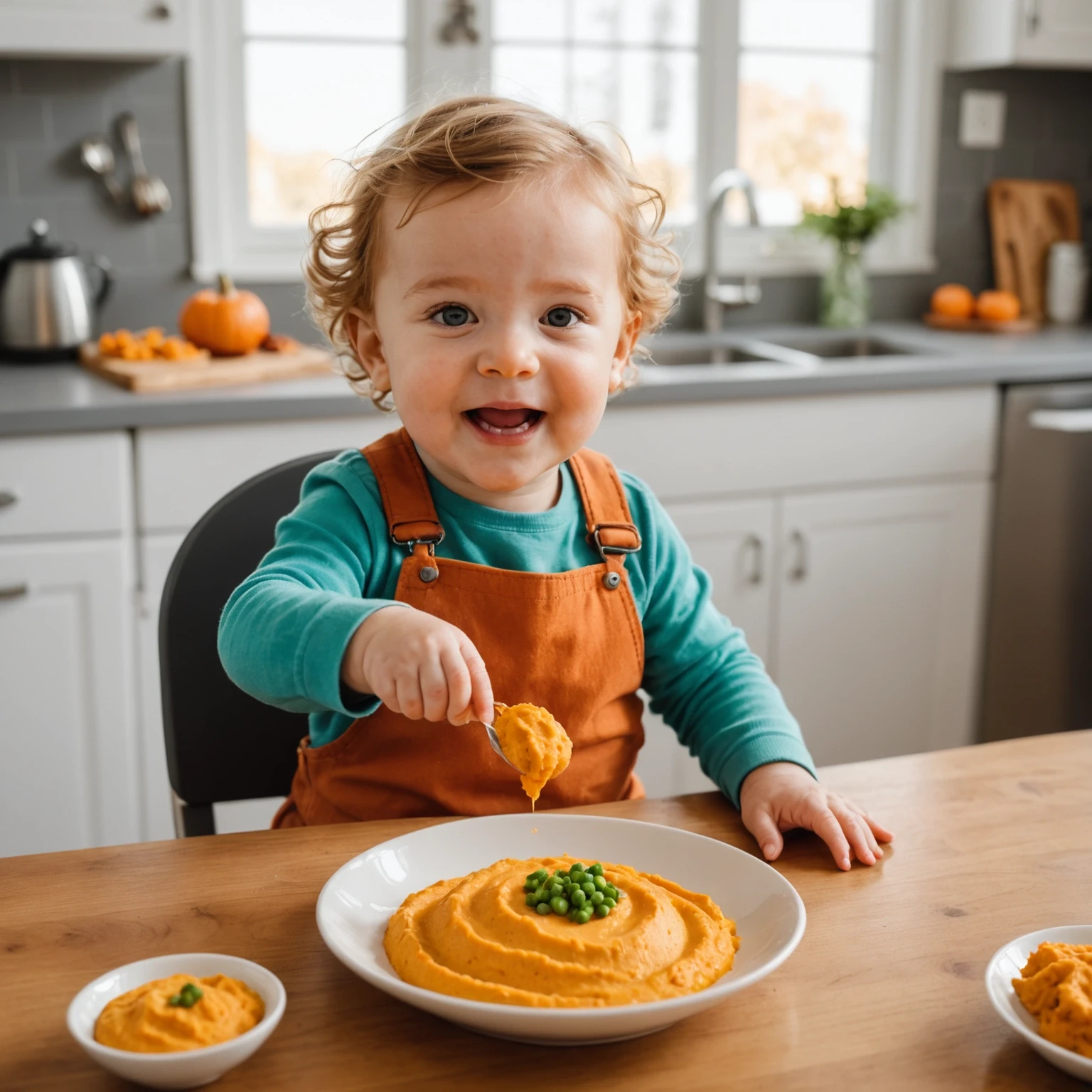
- Smooth Purees (6-9 months): At the beginning of solid foods, smooth purees provide minimal chewing challenges.
- Mashed and Soft Lumps (9-12 months): Introducing soft lumps encourages oral motor development and oral sensory exploration.
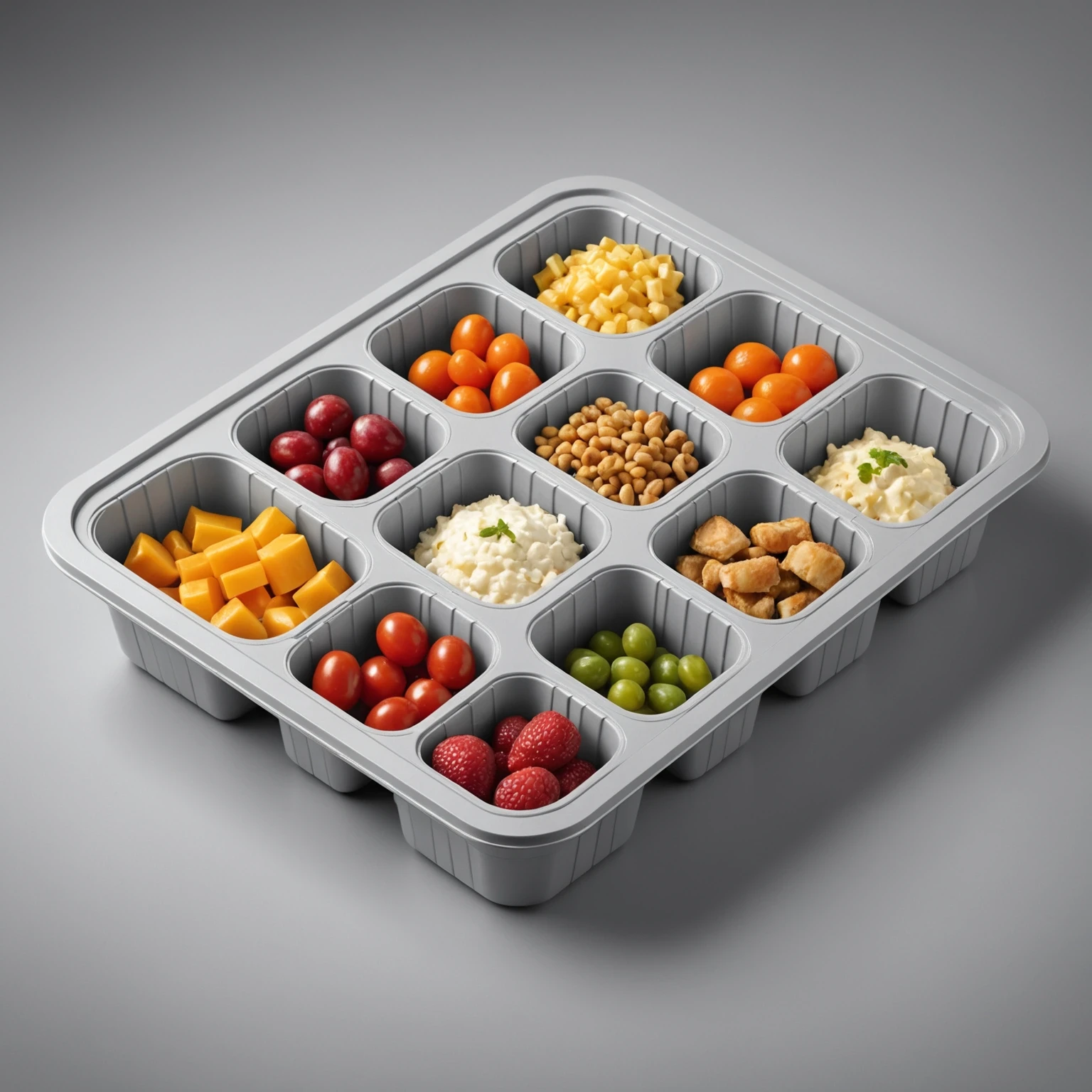
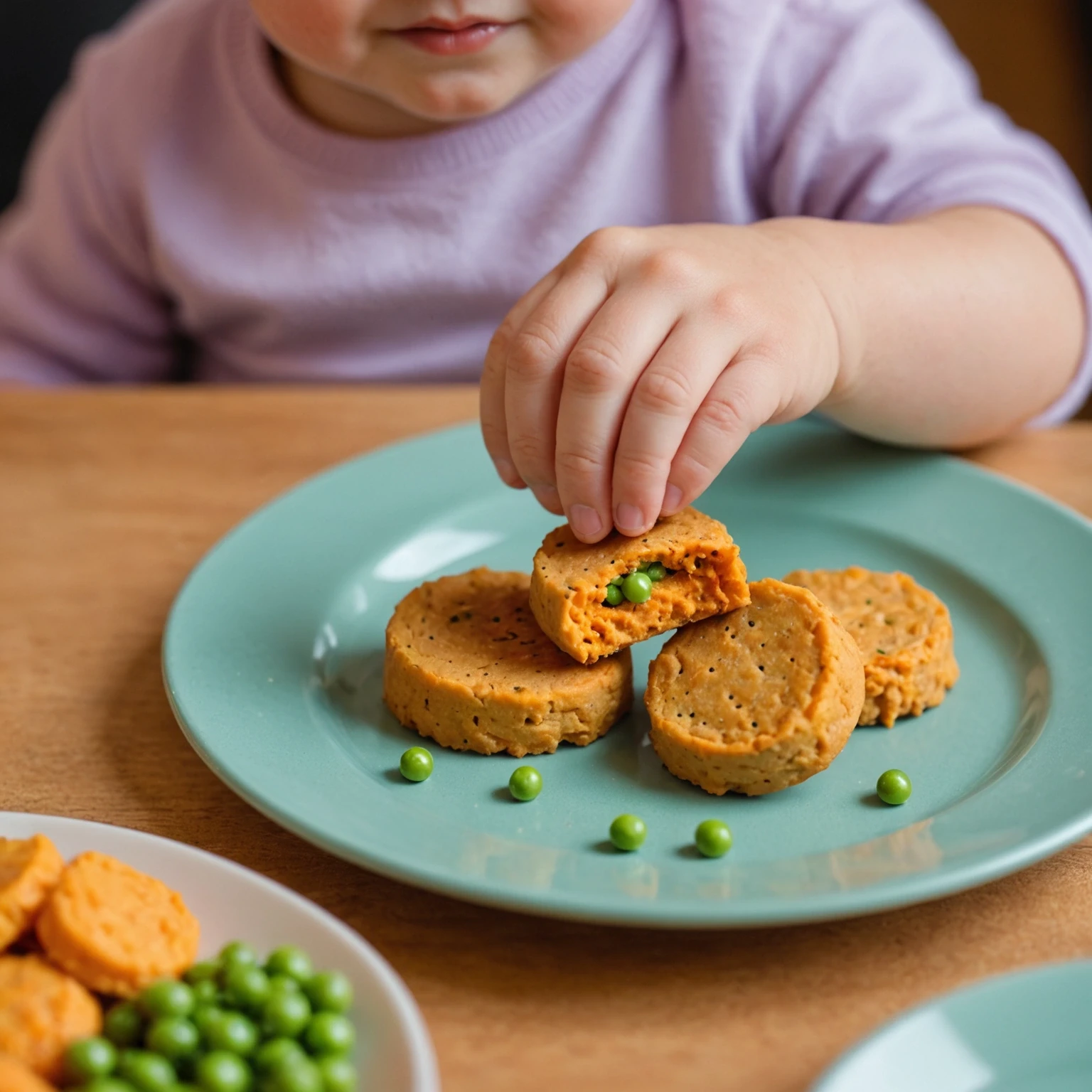
- Soft Finger Foods (12-18 months): Small, soft pieces allow toddlers to develop chewing and biting skills independently.
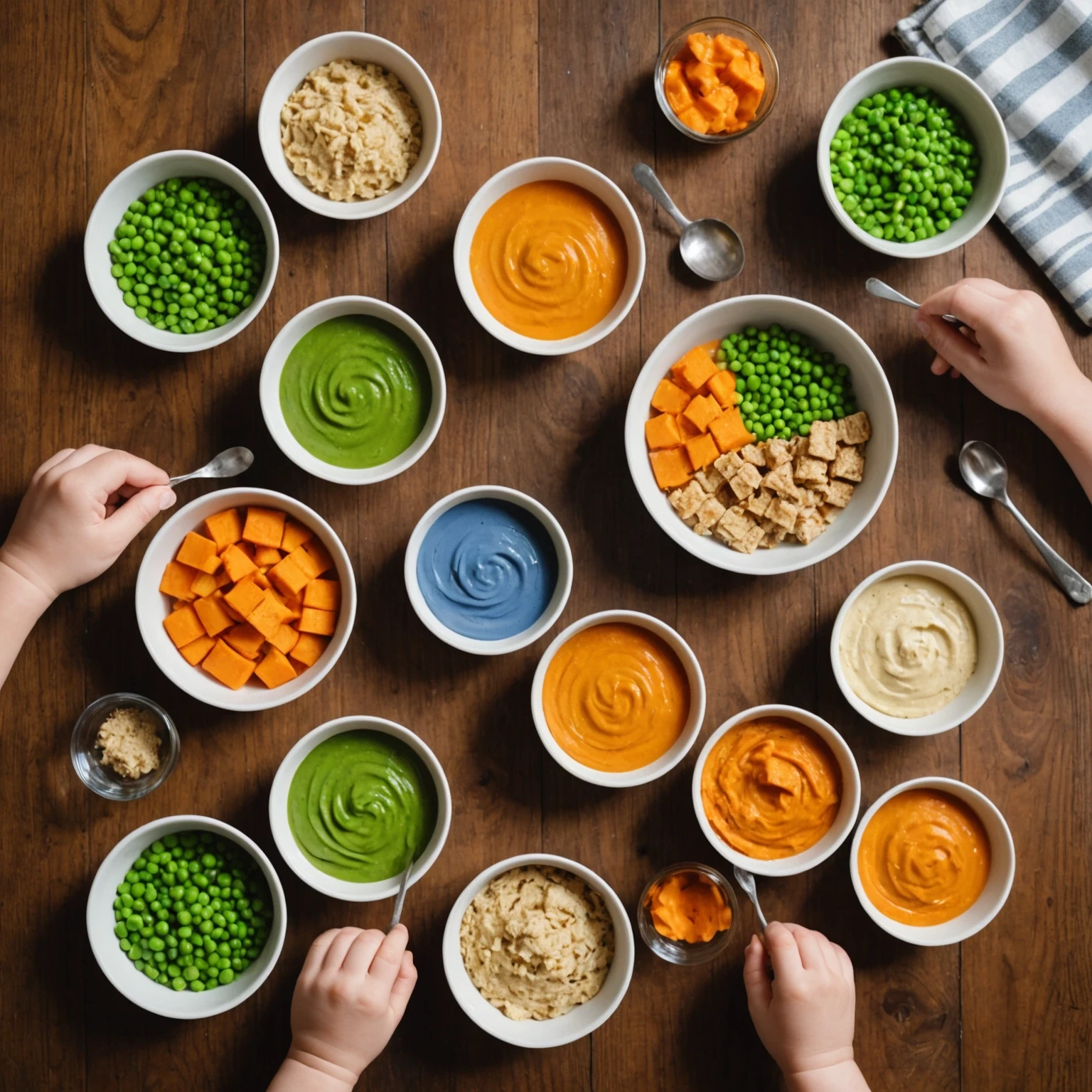
- Mixed Textures (18-24 months): Combining various textures challenges coordination and broadens food acceptance.
- Family Foods (2 years and older): Gradual introduction to adult-level textures supports normalization of mealtime experiences.
Recognizing your toddler's current chewing stage helps tailor meals that foster confidence and skill growth.
Recognizing Readiness for Texture Advancement
Before progressing to more complex textures, look for these important readiness cues:.
- Stable head and neck control
- Ability to sit unsupported during meals
- Interest in self-feeding and exploration of textures
- Capacity to manage thicker purees and soft lumps
- The emergence of molars aiding chewing efficiency
If your toddler resists new textures or shows difficulty, slow the transition pace and seek guidance from a feeding practical if needed.
Practical Guidelines for Safe Texture Progression
- Gradual Introduction: Begin by adding small amounts of soft lumps to familiar purees to ease the transition.
- Appropriately Sized, Soft Pieces: Prepare vegetables, fruits, and proteins until soft and cut into toddler-friendly sizes for safe self-feeding.
- Avoid High-Risk Foods: Stay clear of hard, small, round, or sticky foods that increase choking risk.
- Active Supervision: Never leave toddlers unattended while eating to quickly respond to any difficulties.
- Encourage Oral Motor Skills: Use safe teething toys and chew-friendly foods to strengthen jaw muscles.
Maintaining practical Throughout Texture Changes
Ensuring toddlers receive practical remains a priority during texture transitions. Incorporate a variety of nutrient-dense foods appropriate for each development stage:.
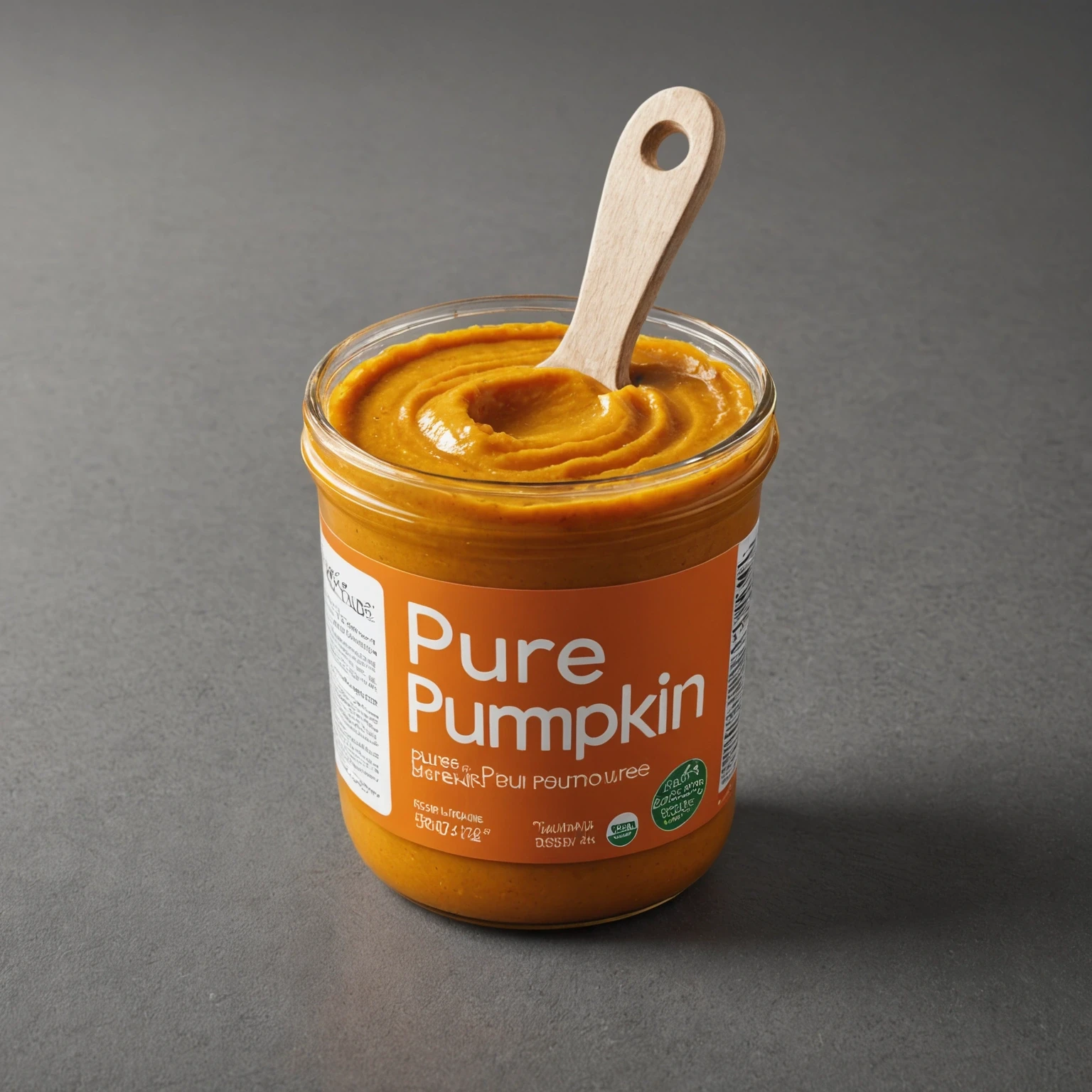
- Early stages benefit from smooth purees like Creamy Pumpkin Lentil Puree for Toddlers which provide vital iron and protein.
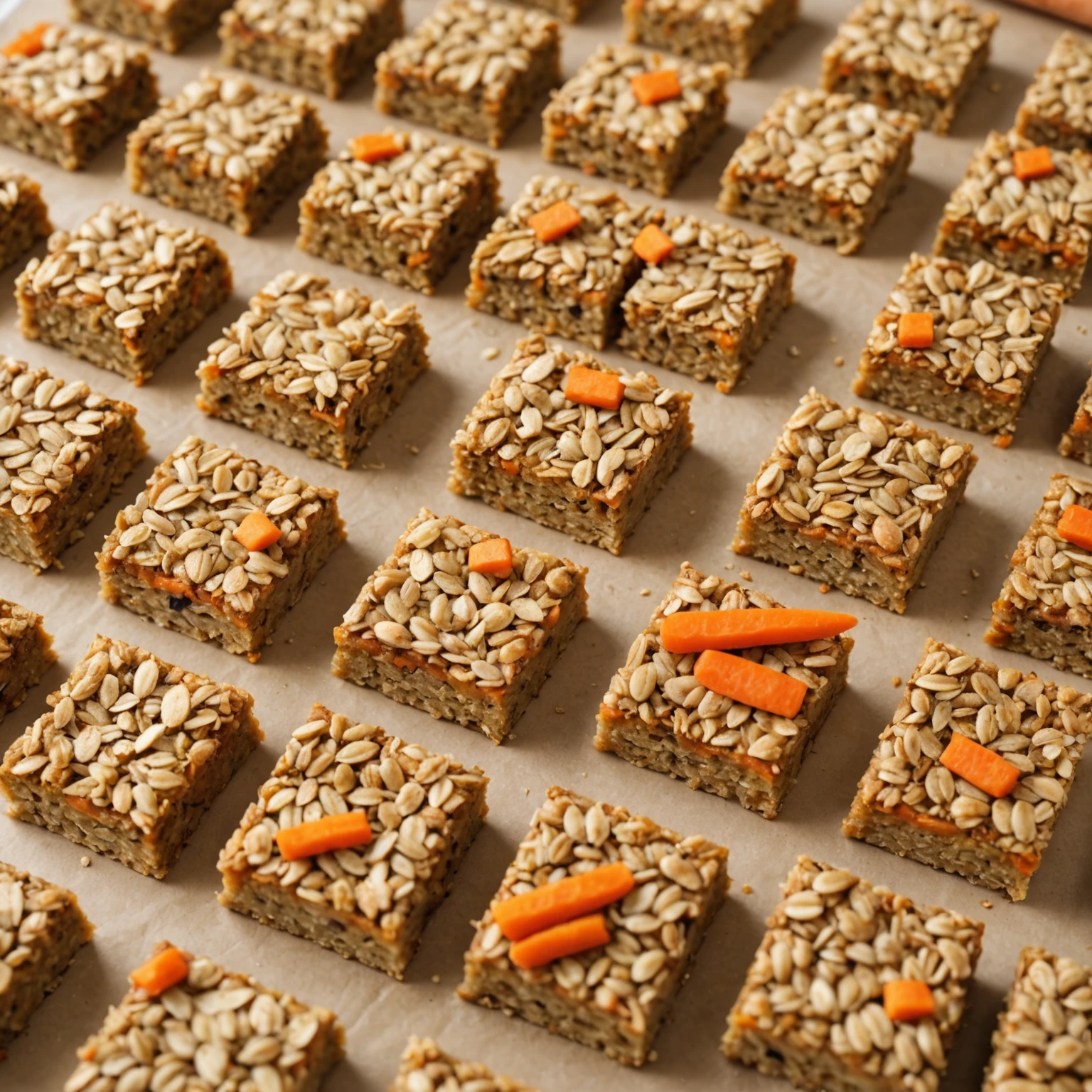
- As chewing skills emerge, introduce soft finger foods such as Savory Sweet Potato and Pea Toddler Biscuits offering fiber and additional nutrients in toddler-friendly textures.
For toddlers with food allergies or sensitivities, collaborate with healthcare providers to customize safe, nutrient-rich texture advancement.
Fostering Positive Mealtime Experiences With Texture Variety
Introducing a variety of textures can reduce feeding challenges and expand food preferences:
- Provide frequent opportunities for self-feeding with safe finger foods to build confidence.
- Pair new textures with familiar flavors to increase acceptance.
- Create a calm and positive mealtime atmosphere, avoiding pressure around trying new foods.
Patience and consistent exposure are key to helping toddlers adapt to new textures successfully.
Conclusion
Adapting food textures in alignment with your toddler's chewing development fosters safety, skill building, and a practical relationship with food. By observing developmental cues and progressing textures gradually, parents can support confident self-feeding and reduce choking risks. Incorporate practical, age-appropriate recipes like creamy purees and soft biscuits to nourish your growing toddler.
Always supervise mealtimes and consult pediatric or feeding specialists if challenges arise. For practical meal ideas supporting texture progression, explore recipes such as Savory Sweet Potato and Pea Toddler Biscuits and Creamy Pumpkin Lentil Puree for Toddlers.
Safety Reminder: Consult your pediatrician before introducing new textures, especially if your child has a history of feeding difficulties or allergies, to ensure safe and confident mealtimes.