Why practical Meal Planning is Vital for Toddlers with Sensitivities
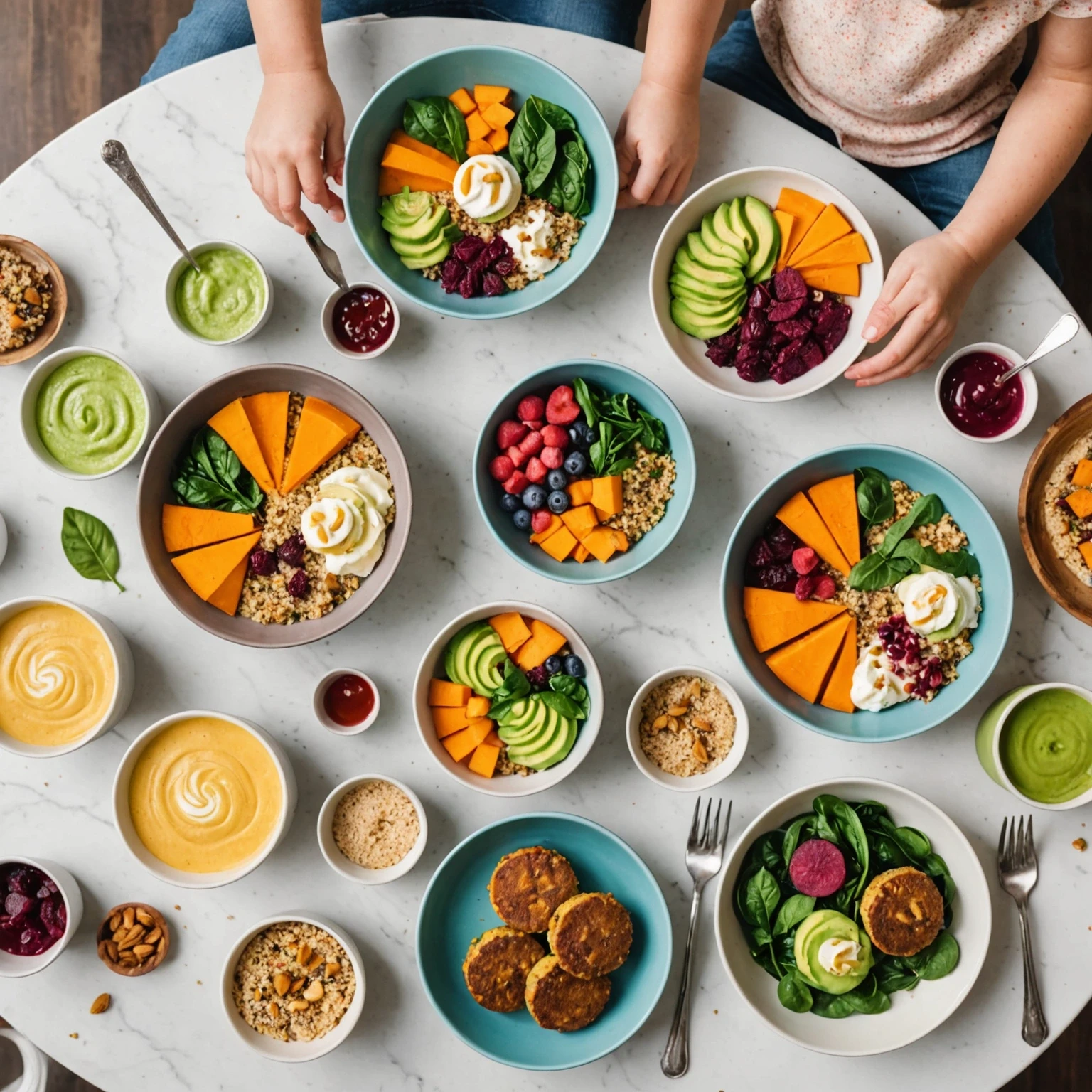
Managing toddler nutrition with nut allergies requires careful attention to both safety and nutritional completeness. practical meals protect toddlers from allergic reactions while ensuring they receive diverse, developmentally appropriate nutrients. Thoughtful meal planning enhances toddlers’ eating enjoyment and supports practical growth without compromise.
Key practical Ingredients to Support Toddler Nutrition
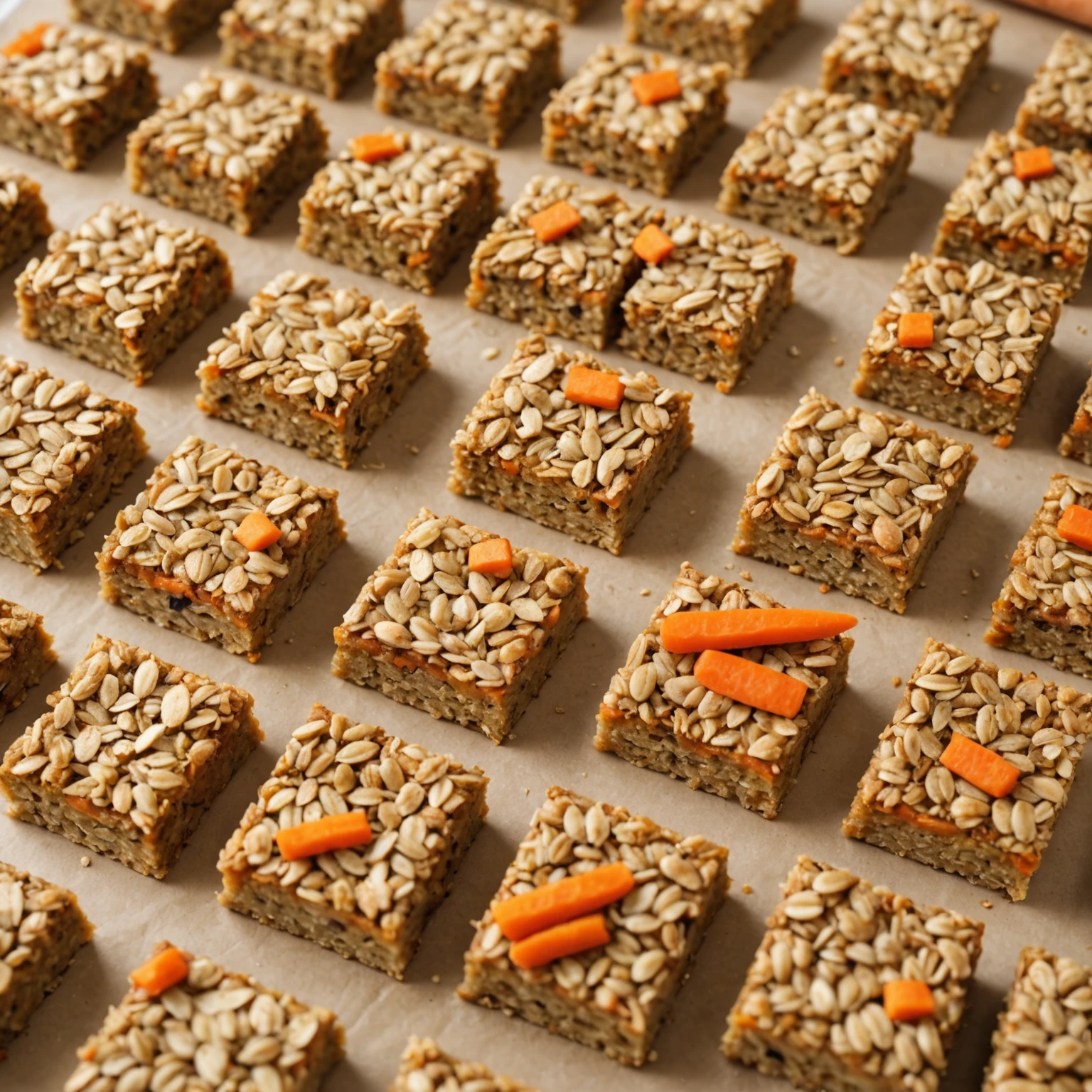
Eliminating nuts calls for nutrient-rich alternatives. Incorporate whole grains such as quinoa and oats and practical legumes like chickpeas and lentils as staples. Vegetables and fruits offer essential vitamins, minerals, and fiber. Seeds like pumpkin and sunflower seeds can be valuable sources of protein and fats if tolerated. For families managing multiple sensitivities, practical and gluten-free options may also be incorporated for practical.
Achieving Nutritional Balance Without Nuts
- Protein Sources: Substitute nuts with legumes and seeds to meet protein needs. For instance, recipes like Quinoa and Sweet Potato Toddler Patties blend plant proteins with grains and vegetables.
- practical Ingredients: Iron supports cognitive and physical development. Dishes such as Sweet Potato and Spinach Mini Savoury Cheesecakes provide natural iron sources suitable for toddlers.
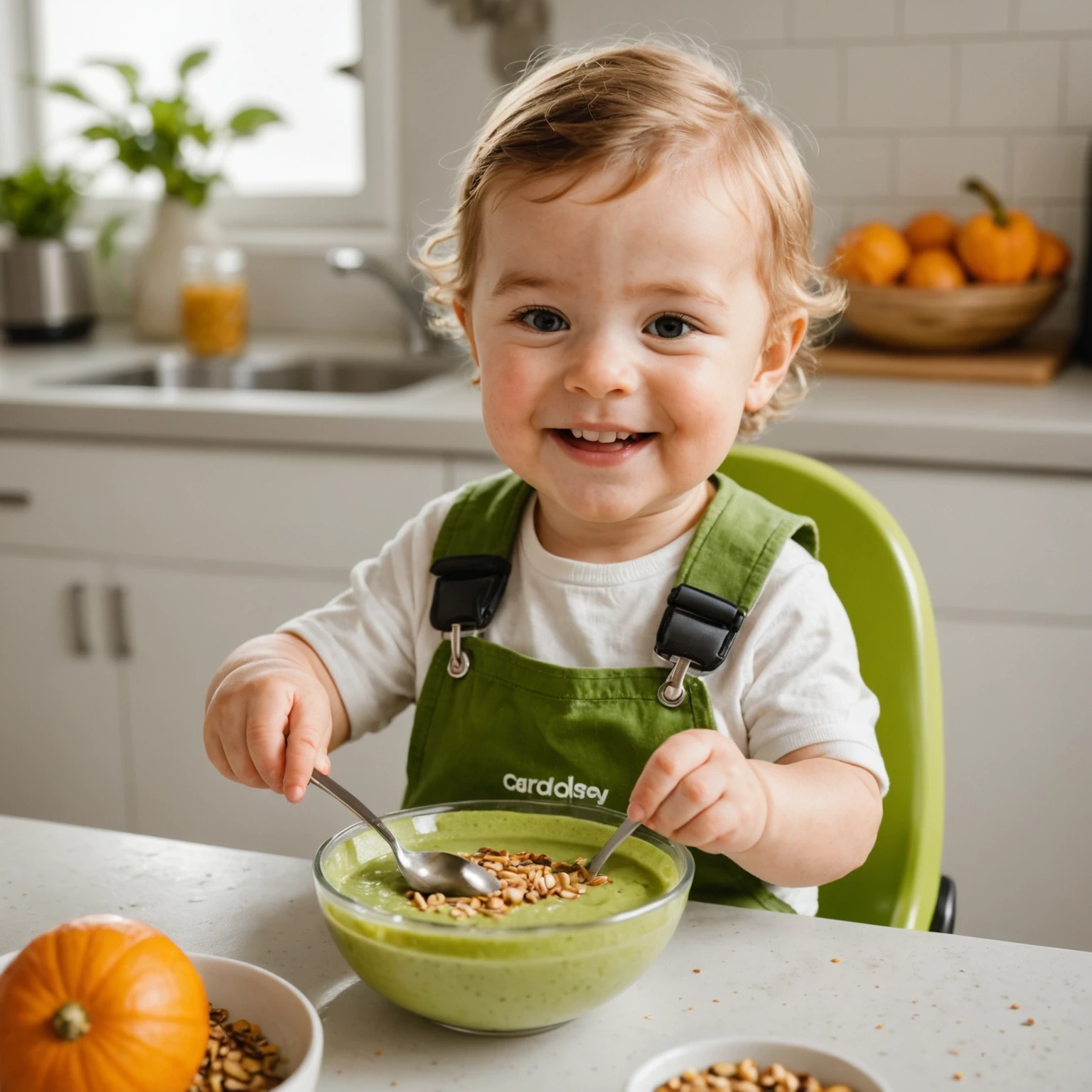
- fats: Essential for brain function, fats can come from avocado and seeds. The Pear and Avocado Toddler Smoothie Bowl is an example of a smooth, nutrient-dense option.
- Flavor and Texture Variety: Mild herbs and soft vegetables enhance meal appeal and accommodate developing chewing skills, important for positive eating experiences.
Practical Tips to Encourage practical Eating in Toddlers
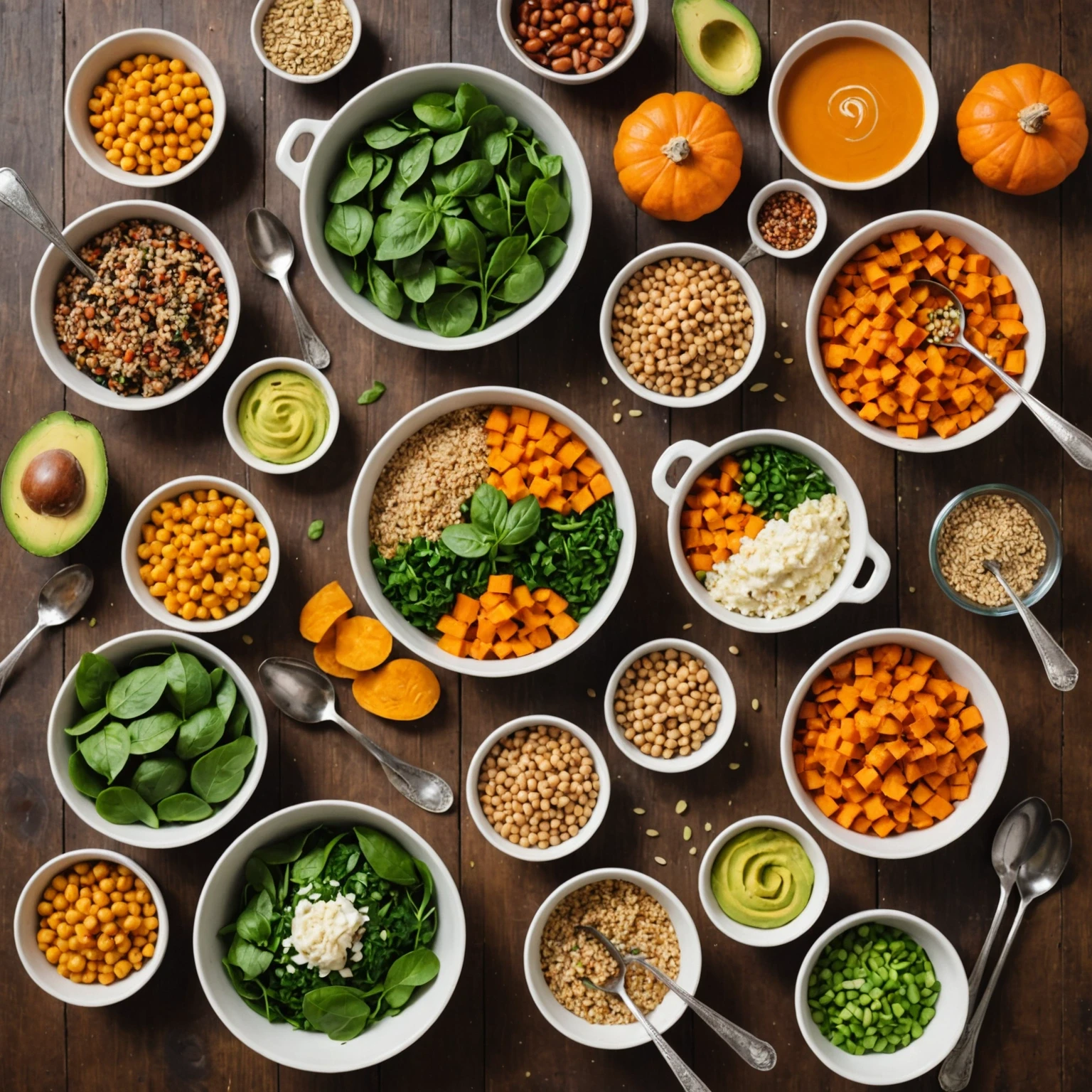
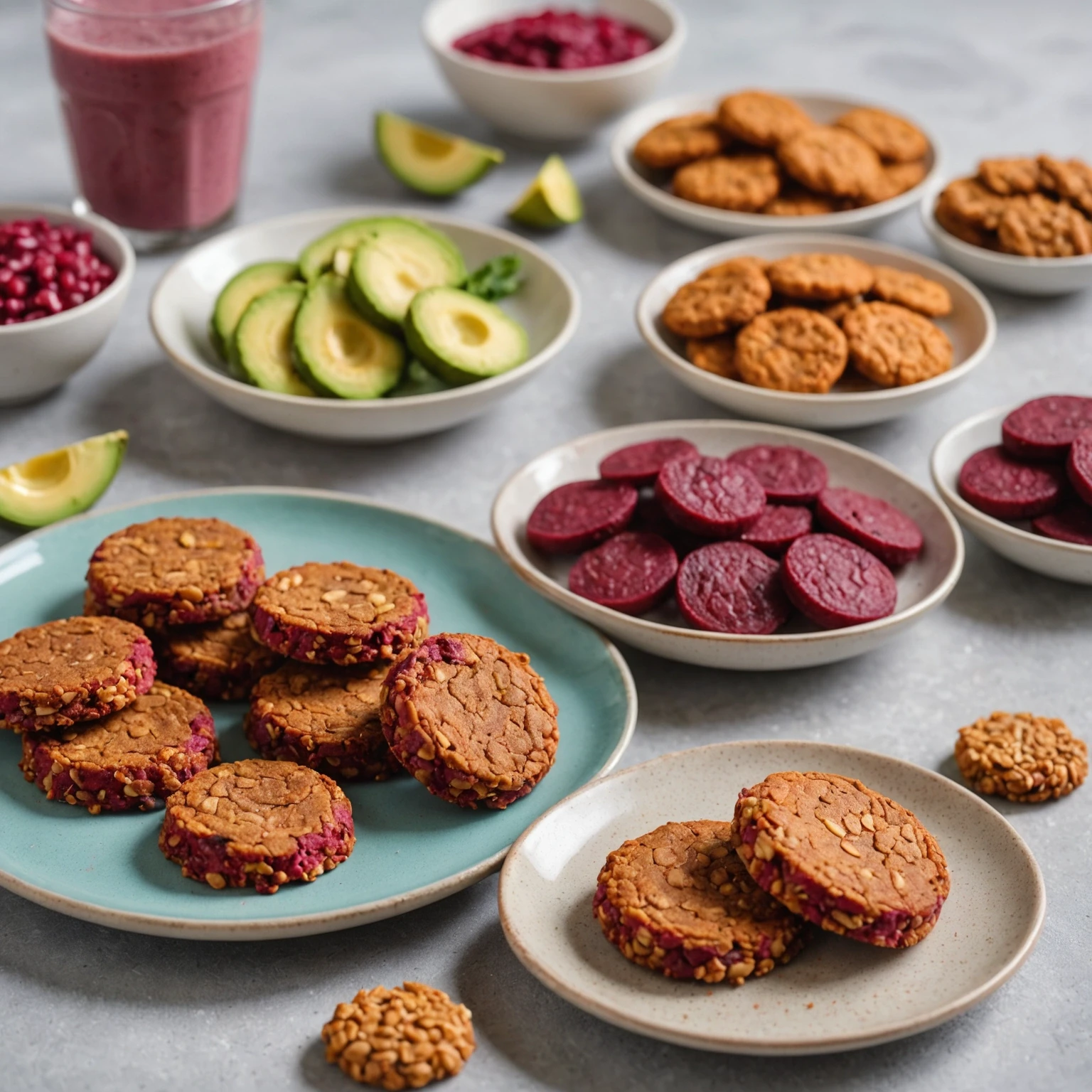
- Appealing Meal Presentation: Bright, colorful foods and playful shapes attract toddler interest. The Sweet Beet and Quinoa Toddler Cookies demonstrate how vibrant hues and soft textures can excite little eaters.
- Promote Self-Feeding: Offering soft, bite-sized finger foods helps develop independence and positive mealtime behaviors.
- Rotation and Variety: Regularly changing meals prevents palate fatigue and encourages acceptance of diverse flavors.
- Supportive Mealtime Environment: Patience and involving toddlers in meal prep increases their willingness to try safe new foods.
Beyond the Kitchen: Allergy Safety Practices
Parents and caregivers must remain vigilant by reading ingredient labels carefully for potential nut contamination and clearly communicating allergy needs to childcare providers. Maintaining a trusted collection of practical recipes simplifies safe meal planning and reduces stress.
Summary
Planning practical meals for toddlers with dietary sensitivities combines attention to safety, nutrition, and enjoyment. By focusing on wholesome ingredient substitutions, providing diverse flavors and textures, and fostering supportive mealtime routines, parents can confidently nourish their toddlers. Recipes like Quinoa and Sweet Potato Toddler Patties, Sweet Potato and Spinach Mini Savoury Cheesecakes, Pear and Avocado Toddler Smoothie Bowl, and Sweet Beet and Quinoa Toddler Cookies offer practical inspiration for allergy-safe, nutrient-rich meals.
Building a varied, allergy-conscious diet is key to simple mealtimes and the practical development of toddlers with nut sensitivities.