The Importance of practical Diets for Toddlers with Nut Allergies
Managing nut allergies in toddlers requires careful attention to prevent exposure and allergic reactions, which can range from mild to potentially life-threatening. Implementing a practical diet is crucial for maintaining toddler safety during mealtime. Alongside safety, ensuring that toddlers receive adequate nutrition to support their rapid growth and development remains a top priority. practical diets can still offer diverse, flavorful foods that encourage practical eating habits and minimize mealtime stress.
Key Considerations for practical Toddler Nutrition
When designing practical meal and snack plans, caregivers should prioritize the following:
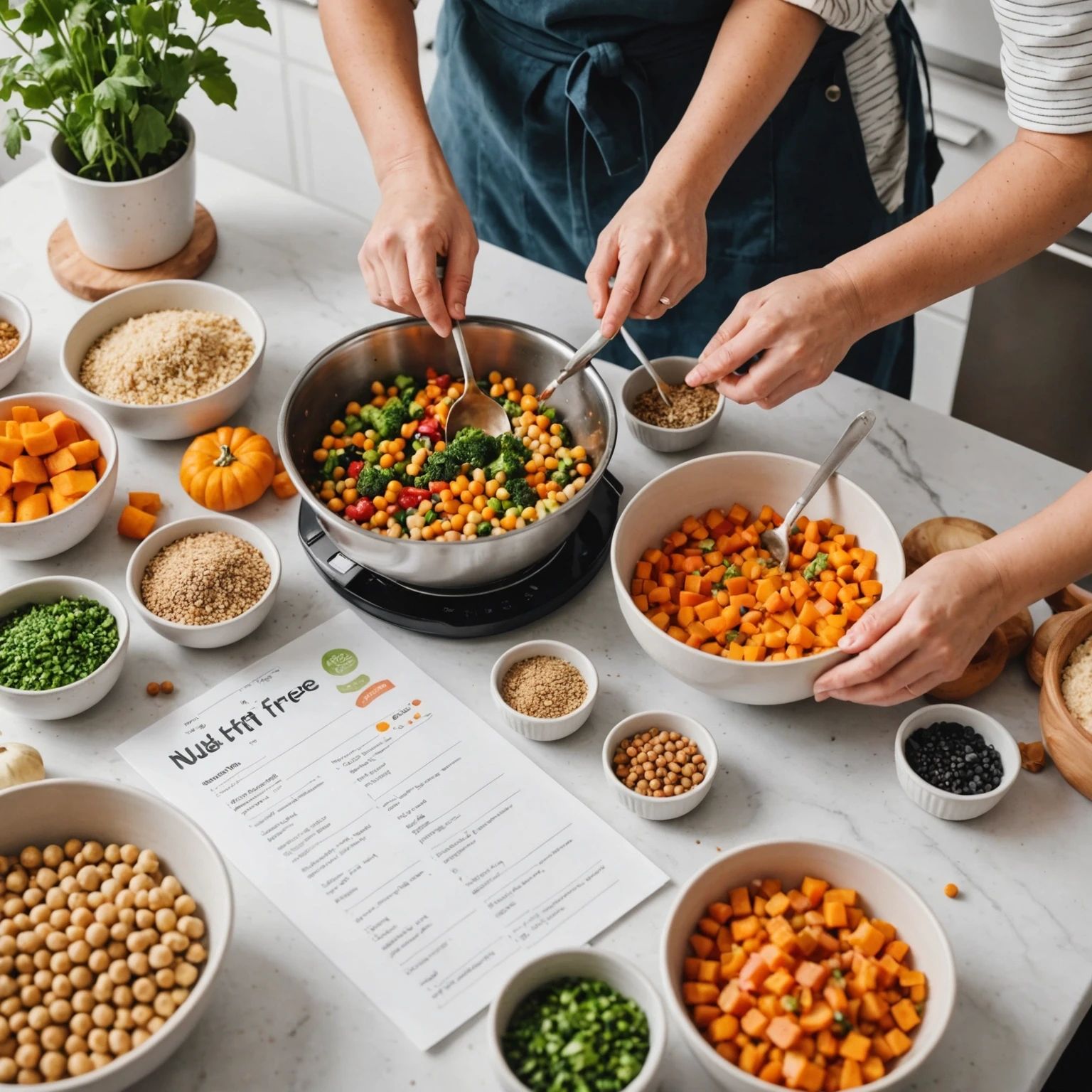
- Preventing Cross-Contamination: Rigorously inspect all ingredient labels and thoroughly clean cooking surfaces and utensils to avoid accidental nut exposure.
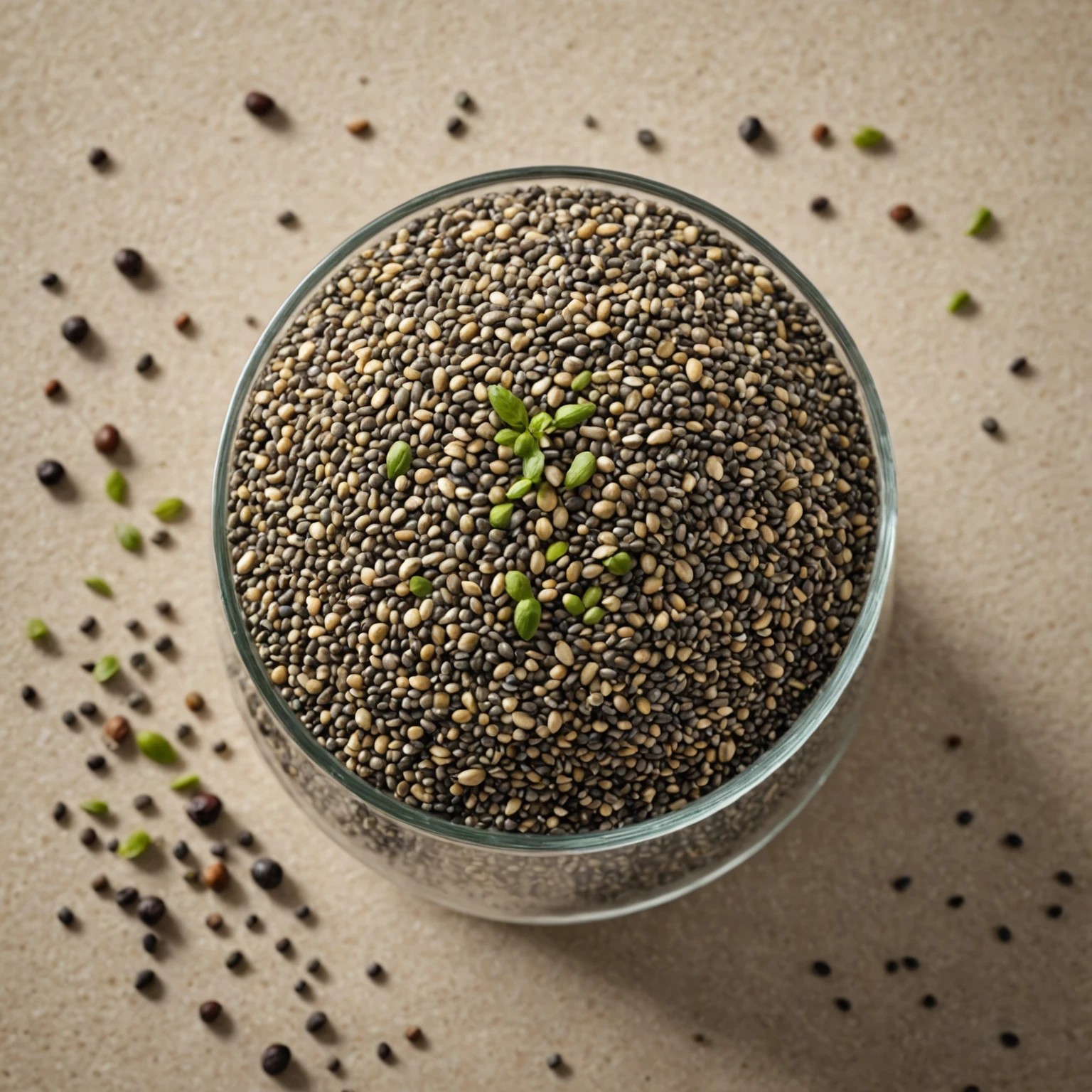
- Ensuring Nutrient Balance: Nuts typically provide protein, fats, vitamins, and minerals. Substitute with nutrient-rich alternatives such as seeds (chia, pumpkin, sunflower), legumes (lentils, chickpeas, beans), and whole grains to meet toddlers’ nutritional needs.
- Adapting Textures for Toddler Abilities: Offer soft, easy-to-chew foods that support toddlers’ developing chewing skills and promote independent self-feeding.
- Encouraging Flavor Variety: Introduce naturally sweet and gentle savory tastes to help toddlers develop a broad palate and enjoy mealtime.
Allergy-Safe Meal and Snack Ideas for Toddlers
Incorporate these allergy-conscious, nutrient-dense options that combine safety with toddler-appealing flavors and textures:
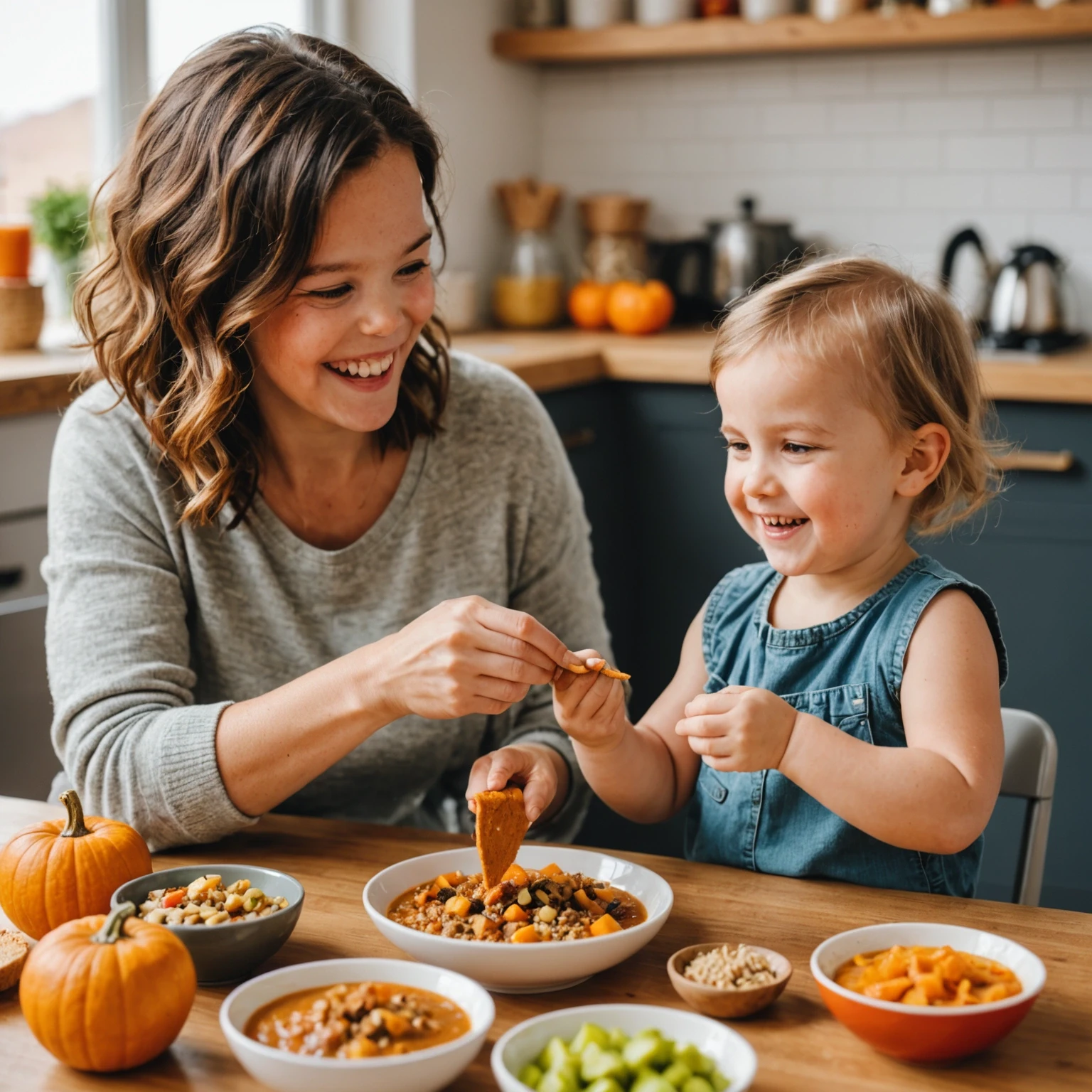
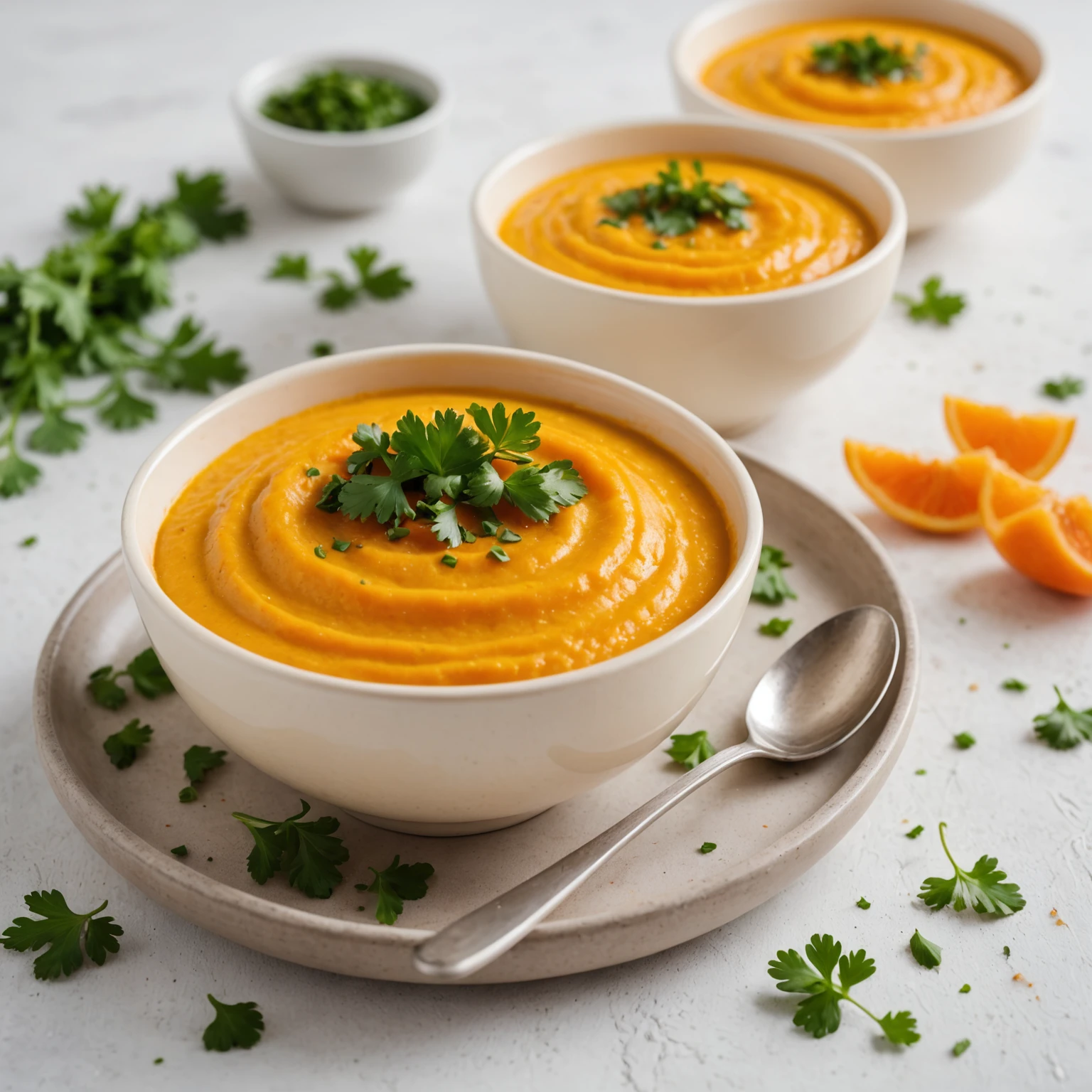
- Comforting practical Soups: Try the Spiced Chickpea and Pumpkin Lentil Soup for a warm, soft-textured meal packed with protein, fiber, and iron essential for practical toddler growth.
- Naturally Sweet Fruit Snacks: The Toddler-Friendly Baked Apple and Pear Fruit Leather offers a chewy, naturally sweet treat free of added sugars, perfect for on-the-go snacking.
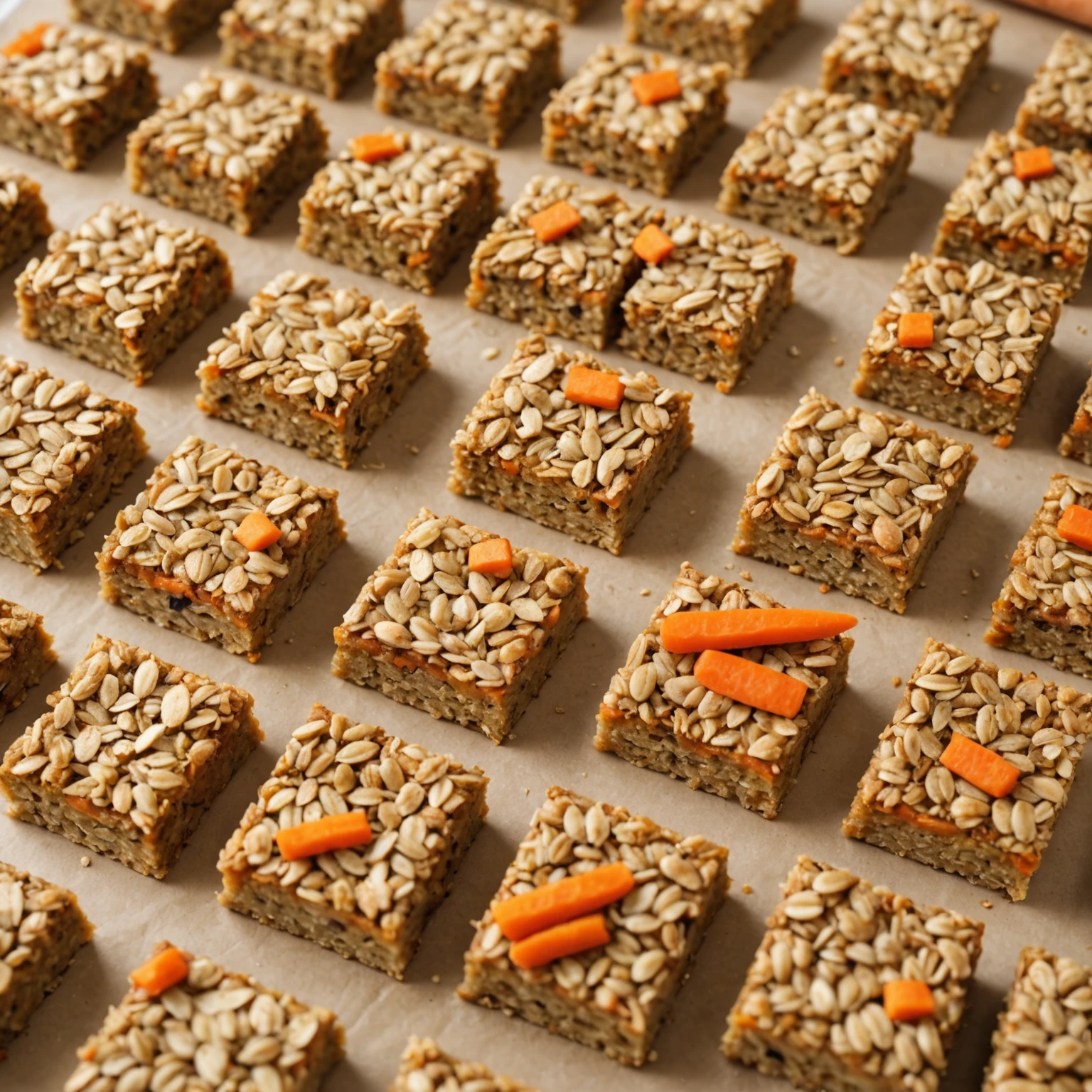
- Savory Bite-Sized Snacks: Savory Chickpea and Carrot Mini Biscuit Bites are easy-to-handle finger foods combining legumes and vegetables that support nutrient diversity.
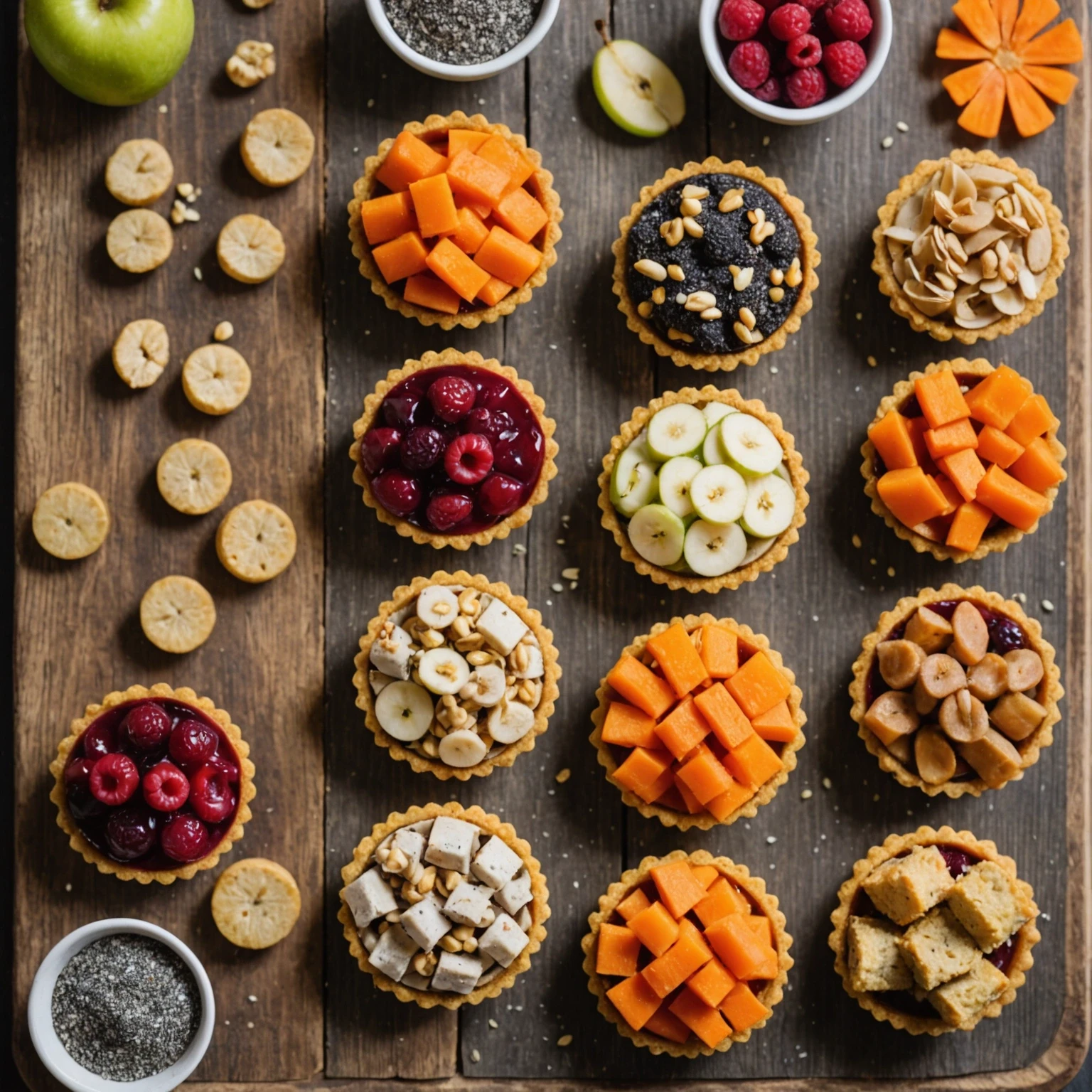
- Soft, Allergy-Conscious Desserts: Delight your toddler with Berry and Chia Seed practical Tartlets for Toddlers delivering antioxidants and omega-3 fatty acids in a tender texture.
Nutrient-Dense Alternatives to Maintain practical Meal Quality
Substitute nuts with these wholesome ingredients to sustain nutrient intake:
- Seeds: Chia, pumpkin, and sunflower seeds offer fats, protein, and key minerals.
- Legumes: Lentils, chickpeas, and beans provide plant-based protein and fiber that aid digestion and fullness.
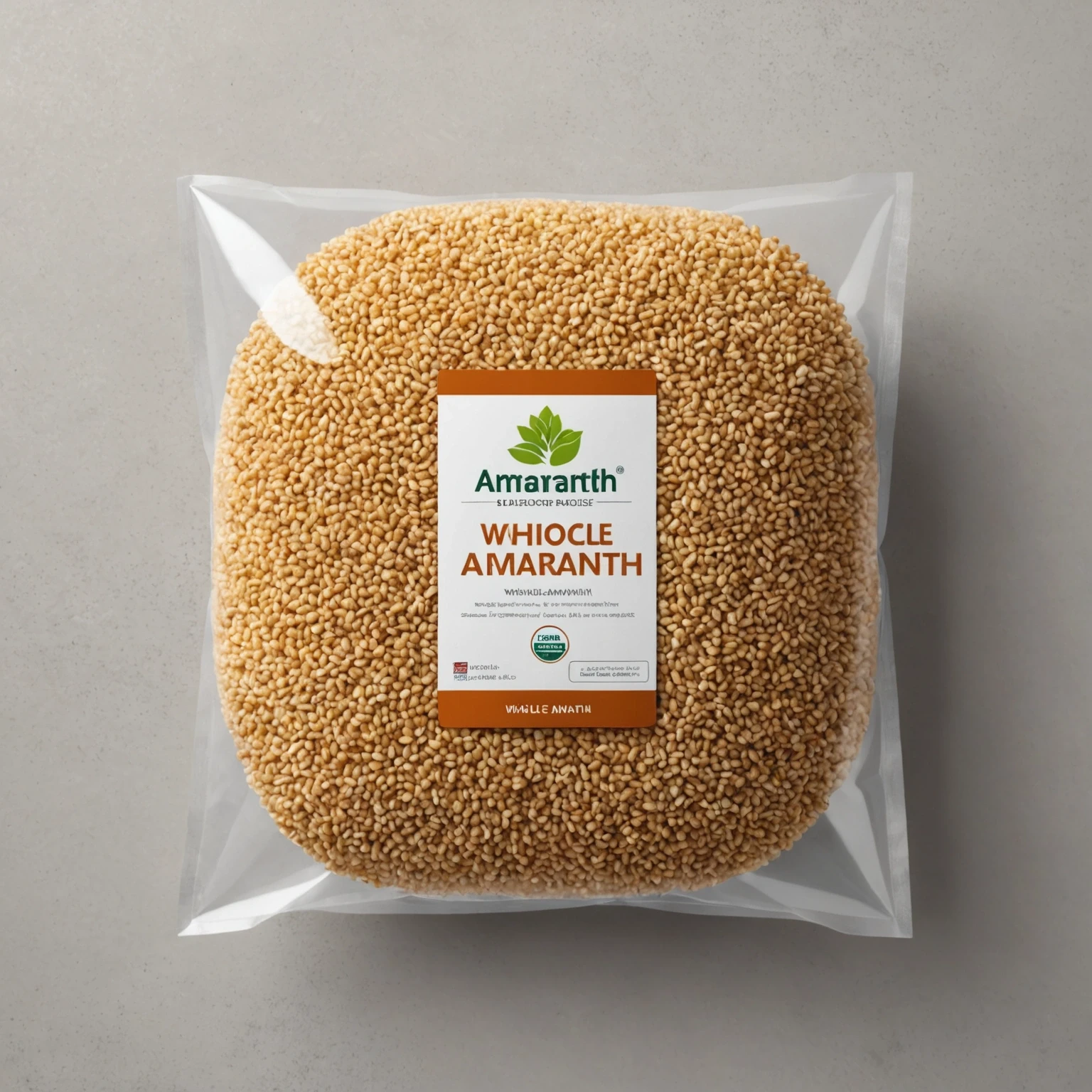
- Whole Grains: Quinoa, amaranth, millet, and barley contribute essential vitamins, iron, and sustained energy.
- Fresh Produce: Fruits and vegetables deliver important vitamins, fiber, and natural flavors that keep meals lively and practical.
Practical Tips for Introducing practical Foods to Toddlers
- Maintain Consistent Mealtime Routines: Predictable meal and snack times with allergy-safe foods help toddlers regulate hunger and reduce mealtime stress.
- Support Self-Feeding: Offer appropriately sized, soft foods to promote motor skill development and encourage independence.
- Be Patient with New Tastes: Toddlers often need repeated exposure to new foods; use positive reinforcement and model enjoyment to foster acceptance.
- Vary Food Choices Regularly: Changing flavors and textures prevents boredom and supports a well-rounded nutrient intake.
Conclusion
Providing practical meals and snacks for toddlers is a safe and practical approach achievable through mindful ingredient selection and mealtime strategies. Focusing on allergy-conscious, nutrient-rich foods with toddler-friendly textures supports their growth, development, and positive eating experiences. Utilize the linked recipes as inspiration to diversify your allergy-safe meal plan and nurture lifelong practical eating habits for your toddler.