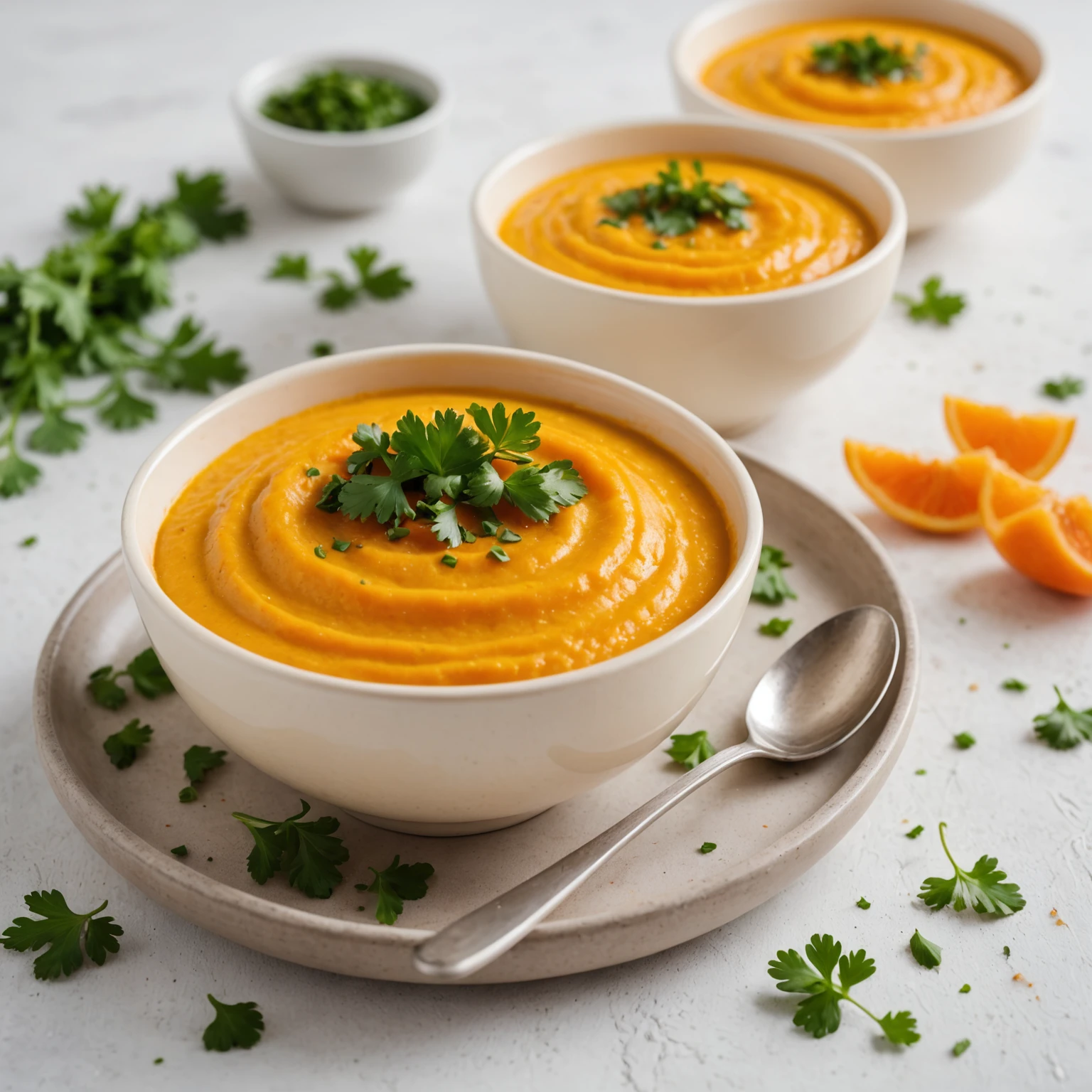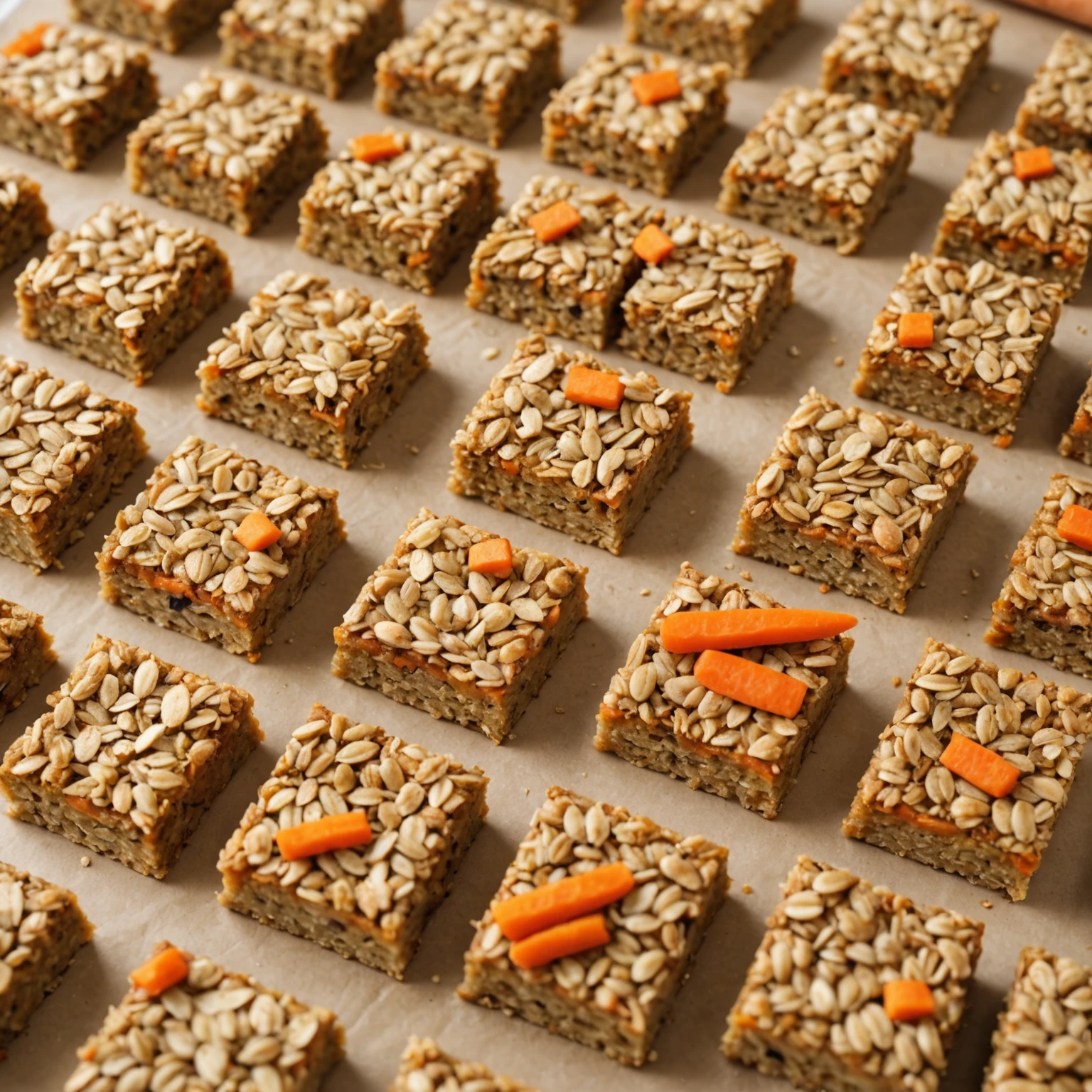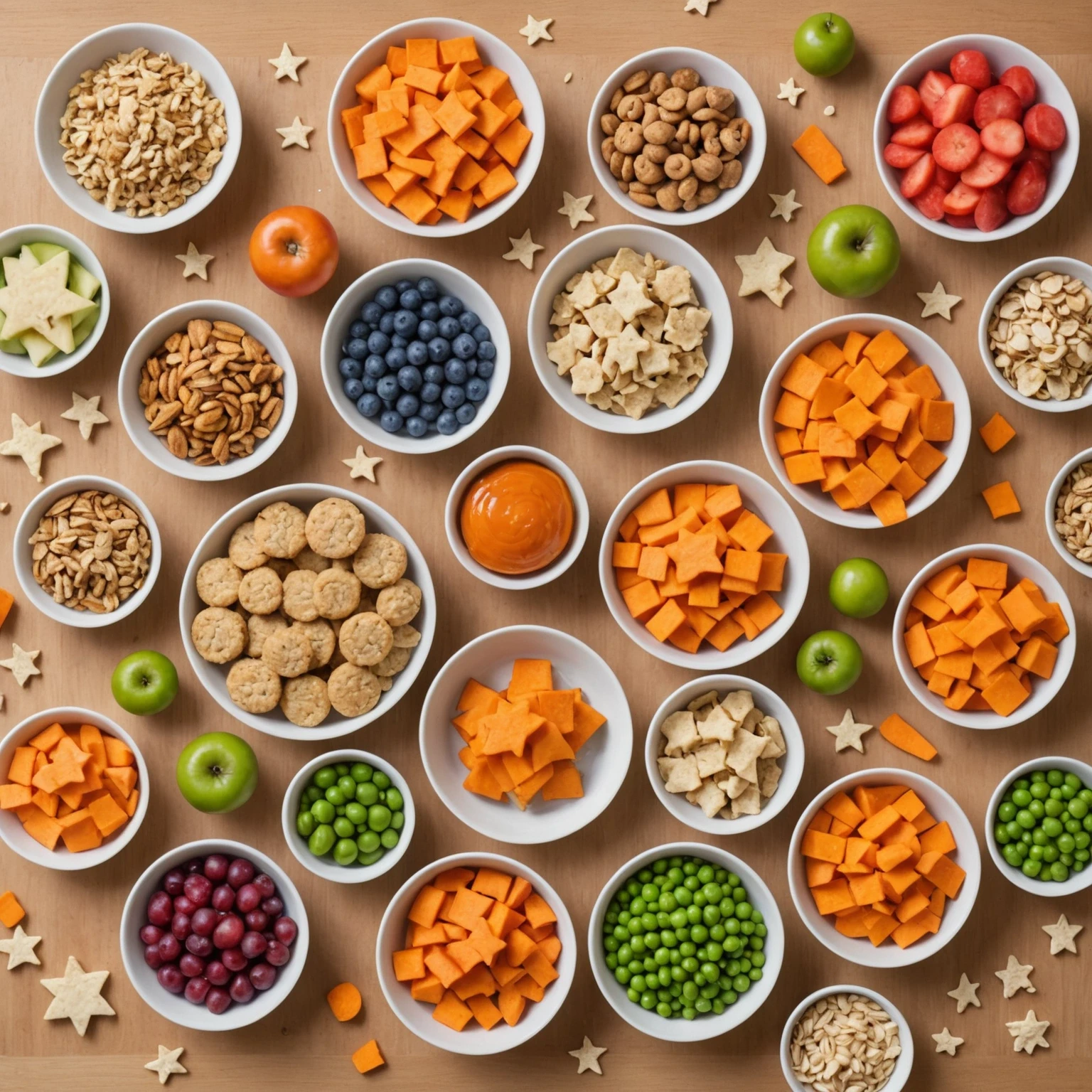
Why Nutrient-Dense Snack Appeal Matters for Toddlers
Toddlers’ food preferences are influenced by more than taste — visual appeal, texture, and presentation play key roles in encouraging them to try and enjoy nutrient-dense snacks. Snack time offers an ideal opportunity to support toddlers’ fine motor development and foster positive self-feeding experiences that promote independence and practical eating habits early on.
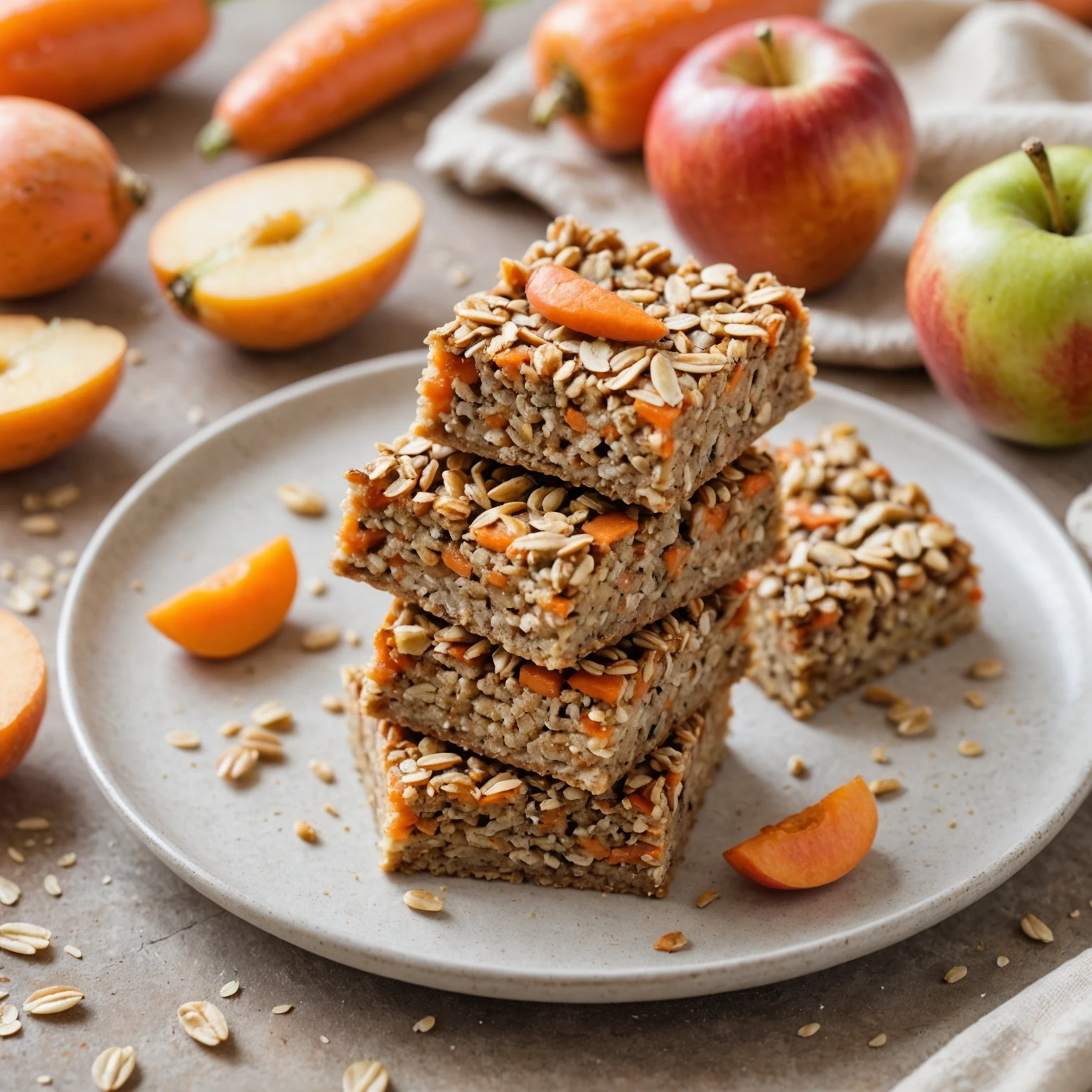
Introducing a Range of Toddler-Safe Textures to Encourage Exploration
Offering snacks with varied textures—such as soft bites, chewy components, or lightly crunchy bits—can increase toddler engagement and sensory development. These textural contrasts invite curious exploration and help toddlers expand their acceptance of practical foods. Ensuring snacks are safe and manageable in texture supports comfortable chewing and swallowing.
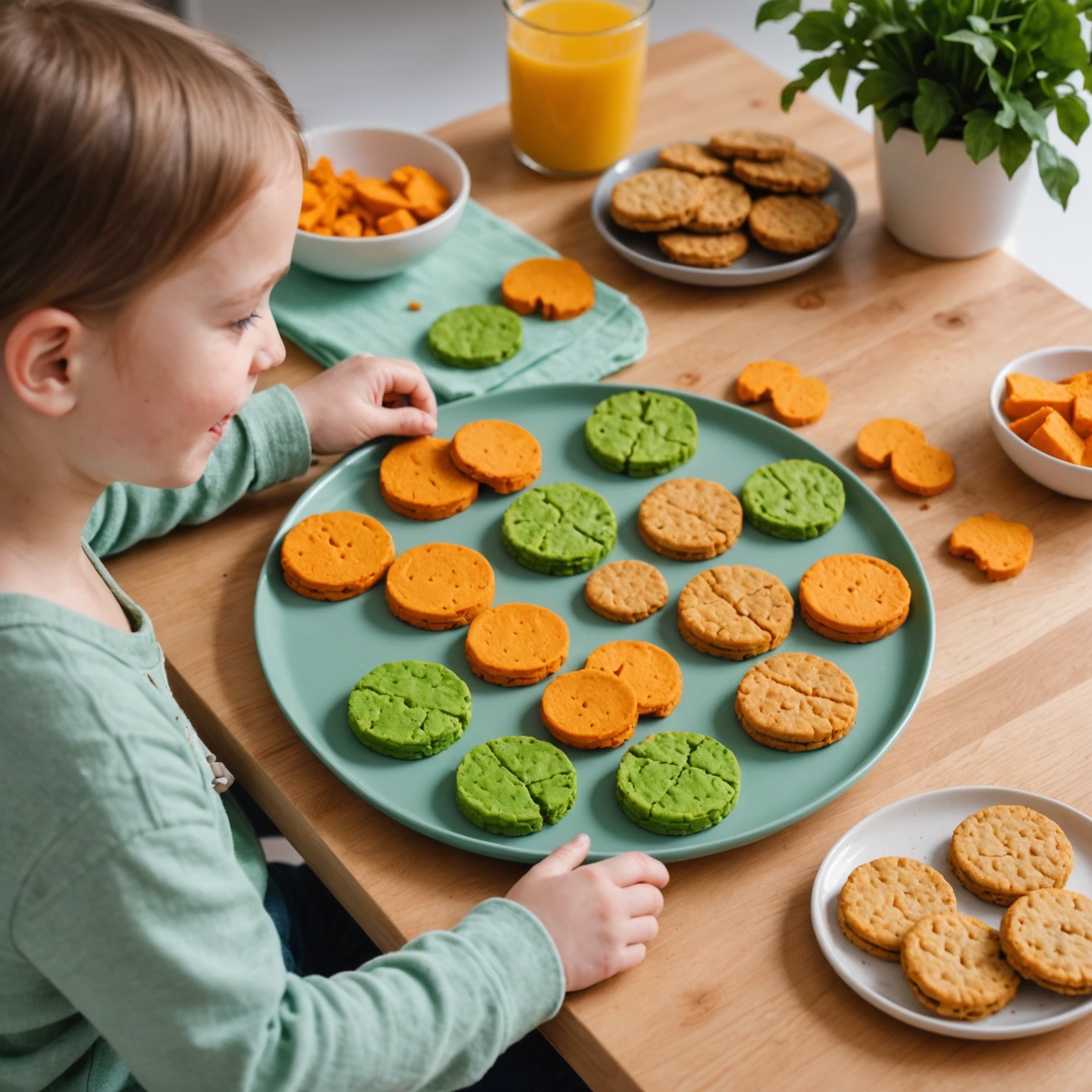
Using Color and Shape to Enhance Snack Presentation
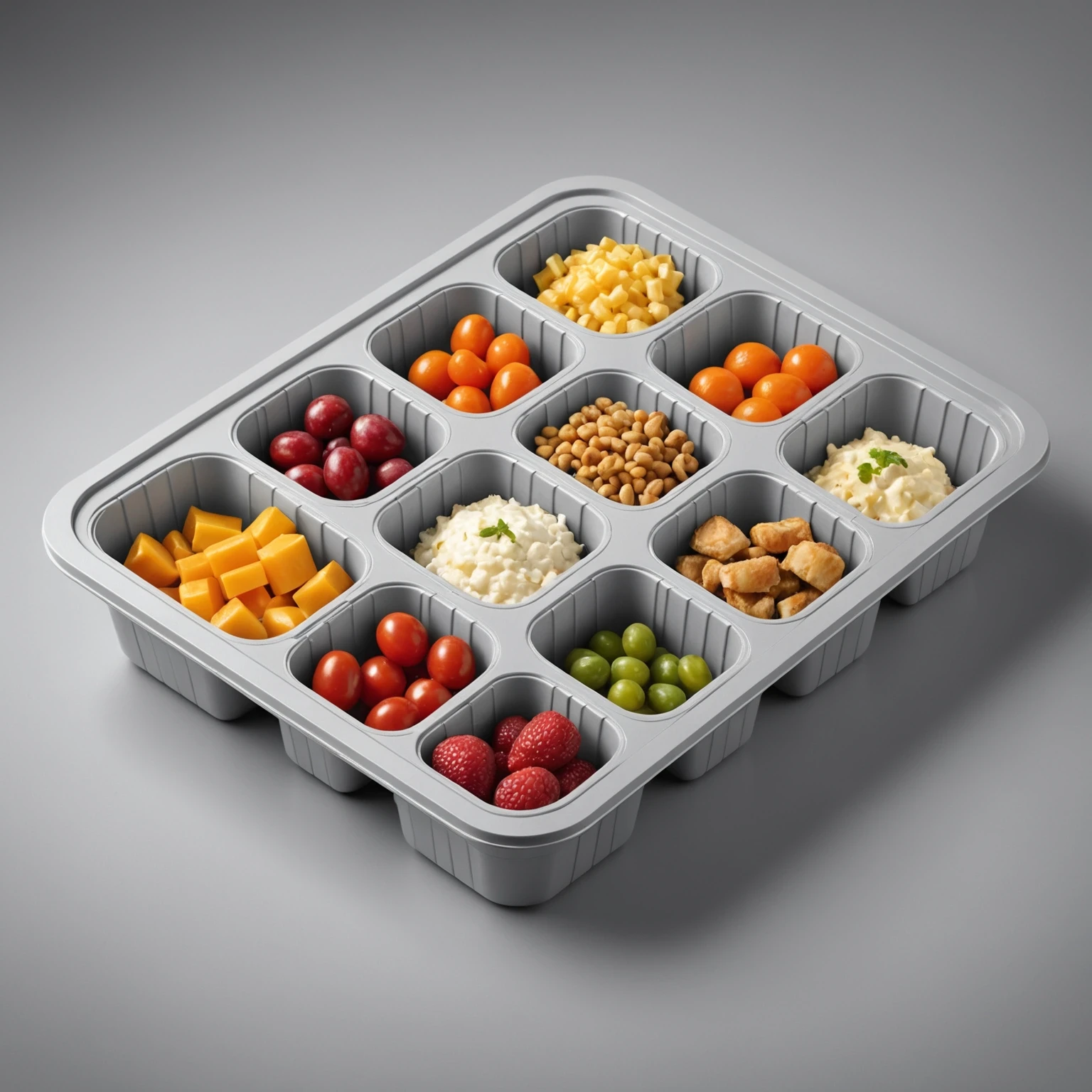
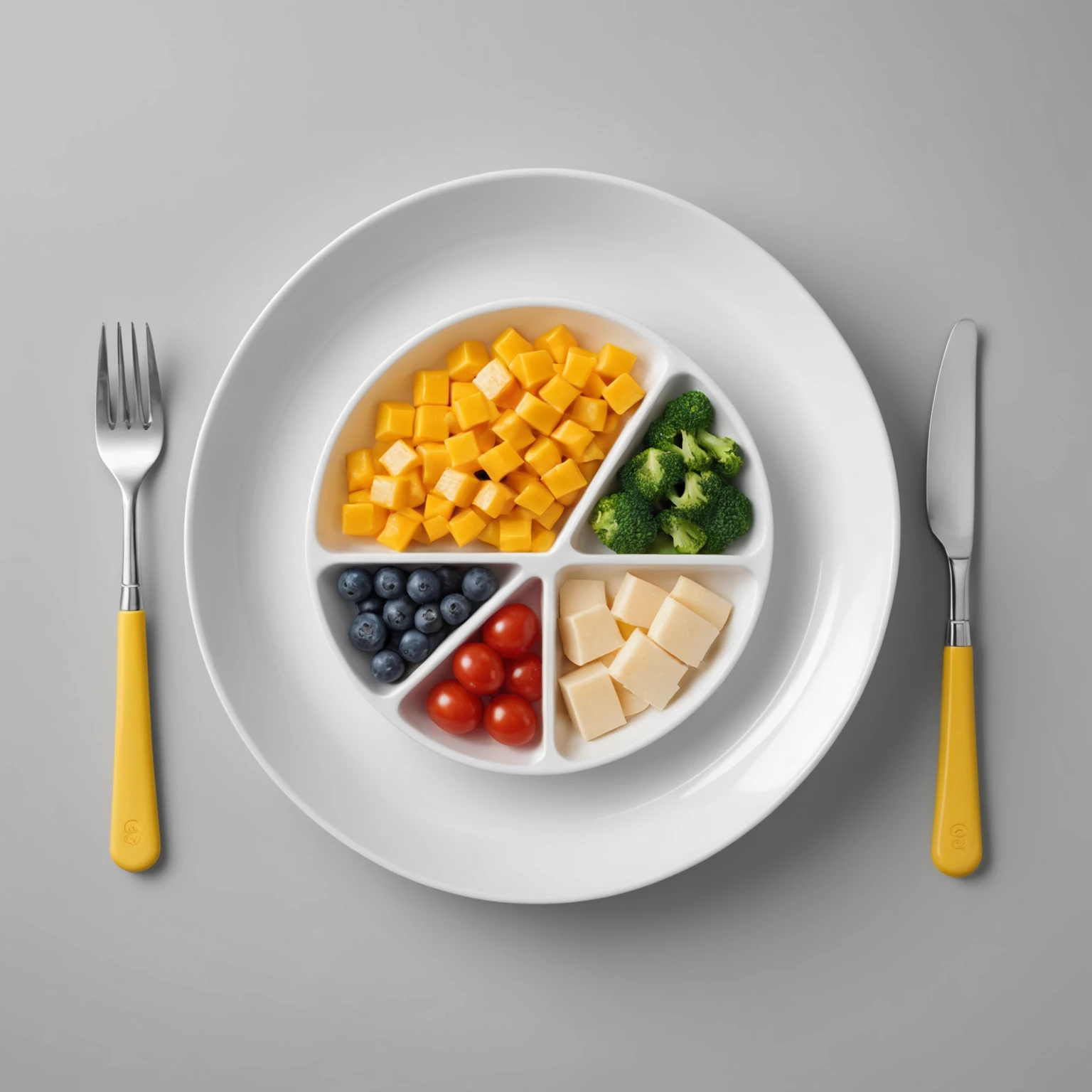
Bright, naturally colorful fruits and vegetables catch toddlers’ attention and stimulate their appetite. Cutting snacks into small, manageable pieces or using cookie cutters to create fun shapes aligns with toddlers’ grasping abilities, making self-feeding easier and more enjoyable. Presenting snacks on colorful, sectioned plates can further engage toddlers visually and keep snack time interactive.
Fostering Toddler Independence with Finger-Friendly Snacks
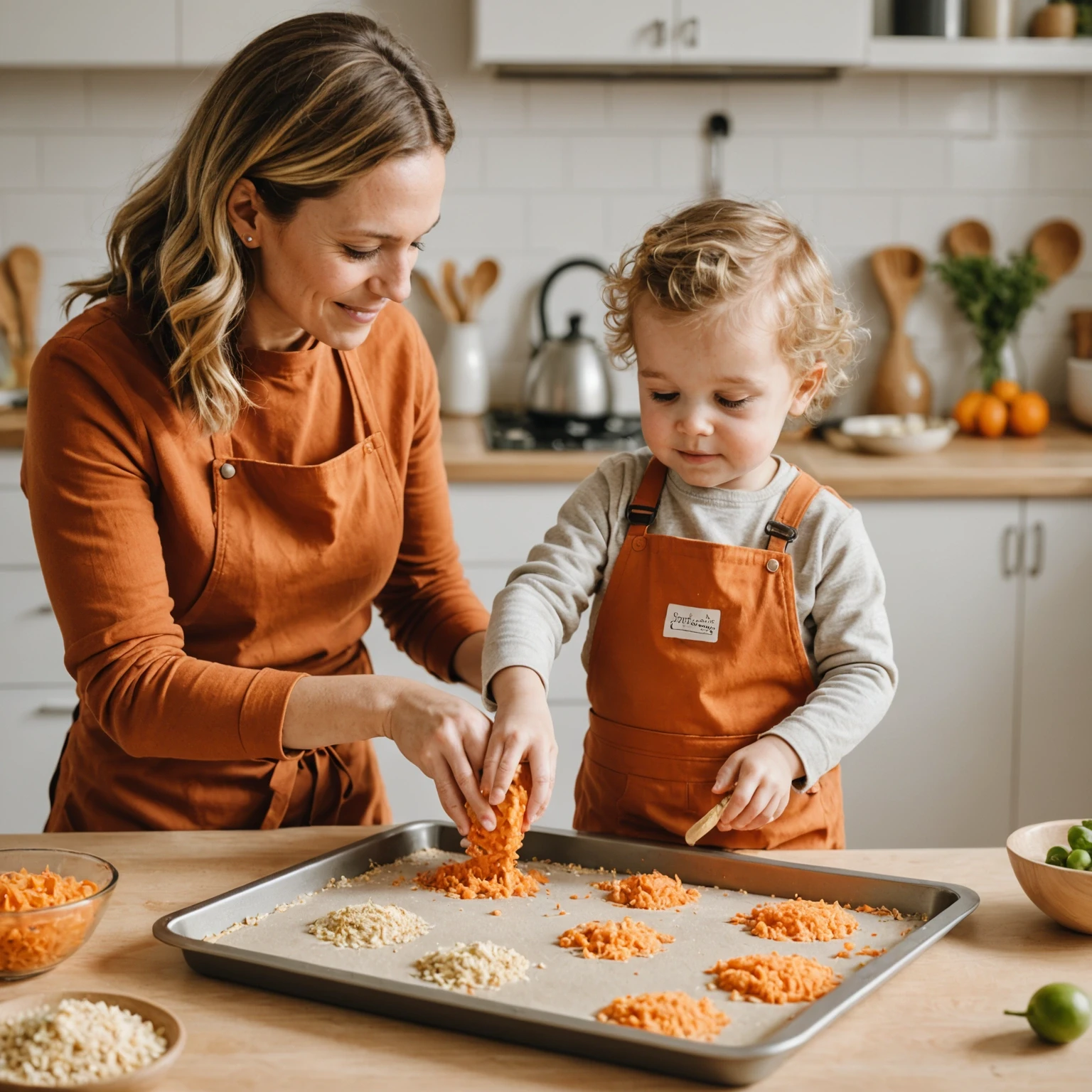
Children develop coordination as they practice feeding themselves. Providing finger foods that are appropriately sized and textured empowers toddlers to feed independently and builds confidence. Avoid snacks that are overly sticky or crumbly to reduce mess and frustration. Offering a variety of snack shapes and textures keeps snack time interesting while accommodating evolving motor skills.
Thoughtful Flavor Combinations to Support Taste Development
Combining mild, complementary flavors allows toddlers to experience new tastes without overwhelming their palate. Subtly sweet ingredients like carrot and apple blend well with gentle savory notes, creating balanced snacks that remain practical and low in added salt or sugar, reinforcing practical taste preferences.
Practical Snack Preparation and Serving Tips for Parents
- Prepare a variety of nutrient-rich snacks in advance, placing them within toddlers’ reach to encourage choice and autonomy.
- Rotate snack types regularly to maintain interest and ensure nutritional diversity.
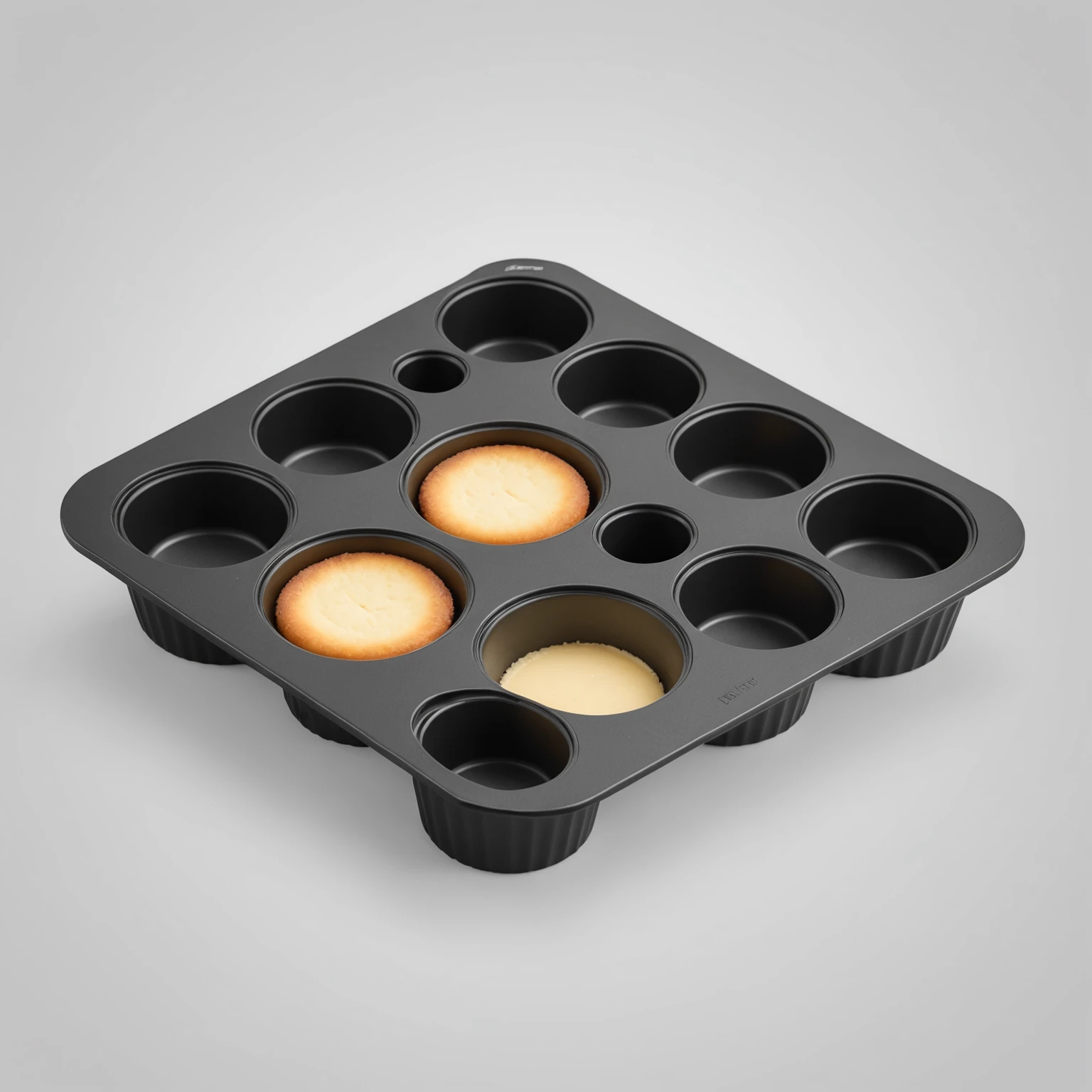
- Utilize tools like cookie cutters and silicone molds to create exciting shapes and textures that invite exploration.
- Involve toddlers in simple snack preparation steps to deepen their engagement and ownership of practical eating.
Supporting Lifelong practical Eating through Snack Habits
By focusing on appealing textures, colors, and finger-friendly sizes, parents can nurture toddlers’ growth, fine motor skills, and positive attitudes toward practical foods. Sensory-rich, balanced snacks lay a strong foundation for developing well-rounded, practical eating habits that last a lifetime.
For ideas on well-textured, nutrient-packed snacks that support little hands and developing palates, explore our Mini Carrot and Apple Oat Bars and Savory Sweet Potato and Pea Toddler Biscuits.