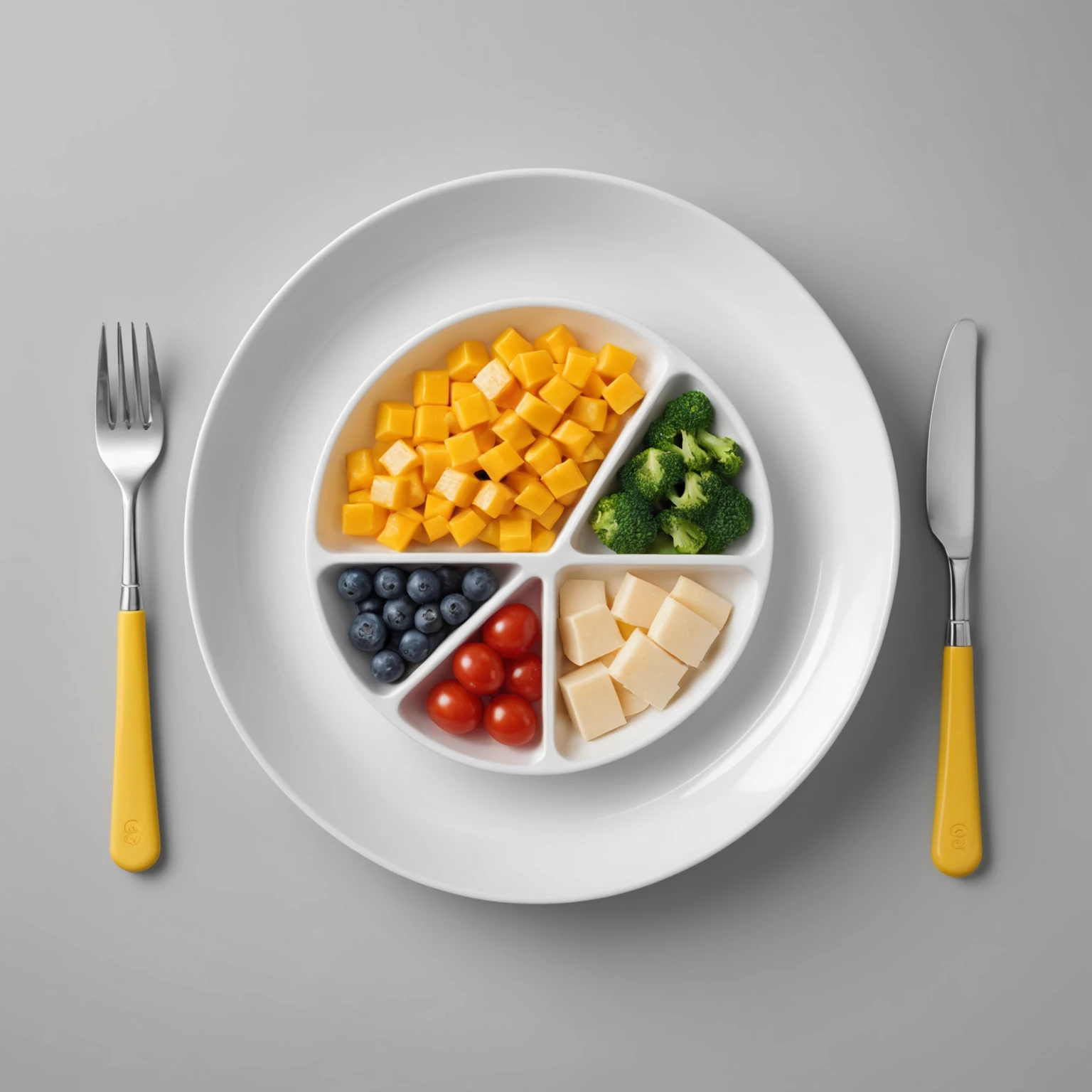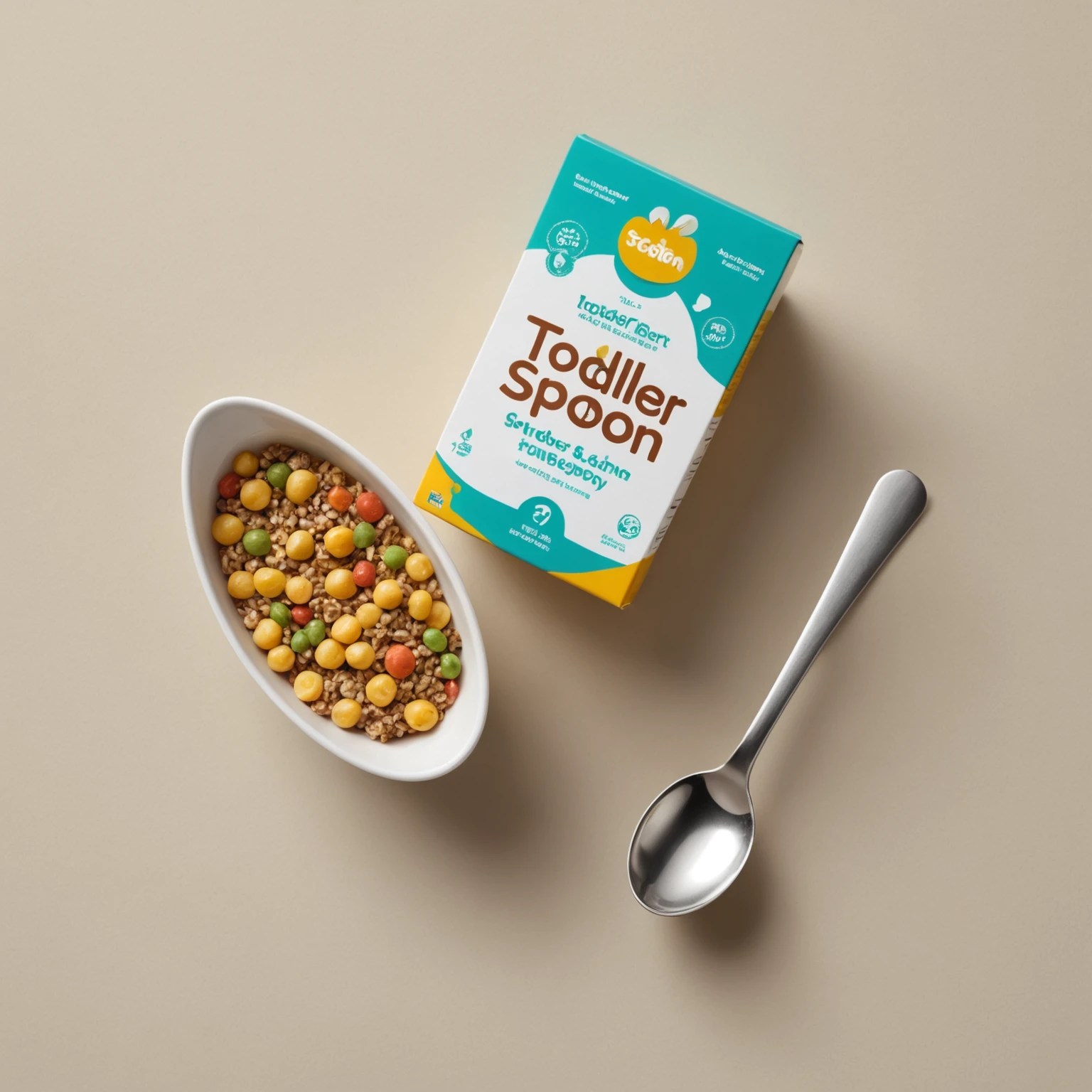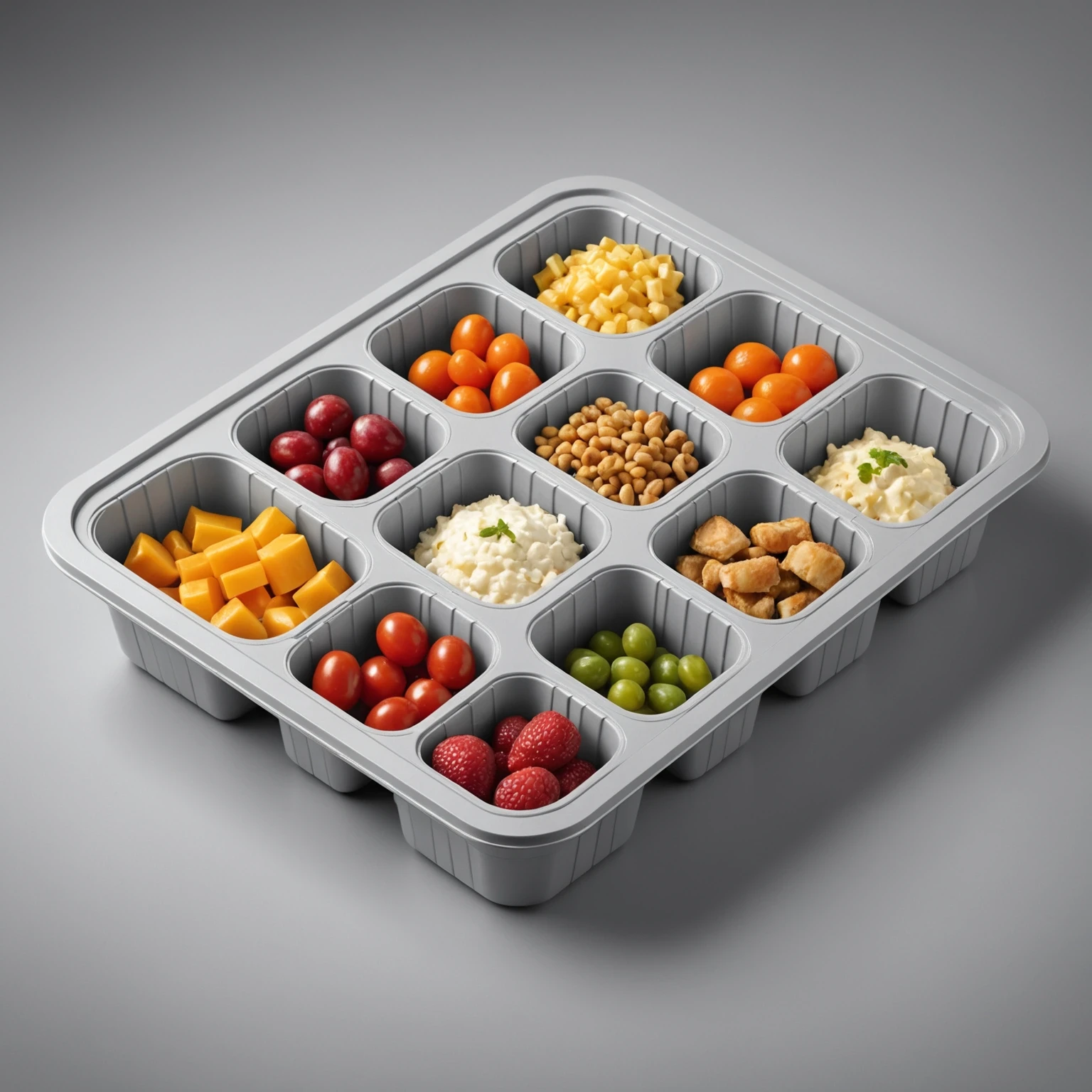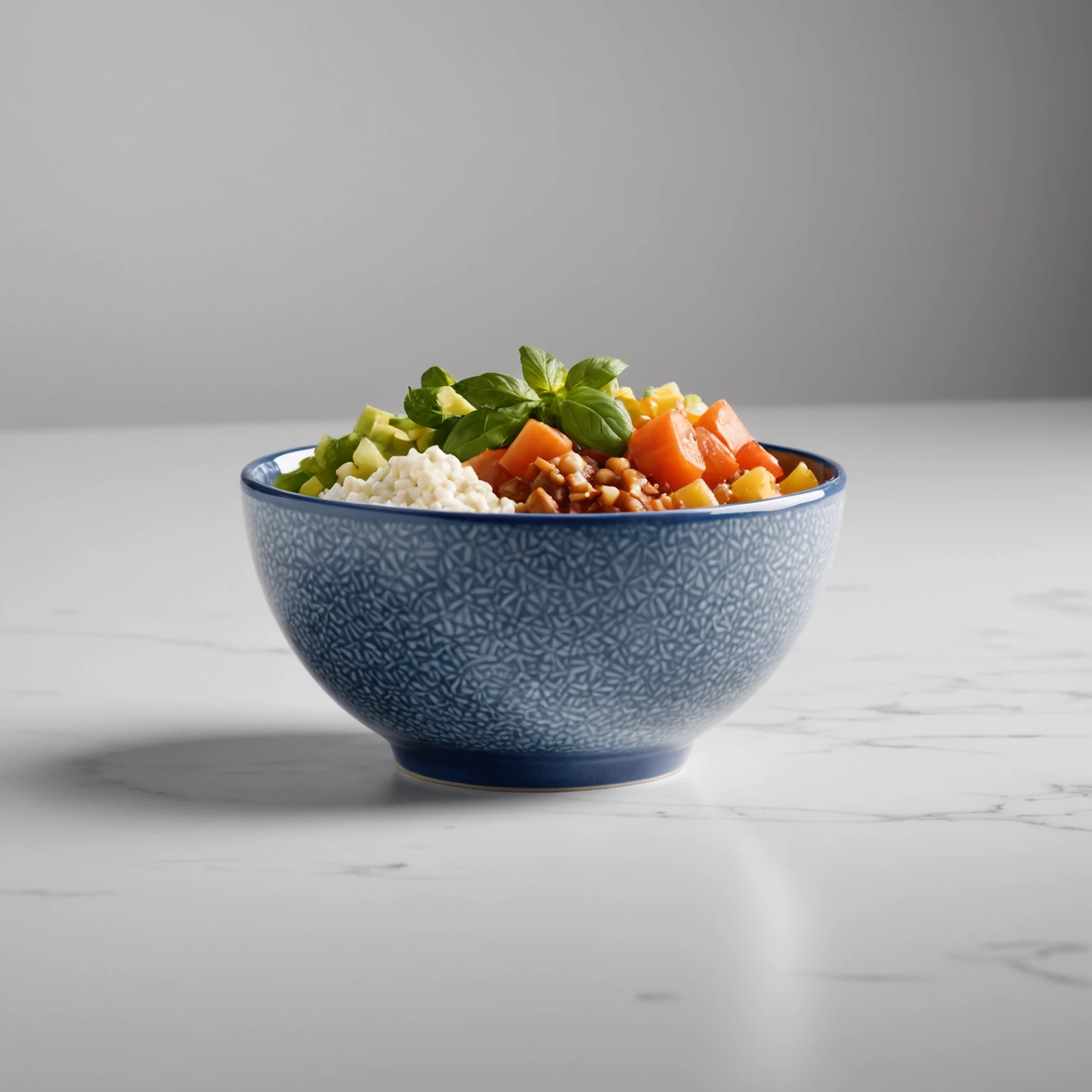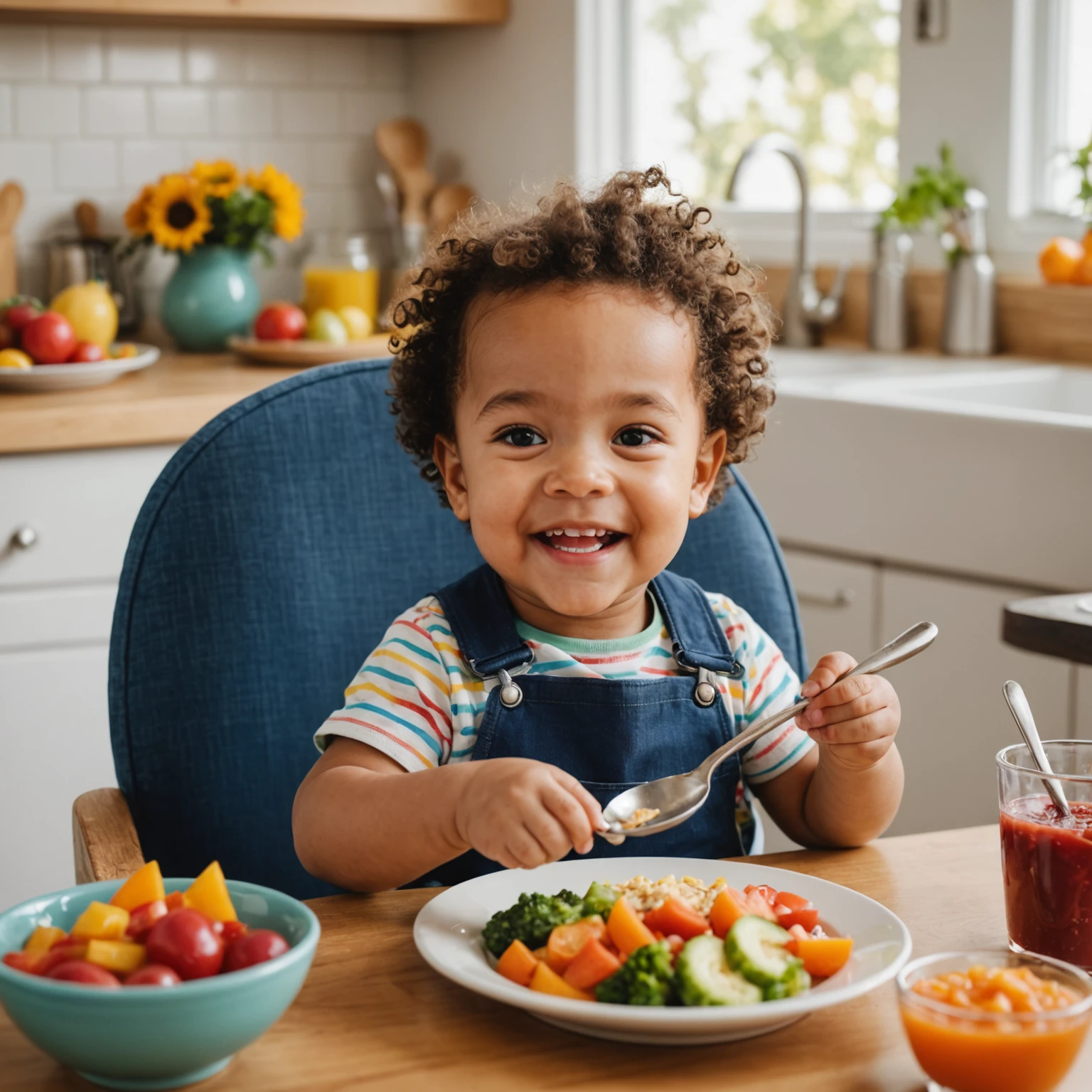
Mealtimes are key opportunities for toddlers to develop independence, fine motor skills, and positive attitudes toward food. Supporting your toddler’s ability to self-feed and participate in meal preparation not only fosters confidence but also helps reduce mealtime conflicts and encourages practical eating habits.
Why Encouraging Toddler Independence at Mealtime Matters
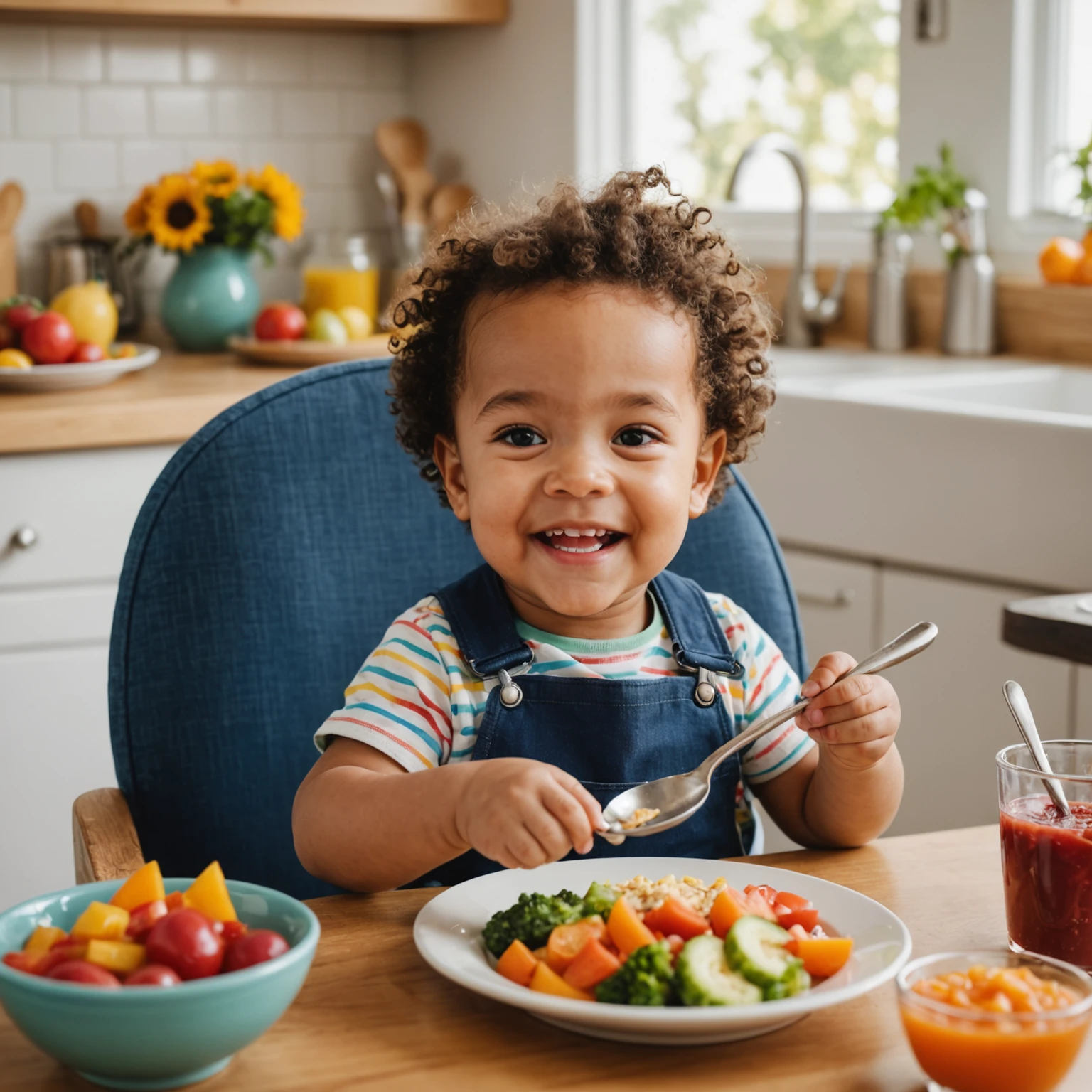
Promoting independence empowers toddlers to build fine motor skills, enhances their awareness of hunger and fullness cues, and supports practical eating regulation. Self-feeding is foundational for social skills development, patience, coordination, and decision-making, setting the stage for lifelong positive eating behaviors.
Ensuring Safety When Promoting Toddler Self-Feeding
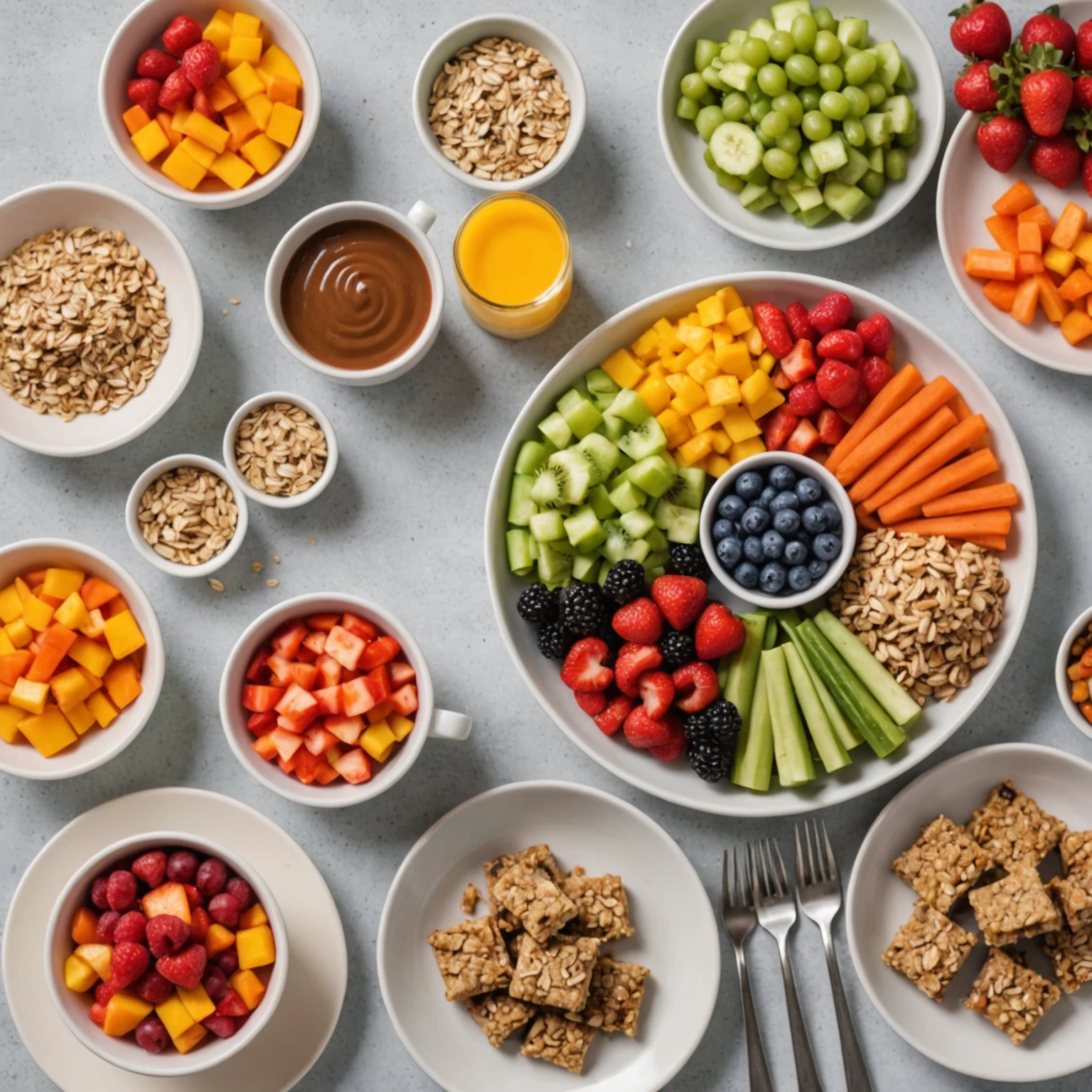
Safety is crucial as toddlers explore self-feeding. Consider the following best practices:
- Select appropriate foods: Offer soft, easy-to-chew items like cooked vegetables and small fruit pieces. Avoid choking hazards such as whole nuts, hard raw veggies, and sticky foods for children under three years.
- Use child-friendly utensils: Provide lightweight, easy-grip spoons and forks to encourage practice and minimize frustration.
- Maintain close supervision: Always stay near during mealtime to ensure safe exploration and intervene if necessary.
Engaging Toddlers in Simple Food Preparation
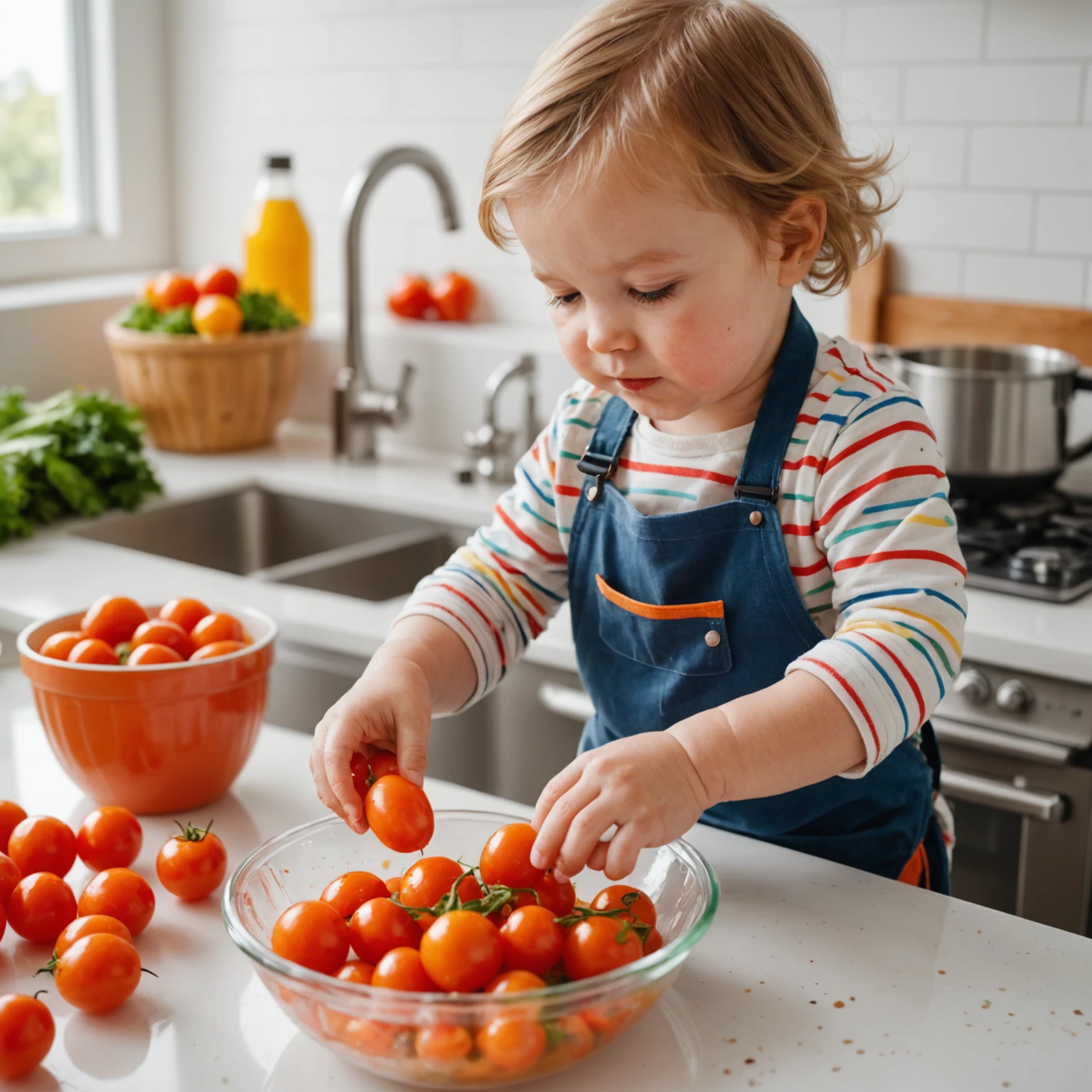
Including toddlers in age-appropriate food tasks boosts their interest and pride in practical eating. Safe activities include:
- Washing fruits and vegetables
- Stirring ingredients
- Making simple choices between practical options
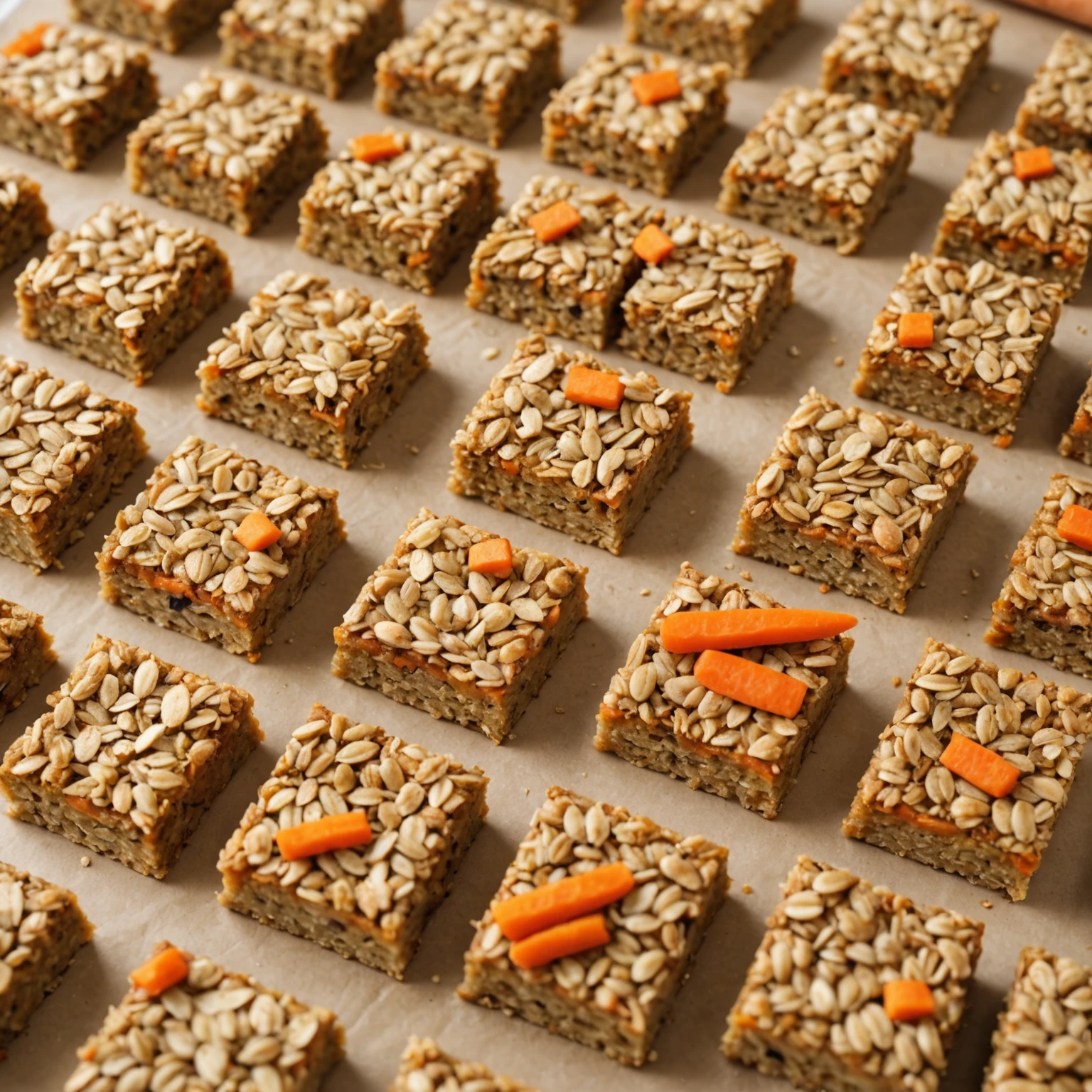
Participation often reduces picky eating behaviors. For example, toddlers can help prepare snacks like Mini Carrot and Apple Oat Bars, which are easy to handle.
Creating a Supportive and Consistent Mealtime Environment
- Establish a calm routine: Regular mealtimes help toddlers feel secure and focused.
- Minimize distractions: Turn off screens and remove toys to encourage attention to food.
- Model positive eating behaviors: Eat together and show enthusiasm for a variety of foods.
- Respect toddler autonomy: Encourage tasting new foods gently without pressure.
Handling Picky Eating While Supporting Independence
Toddlers may assert independence by refusing certain foods. Manage this by:
- Offering multiple practical choices and allowing your child to decide what and how much to eat.
- Pairing familiar favorites with new foods to increase acceptance.
- Praising efforts over specific food consumption.
- Persistently and patiently offering less-preferred foods to promote acceptance through repeated exposure.
Additional Tips to Boost Toddler Self-Feeding Skills
- Serve small portions or finger foods that are easy to pick up.
- Use toddler-sized plates, bowls, cups, and utensils for better handling.
- Choose bright, engaging utensils and dishware to make meals appealing.
- Introduce interactive foods such as Savory Spinach and Sweet Corn Mini Muffins to practice self-feeding in a fun way.
Conclusion
Building independence during toddler mealtimes is a patient, gradual process that prioritizes safety and positive reinforcement. By fostering a nurturing environment, involving toddlers in meal prep, and encouraging safe self-feeding, parents can raise confident eaters with practical relationships to food—reducing mealtime stress and supporting lifelong nutrition success.
Combining these strategies with toddler-friendly recipes strengthens family mealtime experiences and promotes independent, happy eating habits.