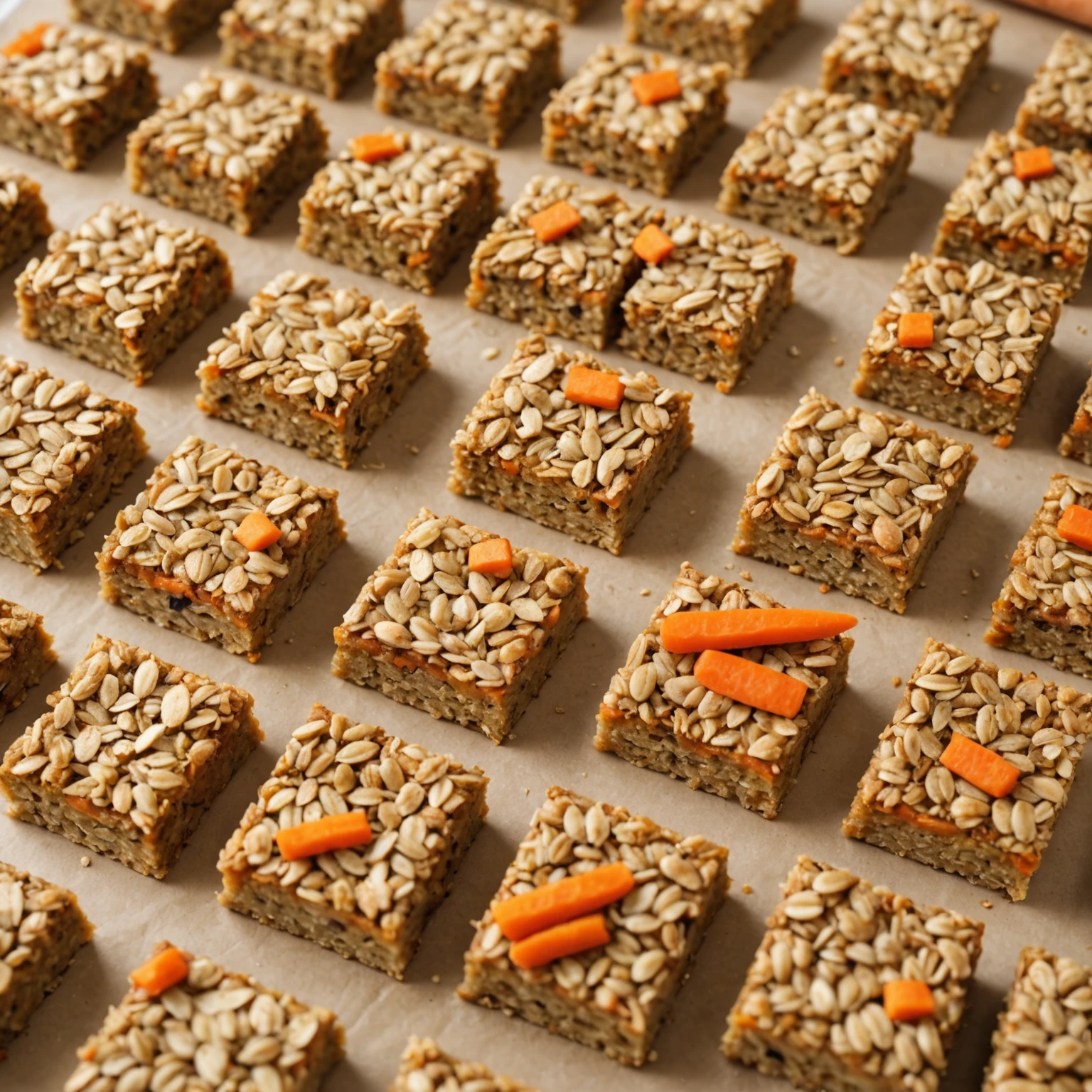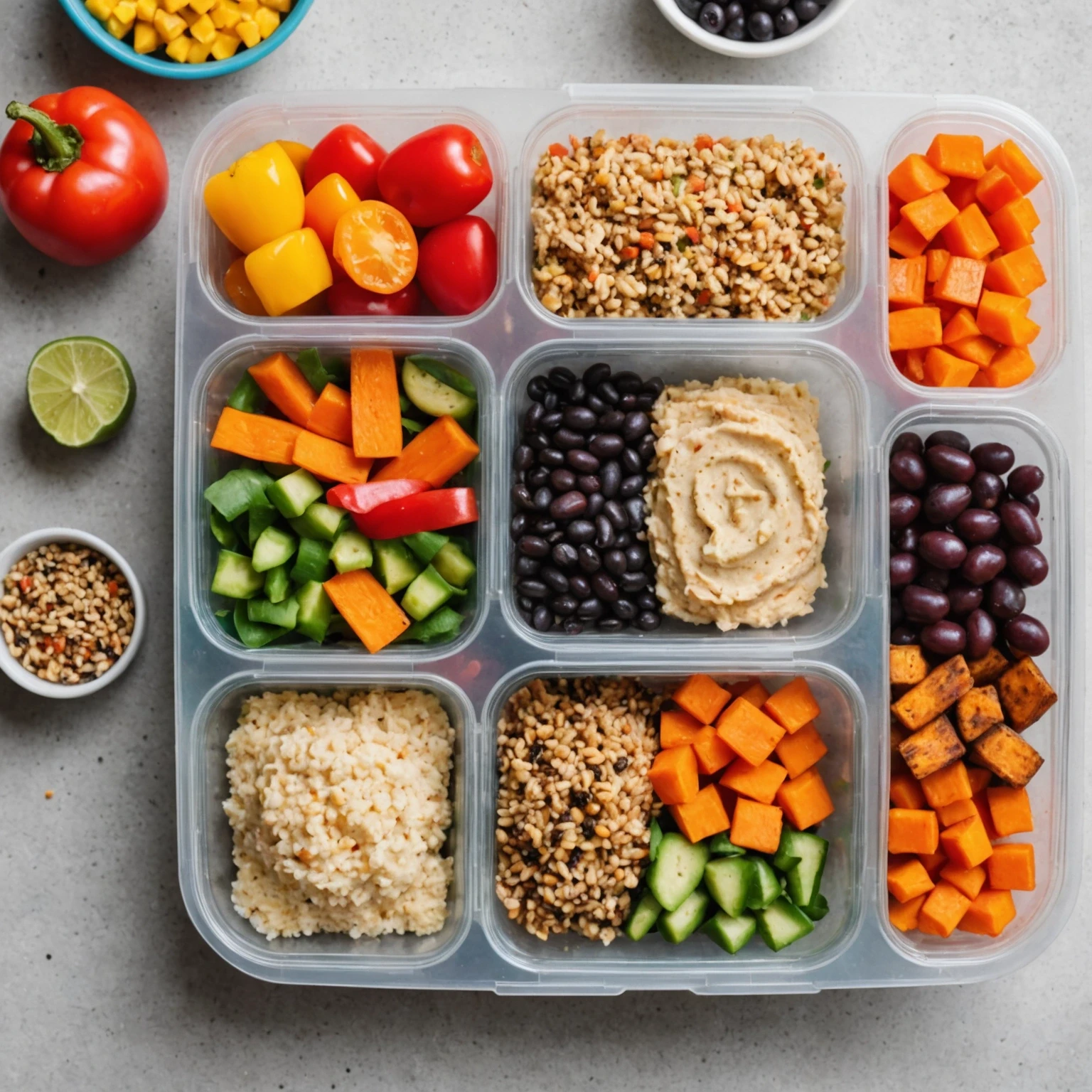
Packing lunchboxes that are both practical and appealing for toddlers can be a rewarding but sometimes challenging task for caregivers. Emphasizing whole grains and vegetables delivers vital nutrients—including complex carbohydrates, fiber, essential vitamins, and minerals—that support practical toddler development. The following practical strategies can help you consistently prepare balanced, appealing lunches that toddlers enjoy eating.
The Importance of Whole Grains and Vegetables in Toddler Lunches
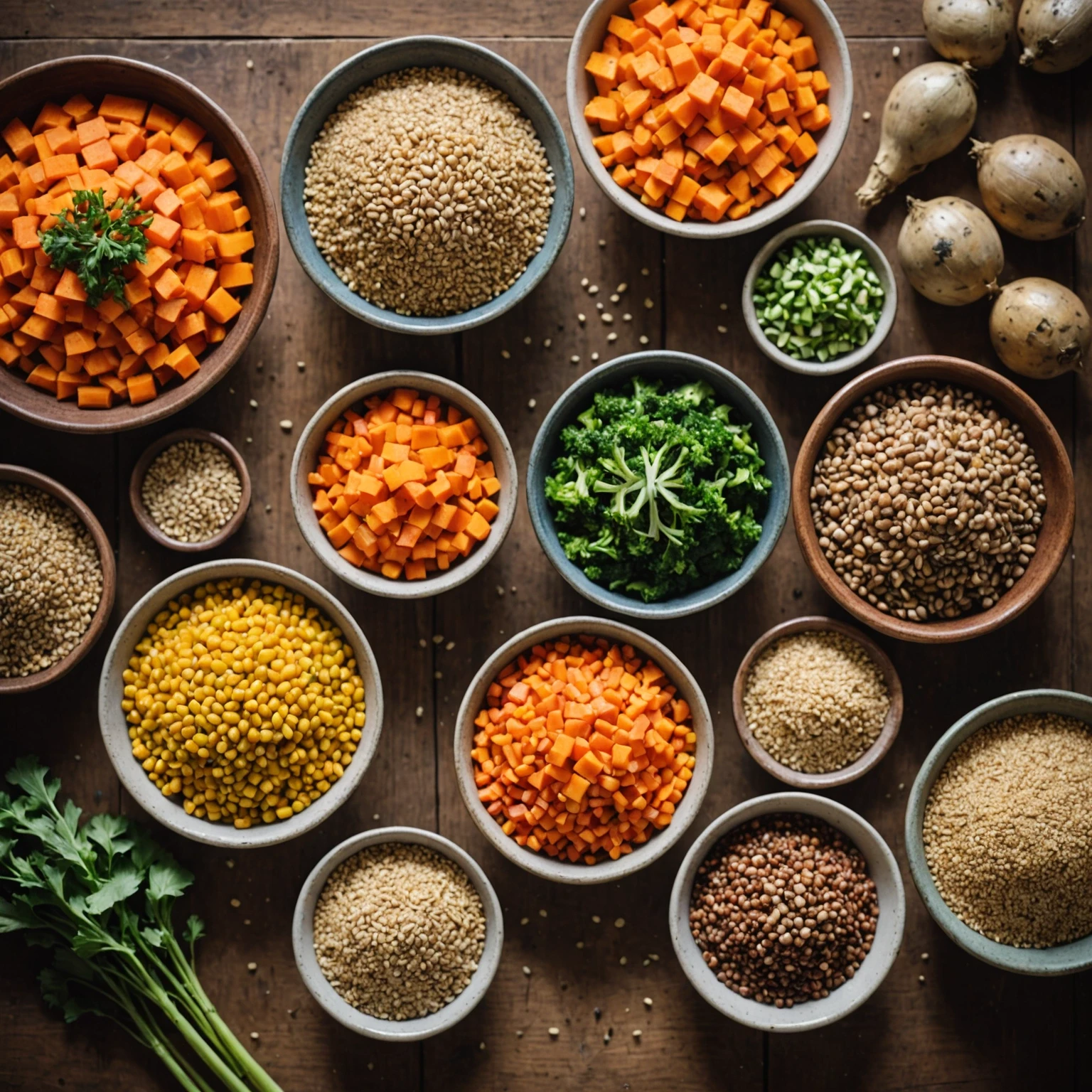
Whole grains such as quinoa, barley, and millet provide sustained energy through complex carbohydrates as well as micronutrients like B vitamins and iron that promote growth and brain development. Vegetables contribute important vitamins A and C, fiber for digestive health, and antioxidants that support the immune system. Together, these food groups build a nutrient-dense foundation fostering practical eating patterns early in life.
Balancing Portion Sizes for Toddler Needs
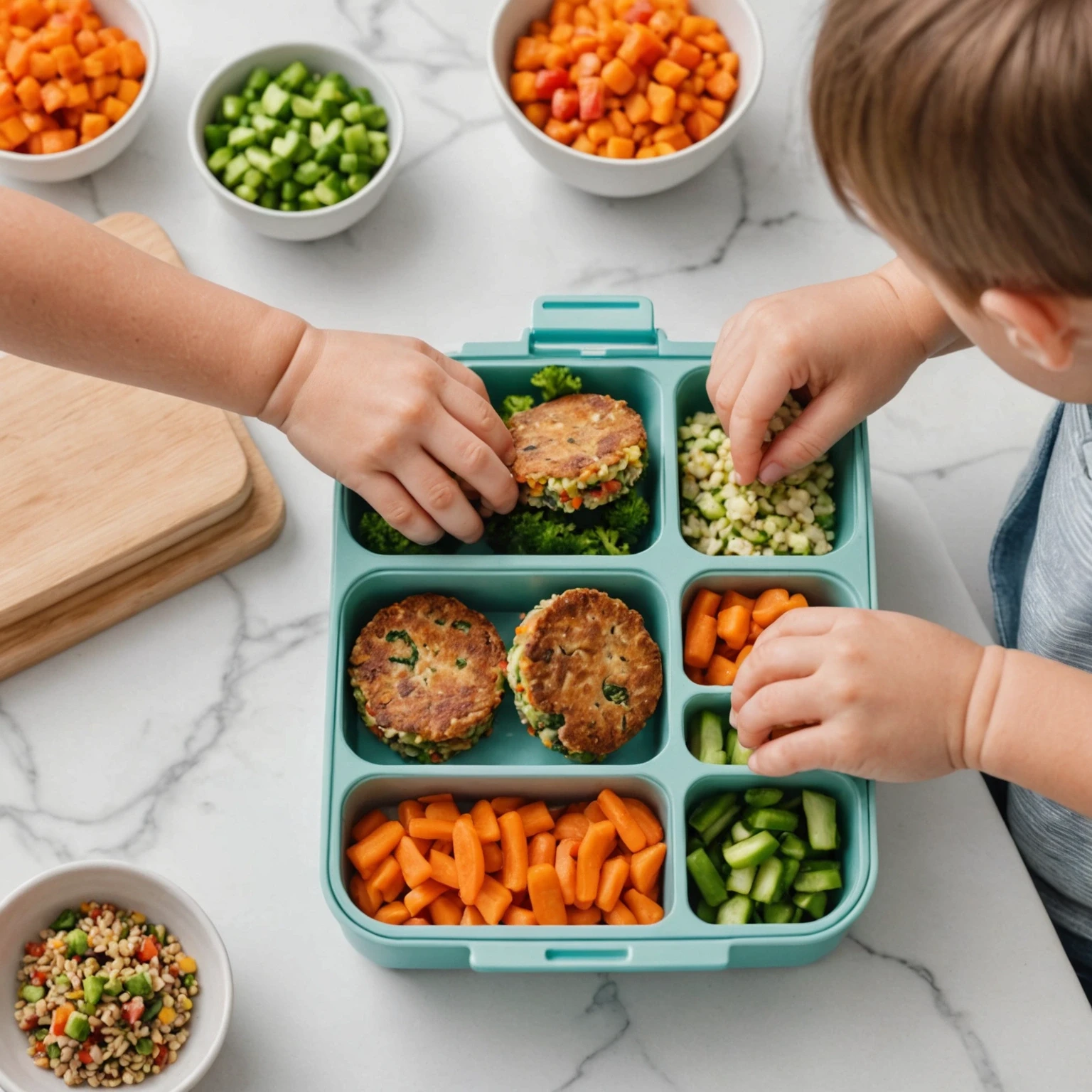
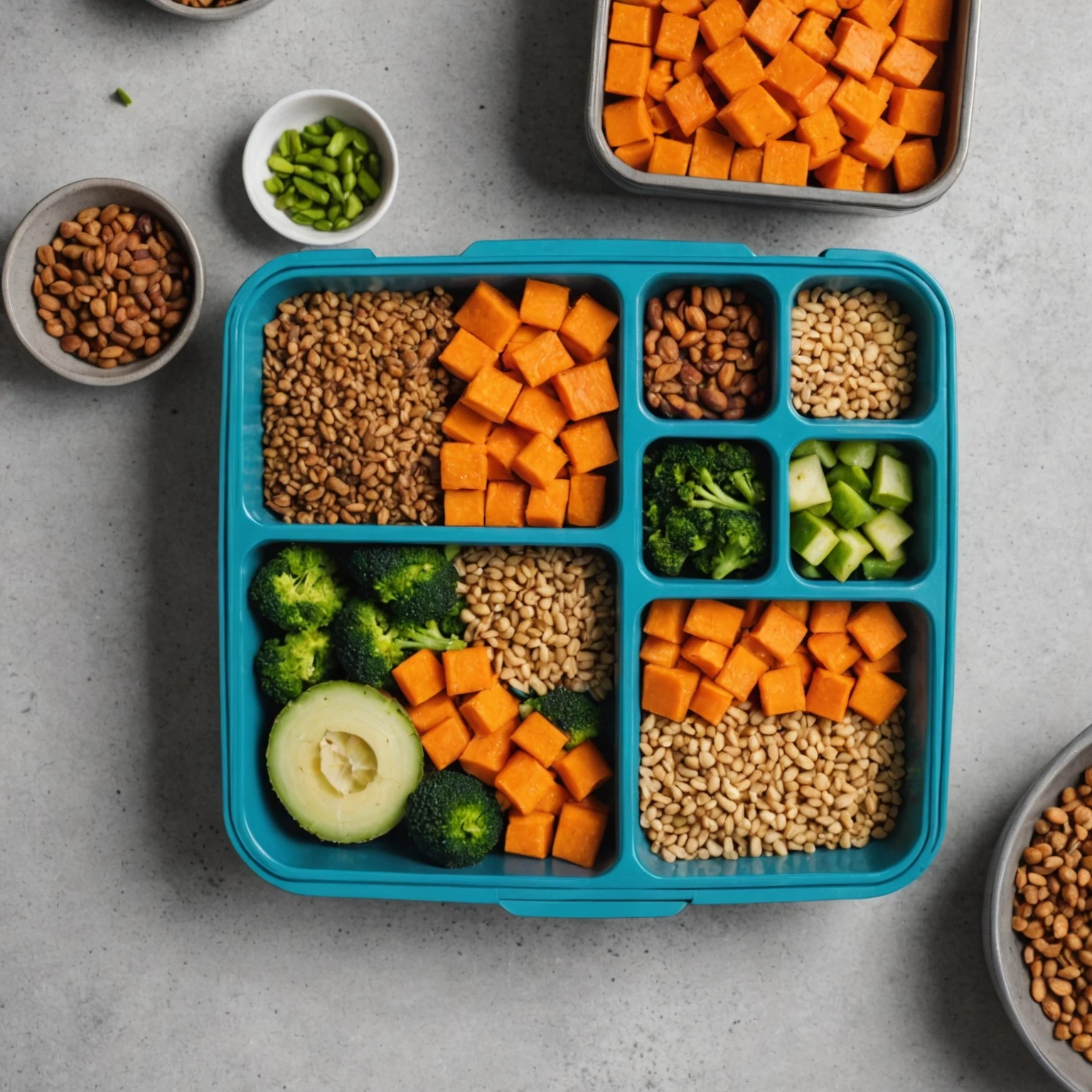
Toddlers have smaller appetites but require nutrient variety. Aim to fill about half the lunchbox with a colorful mix of vegetables, one-third with whole grains or grain-based foods, and the remaining space with a source of protein or fats. This balance helps ensure satiety and meets dietary needs without overwhelming young eaters.
Encouraging Exploration Through Texture Variety
Introducing a range of textures—from soft grains to tender vegetables and finger-friendly bites—encourages oral motor development and keeps mealtime interesting. Options like vegetable casseroles, stews, baked loaves, and stuffed pockets combine flavors and textures that toddlers can easily handle and enjoy.
Enhancing Toddler Lunchbox Flavors Mindfully
Using mild herbs and subtle spices can elevate flavors without overpowering sensitive palates. Naturally sweet vegetables such as sweet potatoes, carrots, and butternut squash pair well with whole grains to create appealing taste combinations. Adding a touch of citrus zest or gentle herb blends can make vegetables more enticing to little ones.
practical Alternatives and Considerations
Most whole grains and vegetables are naturally free from common allergens. For allergy-conscious meals, opt for gluten-free grains like millet or quinoa. Avoid nuts and dairy by incorporating legumes, seeds, or plant-based substitutes to keep lunches both safe and practical for sensitive toddlers.
Time-Saving Tips for Efficient Lunchbox Preparation
Batch cooking and meal prepping save valuable time during busy days. Prepare one-pot dishes, baked vegetable loaves, or grain salads in advance and portion them for lunchboxes. Keeping ingredient lists simple and focusing on versatile meals helps streamline packing without sacrificing variety or nutrition.
Toddler-Friendly Meal Inspirations Featuring Whole Grains and Vegetables
To inspire your lunches, explore these practical options that align with the principles outlined:
- The Winter Veggie and Barley Toddler Stew combines seasonal vegetables with practical barley—a comforting, wholesome meal perfect for colder days.
- The International Rustic Vegetable Bake offers a warm casserole blending vegetables, lentils, and grains providing fiber and protein.
- Stuffed Mini Bell Peppers with Quinoa and Black Beans make great finger foods packed with fiber and plant-based protein.
- For a fresh, portable choice, try the practical Lentil and Quinoa Salad with Roasted Sweet Potato.
Promoting Variety and Mealtime Engagement
Incorporate seasonal vegetables regularly to expose toddlers to diverse tastes and vital nutrients. Rotate different whole grain types to keep meals interesting. Involving toddlers in selecting or assembling their lunch components can boost enthusiasm and support positive eating experiences.
Practical Tips for Mealtime Success
- Use compartmentalized lunchboxes to maintain distinct textures and preserve freshness.
- Include small servings of mild, nutrient-rich dips like hummus to enhance flavor and nutrient intake.
- Monitor perishable foods carefully to ensure safe storage and consumption.
- Introduce new vegetables gradually to encourage acceptance and develop taste preferences.
Focusing on whole grain and vegetable-based lunches that are adaptable, flavorful, and nutritionally balanced will help you confidently support your toddler’s growth while making mealtime an enjoyable and stress-free part of the day.